The Elizabethan Garden
Bordered by the unruly and abundant germander, our Elizabethan Garden isn't about any single play—it's about daily life in Shakespeare's England. These are the plants people used every day: for medicine, for mattress stuffing, for keeping fleas away, for making cheese, for dyeing cloth.
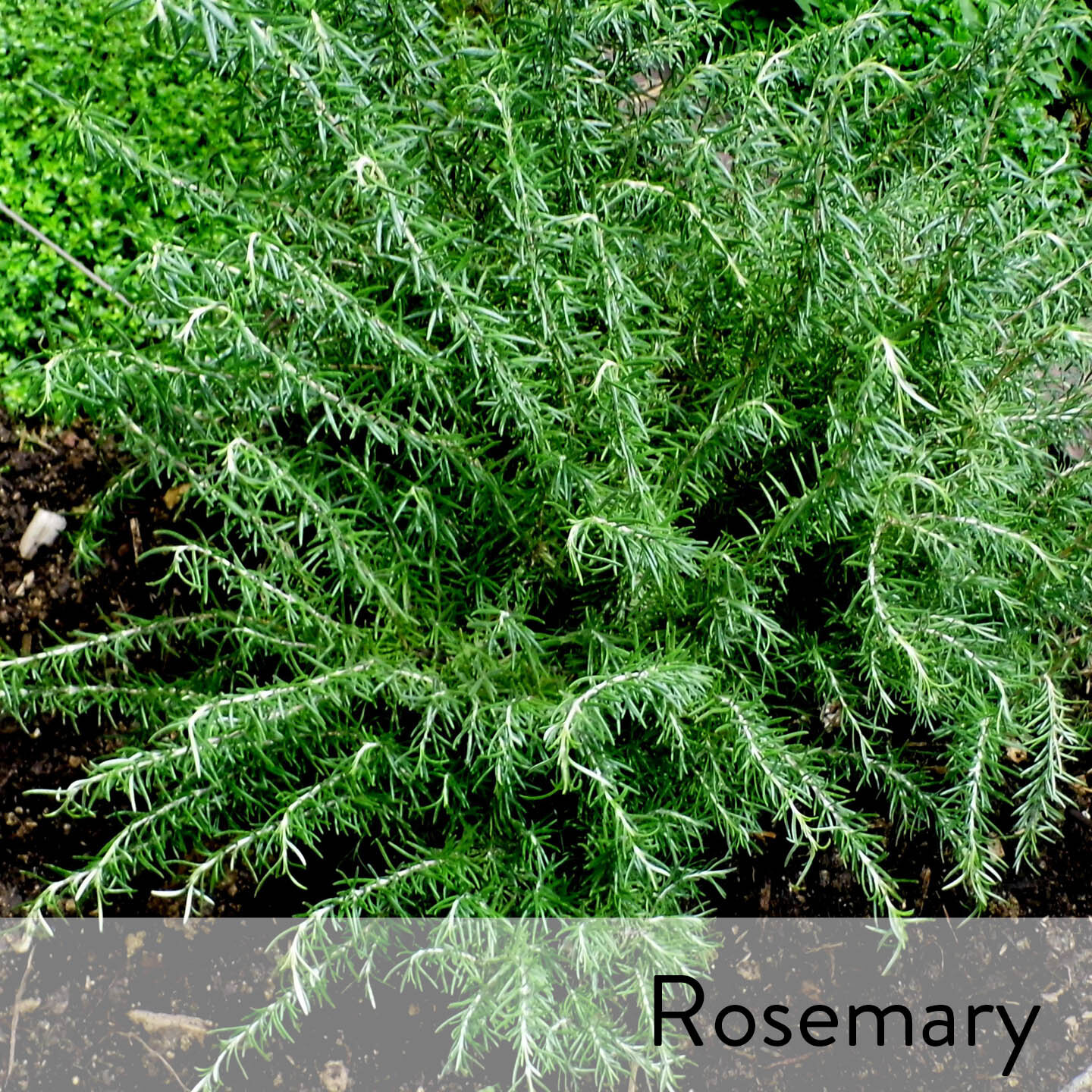
Rosemary is the star here. Ophelia in Hamlet says "Rosemary, that's for remembrance"—and actors at the Colorado Shakespeare Festival sometimes pluck a sprig before performances to help them remember their lines. In Shakespeare's time, rosemary appeared at weddings (for fidelity), at funerals (for remembrance), and in kitchens (for flavor).
Chamomile grows as groundcover—the "apple of the earth," they called it, for its sweet scent. It was planted in garden paths so people would step on it and release the fragrance. Falstaff uses it as a metaphor in Henry IV, Part 1:
the chamomile, the more it is trodden on
the faster it grows, yet youth, the more it is wasted
the sooner it wears.
Humility as a survival strategy.
Lady's bedstraw smells like vanilla when dried and was literally stuffed into mattresses—the "lady" being the Virgin Mary, thought to bring good fortune to pregnant women. But it was also practical: the flowers made yellow dye for butter and cheese, the roots made red dye for cloth, and fleas hated it. One plant, many jobs.
The border is germander, which looks polished and refined but spreads aggressively underground like mint. Its name gave us "gerrymander"—for boundaries that wander unreasonably.
This garden is about utility disguised as beauty. Or maybe beauty that happens to be useful. Very Elizabethan.
Special thanks to longtime CSF supporter and thespian Chuck Wilcox for voicing the part of The Bard in our video series. Full production credits available here. All photos copyright Colorado Shakespeare Group except those in the public domain, published under Creative Commons (CC) licensing. For more information on (CC) artwork in this garden, click here.
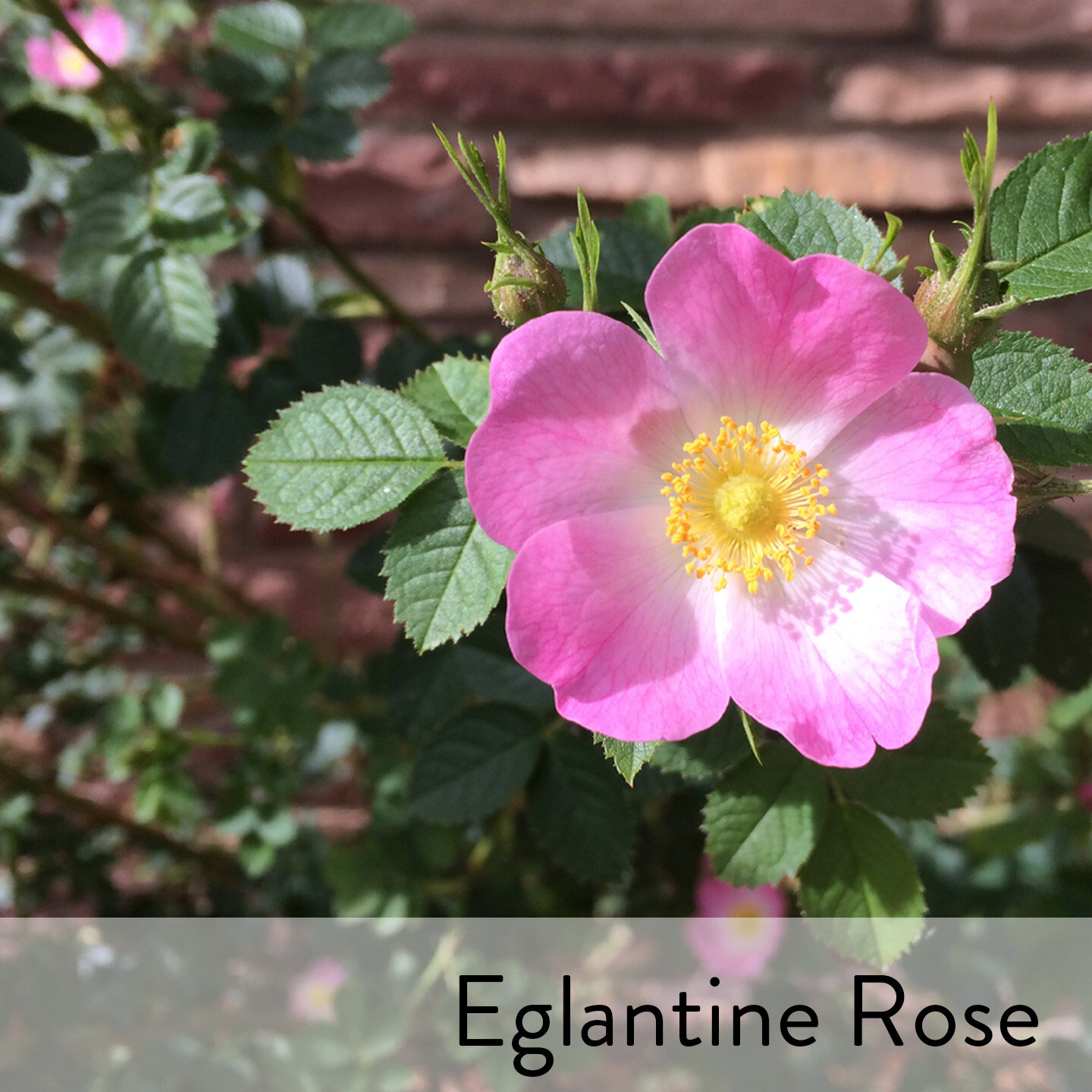
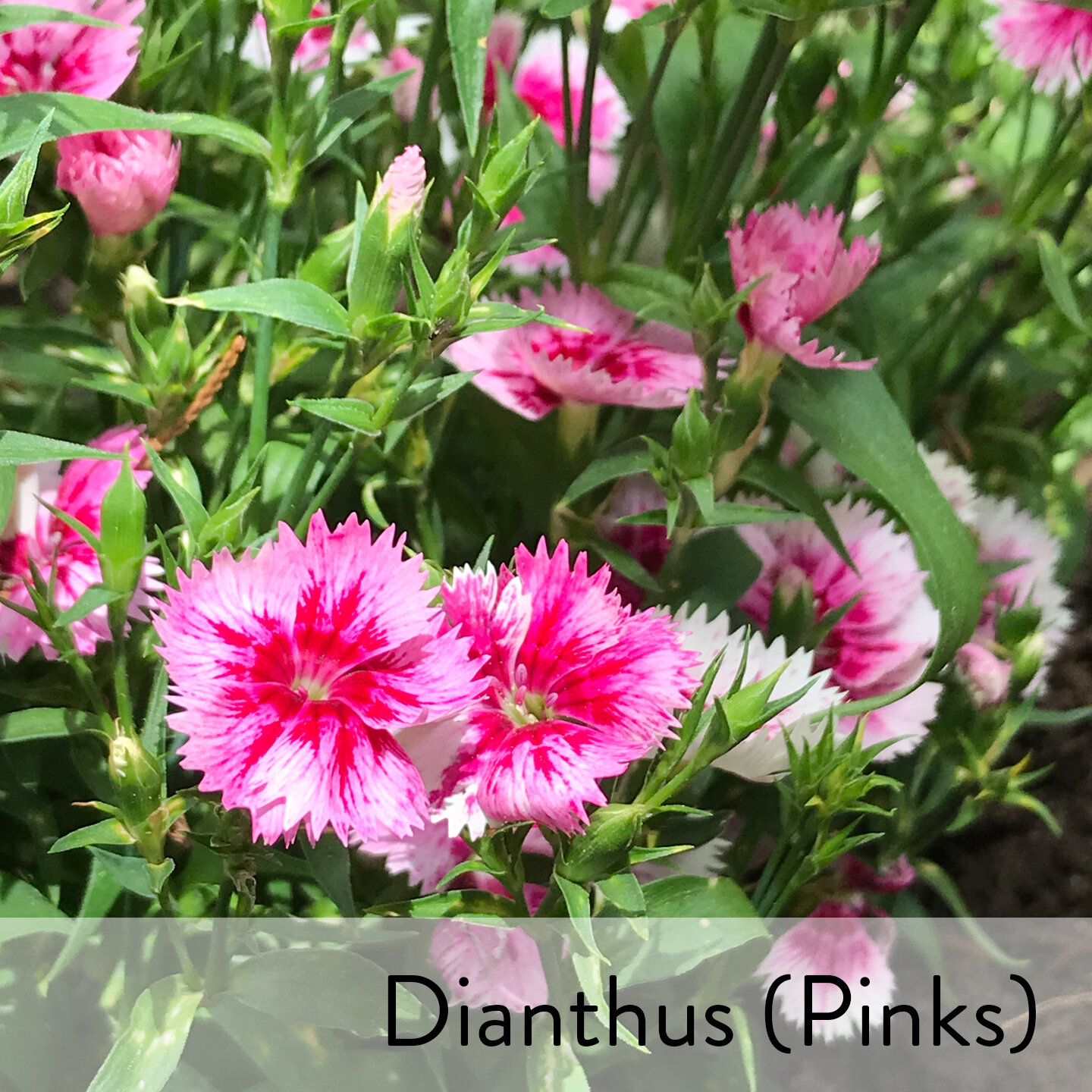
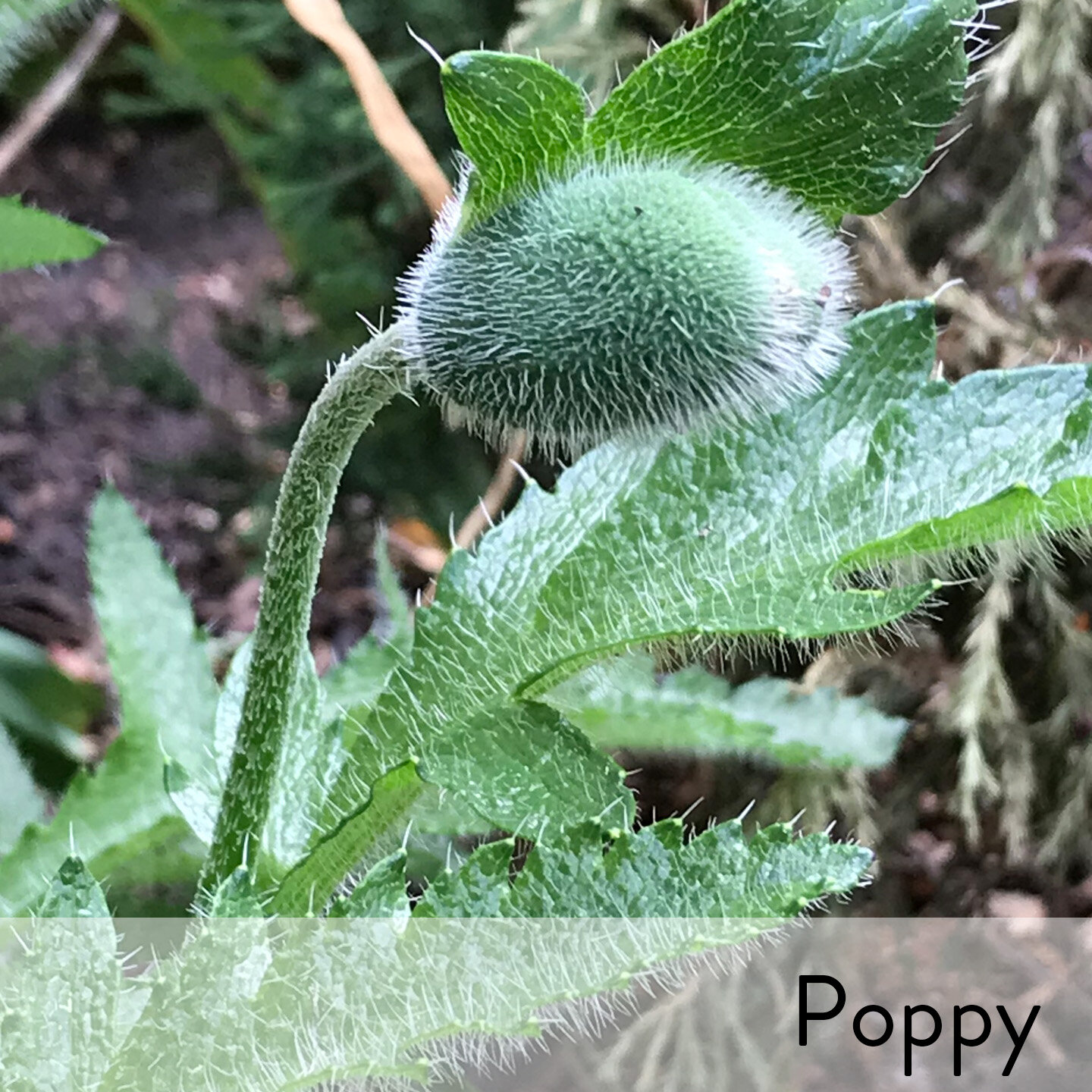
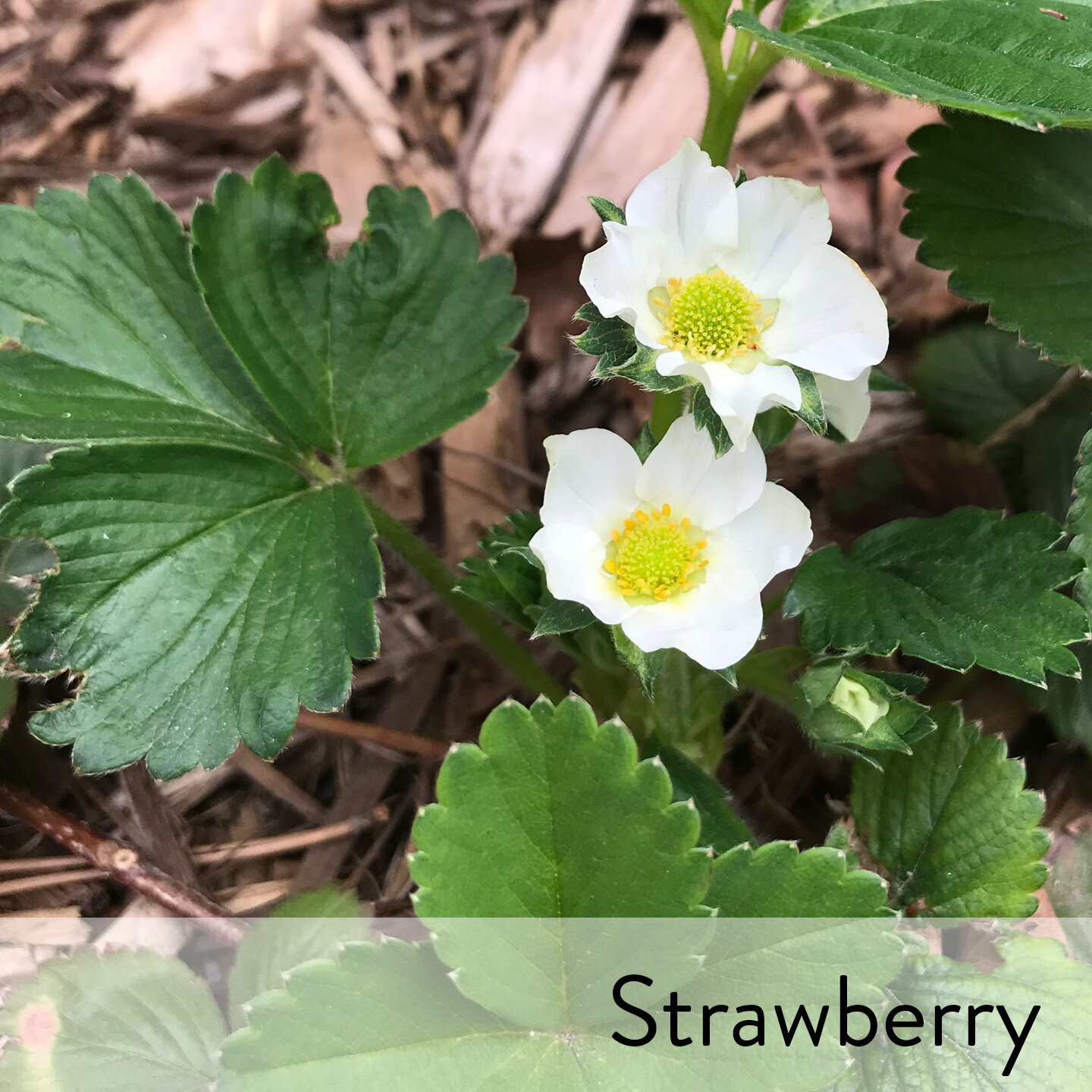
Enjoy this slideshow of the plants we have in our Elizabethan Garden: