Antony and Cleopatra
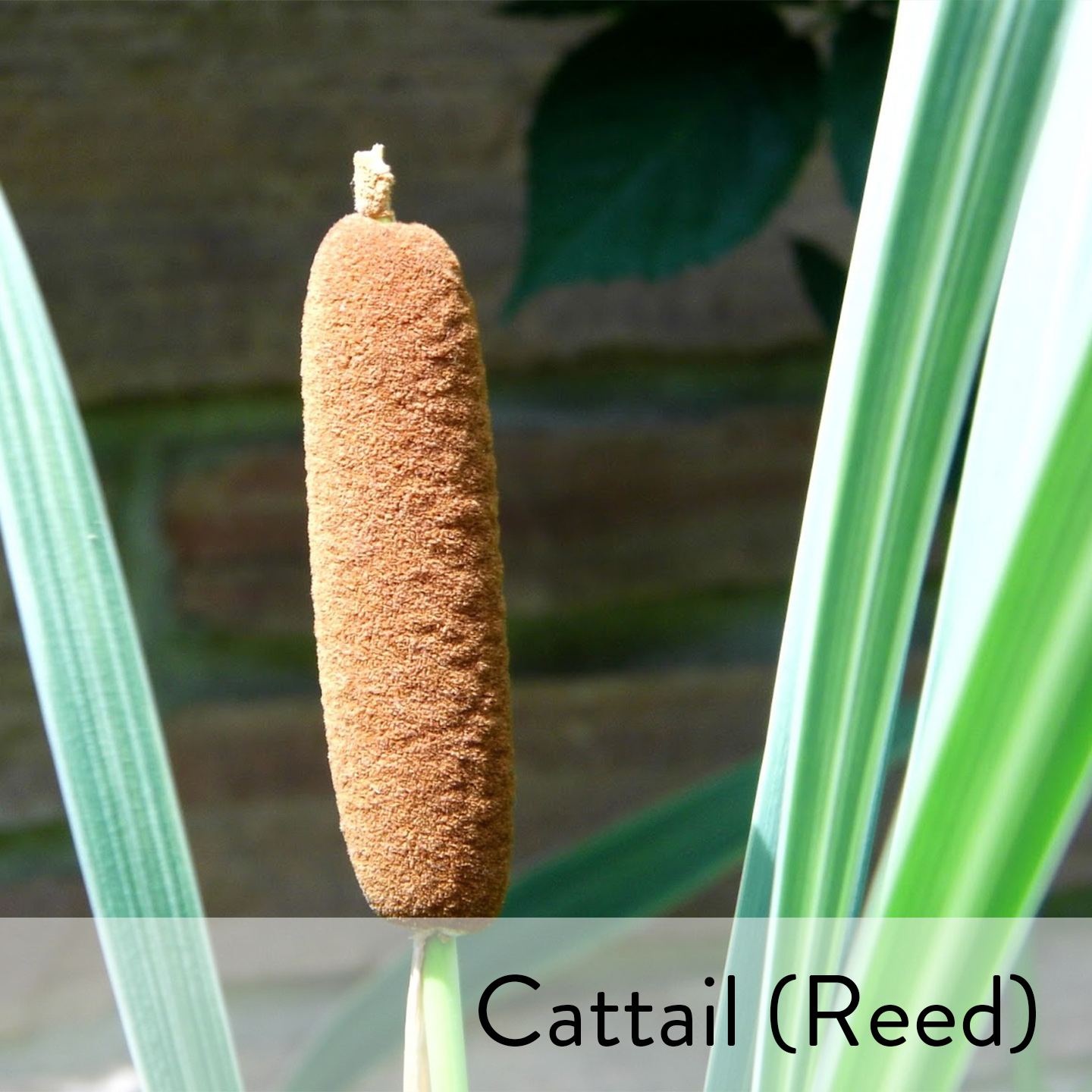
This is a play about two worlds colliding: austere Rome and abundant Egypt. And as usual, Shakespeare uses plants to help tell that story. Egypt is drowning in sensory excess—figs, onions, grapes, reeds—while Rome speaks in abstractions.
When Enobarbus describes Cleopatra's first meeting with Antony, he reaches for nature itself:
The barge she sat in, like a burnish'd throne,
Burned on the water.
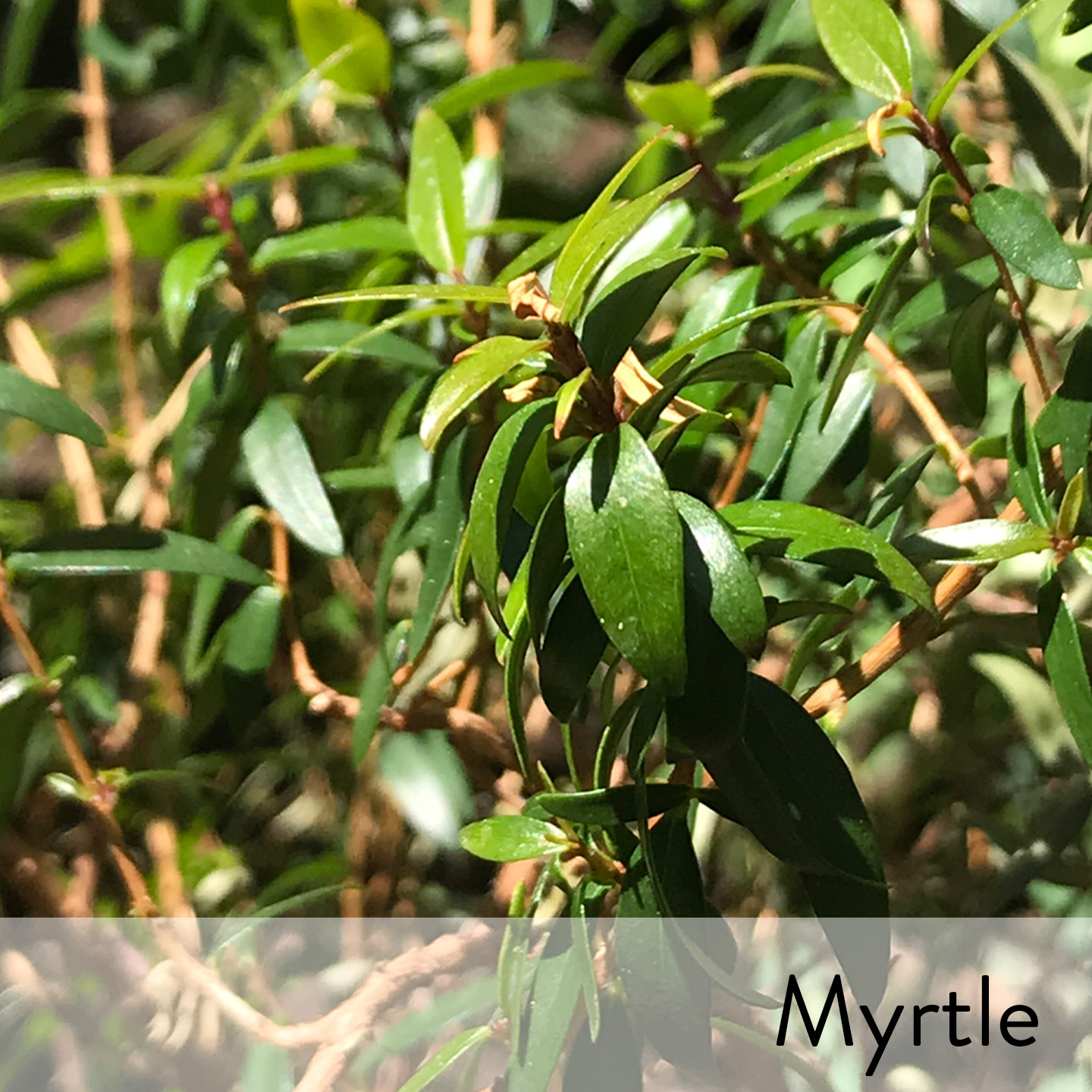
Everything in Egypt is alive, perfumed, overflowing. Myrtle was sacred to Venus, goddess of love, and Shakespeare plants it all through Cleopatra's scenes. Laurel crowns the Roman victors, marking military glory.
When the dying Antony is carried to Cleopatra's monument, he tells her “I am dying, Egypt, dying"—not "I am dying, Cleopatra." She is Egypt, and Egypt is plants, fertility, the Nile flooding its banks.
The contrast couldn't be sharper: Rome counts and measures and conquers; Egypt grows and seduces and overwhelms. Antony is torn between the two, and the plants track his choice—from Roman laurel to Egyptian balm, from duty to desire, until finally Egypt swallows him whole.
Special thanks to longtime CSF supporter and thespian Chuck Wilcox for voicing the part of The Bard in our video series. Full production credits available here. All photos copyright Colorado Shakespeare Group except those in the public domain, published under Creative Commons (CC) licensing. For more information on (CC) artwork in this video, click here.
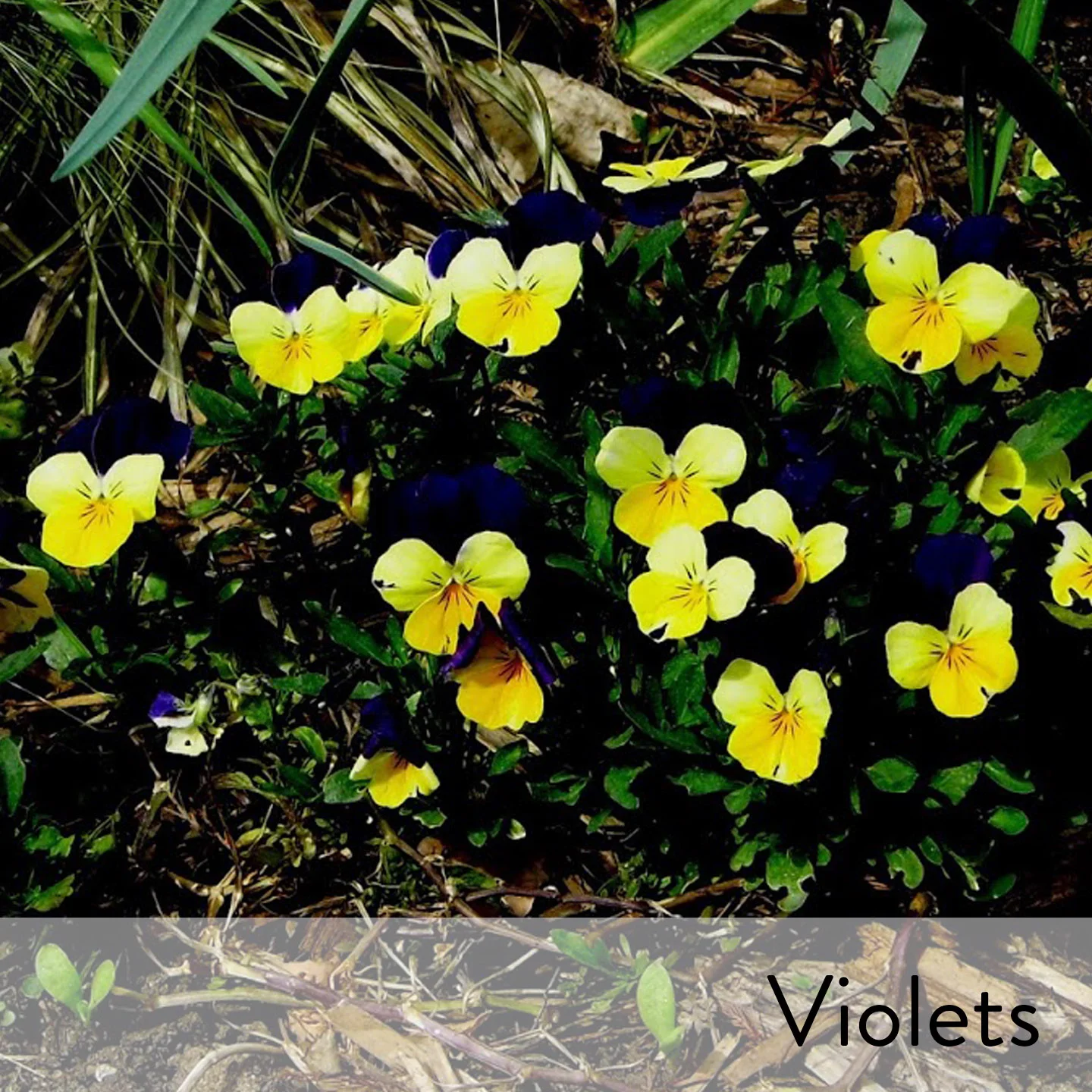
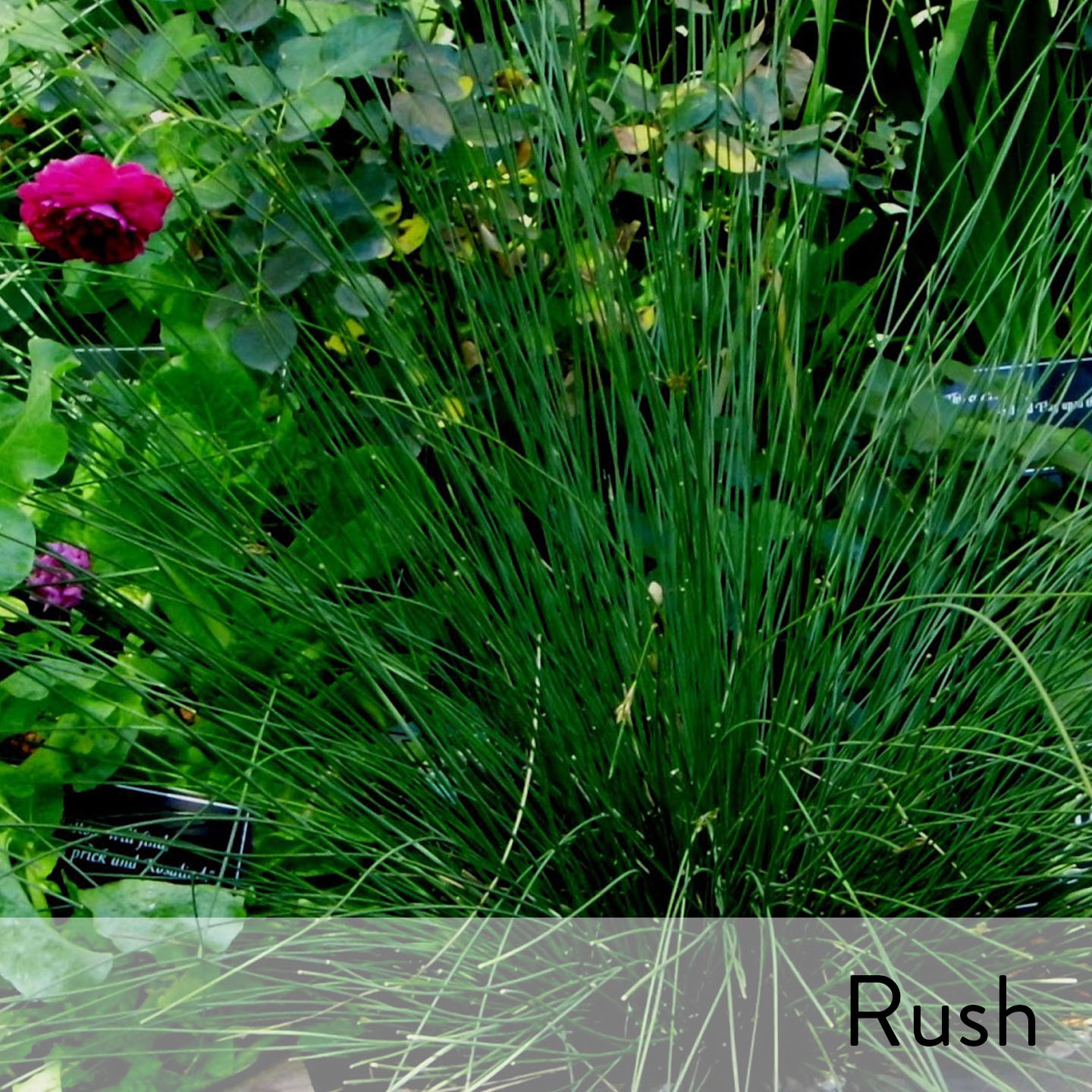
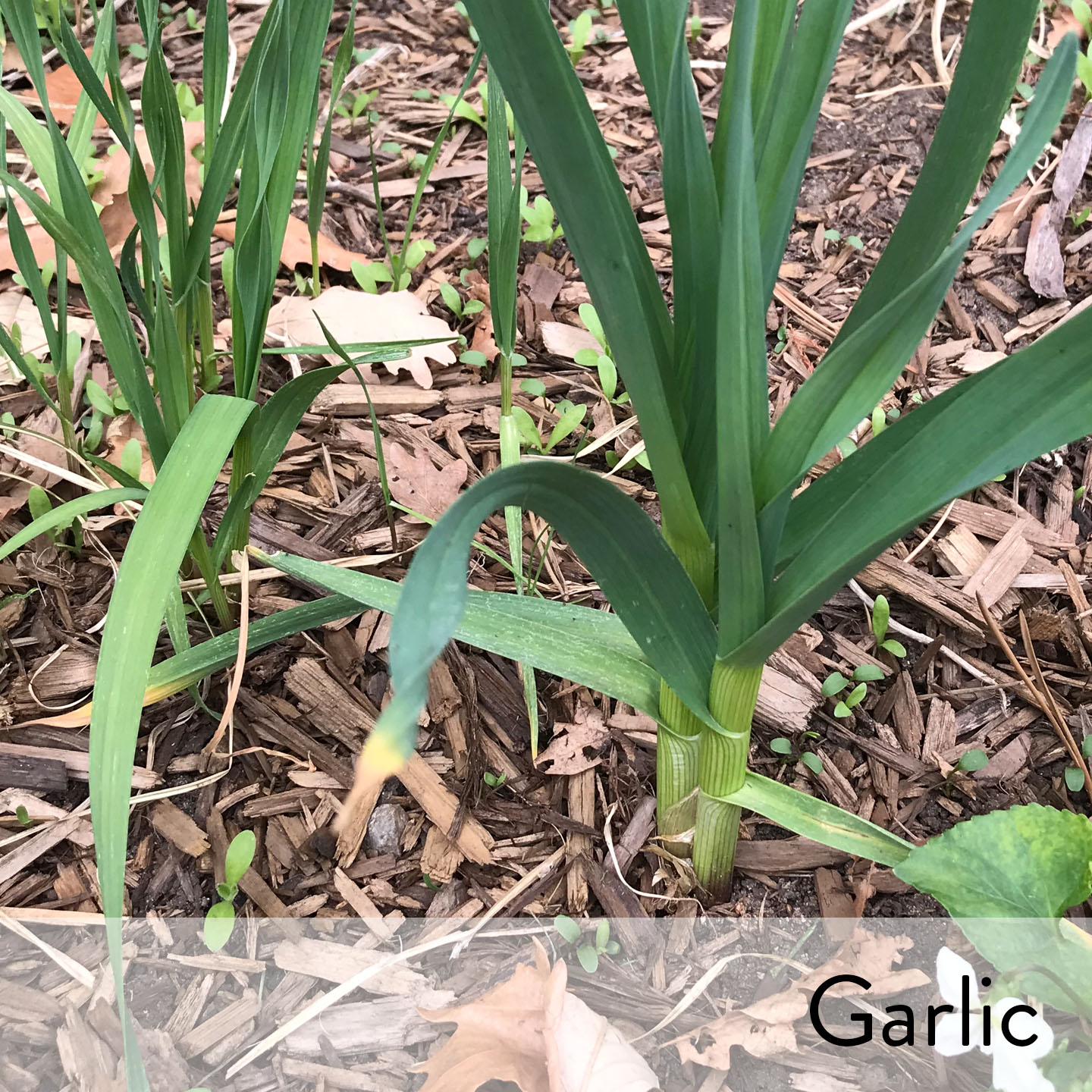
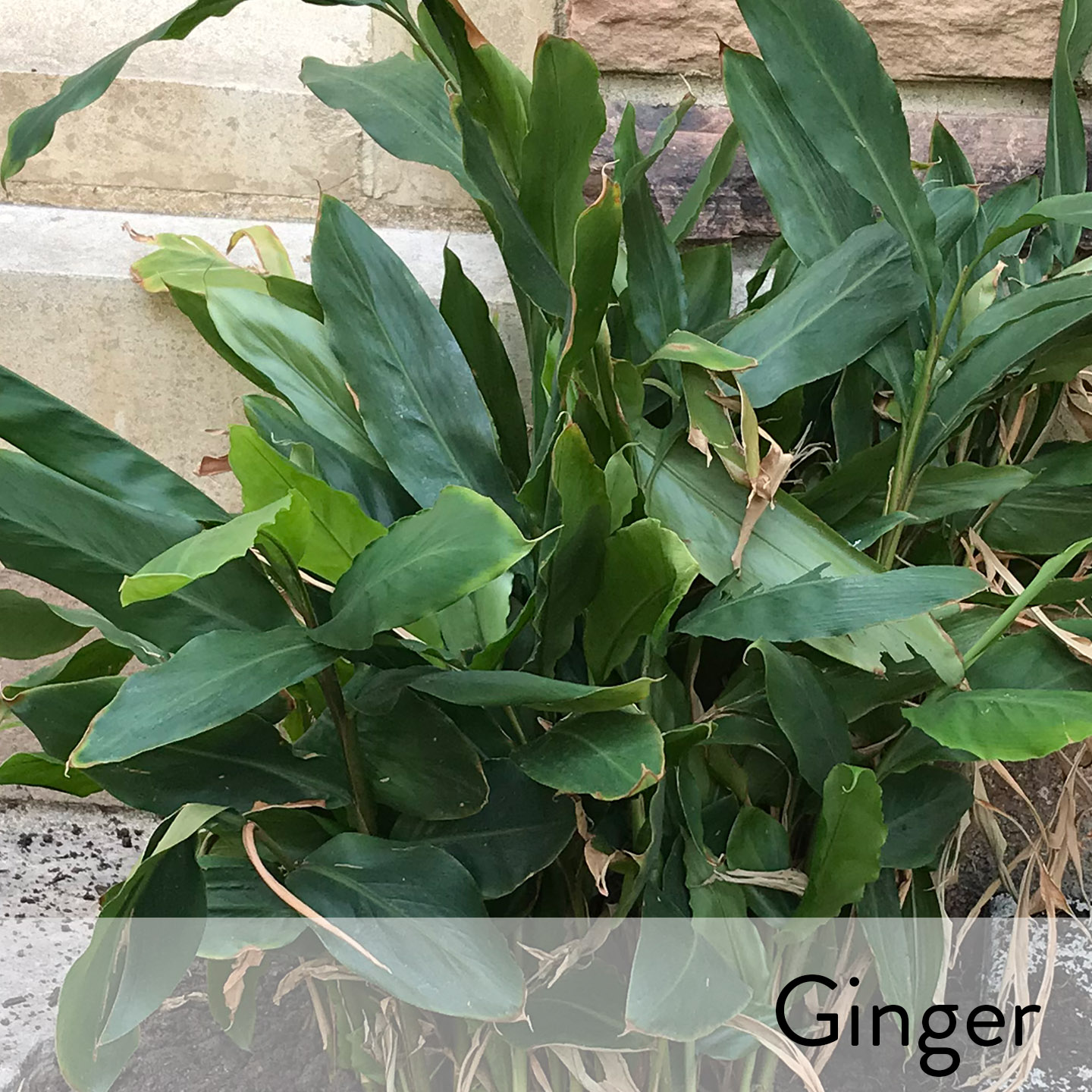
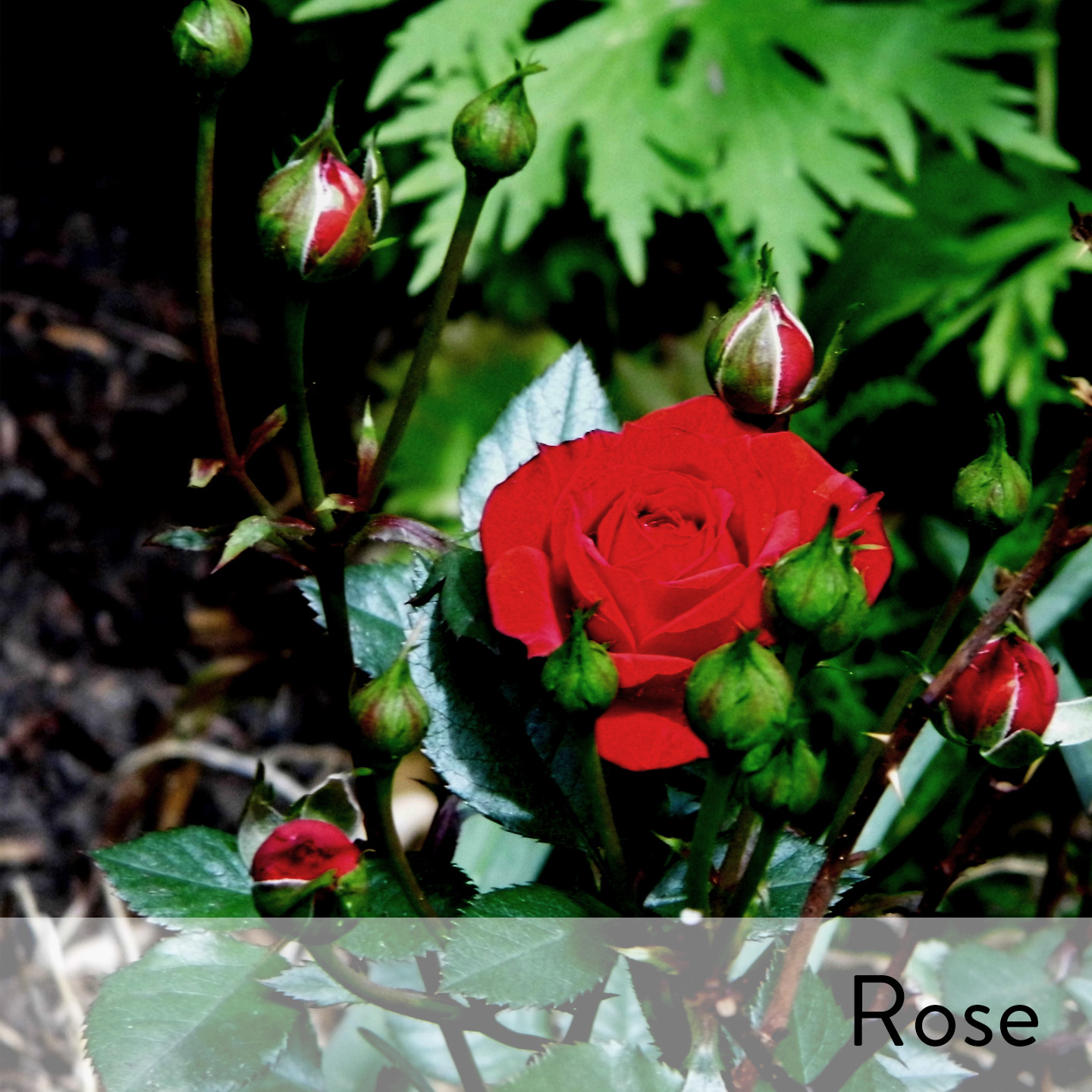
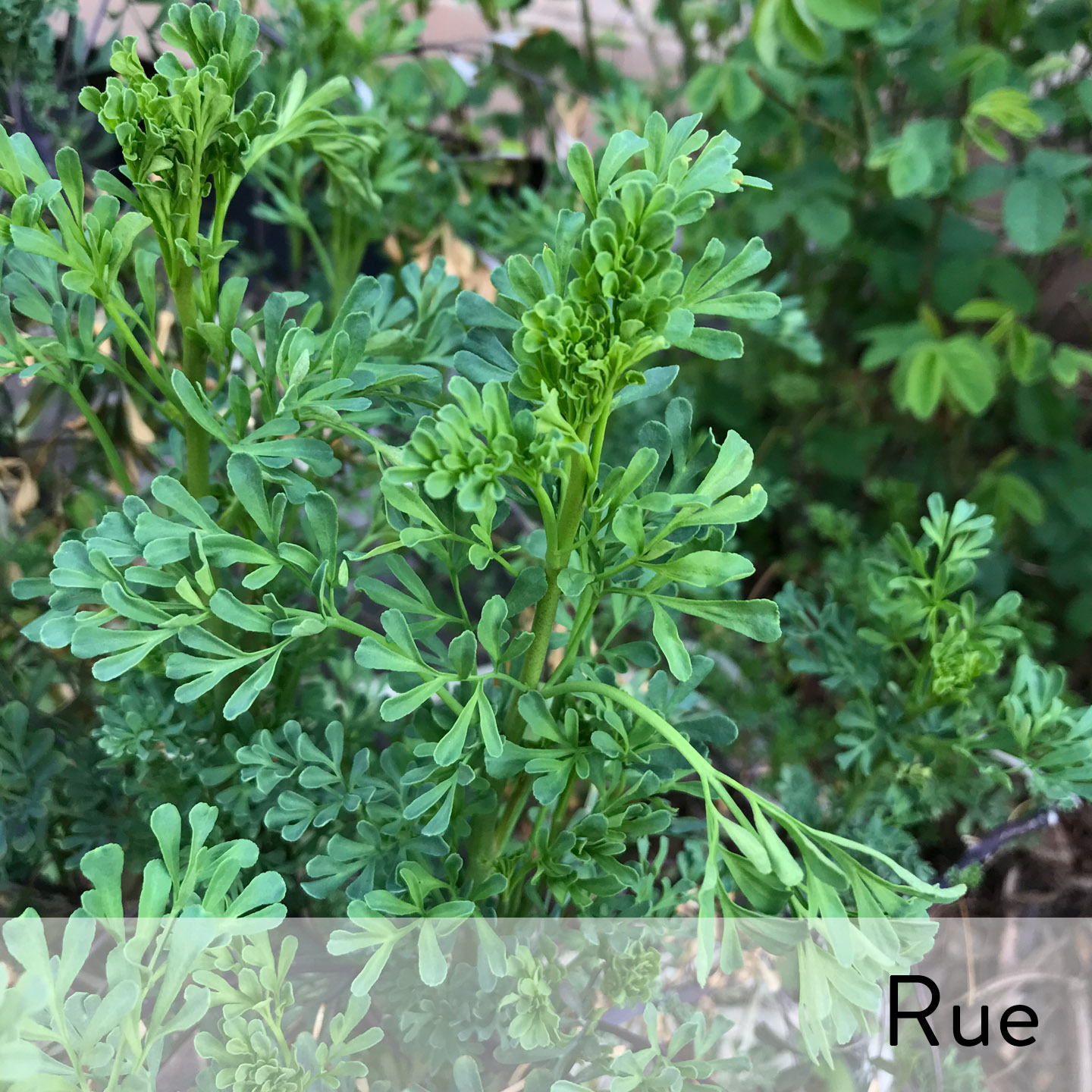
Enjoy this slideshow of the plants we have in our Antony and Cleopatra garden: