Othello
Iago is a gardener—or at least, that's how he describes himself.
Our bodies are our gardens,
he tells Roderigo,
to the which our wills are gardeners...
if we will plant nettles or sow lettuce, set hyssop and weed up thyme...
why, the power and corrigible authority of this lies in our wills.
He's saying you choose what grows in you. Plant virtue or plant vice—it's all cultivation.
Except that Iago plants poison. Nettles sting. They look harmless but they're covered in tiny venomous spines. Iago plants them everywhere—in Othello's mind, in Roderigo's hope, in every conversation. And the thing about nettles? They're useful plants, medicinal even, but only if you know how to handle them. In the wrong hands, they just burn.
The handkerchief embroidered with strawberries is the thing that destroys Desdemona. Strawberries grow low to the ground, heart-shaped, sweet—symbols of love and purity. But Iago turns them into evidence of betrayal. He makes Othello see corruption in something innocent.
When Othello finally understands what he's done, he says Desdemona's skin was
whiter... than snow,
And smooth as monumental alabaster.
Earlier he called her his rose, but he's already killed her.
When I have pluck'd the rose,
I cannot give it vital growth again.
Once you cut the flower, it's dead. Iago knew exactly what he was planting. And the thing about nettles is that they always win if you let them.
Special thanks to longtime CSF supporter and thespian Chuck Wilcox for voicing the part of The Bard in our video series. Full production credits available here. All photos copyright Colorado Shakespeare Group except those in the public domain, published under Creative Commons (CC) licensing. For more information on (CC) artwork in this video, click here.
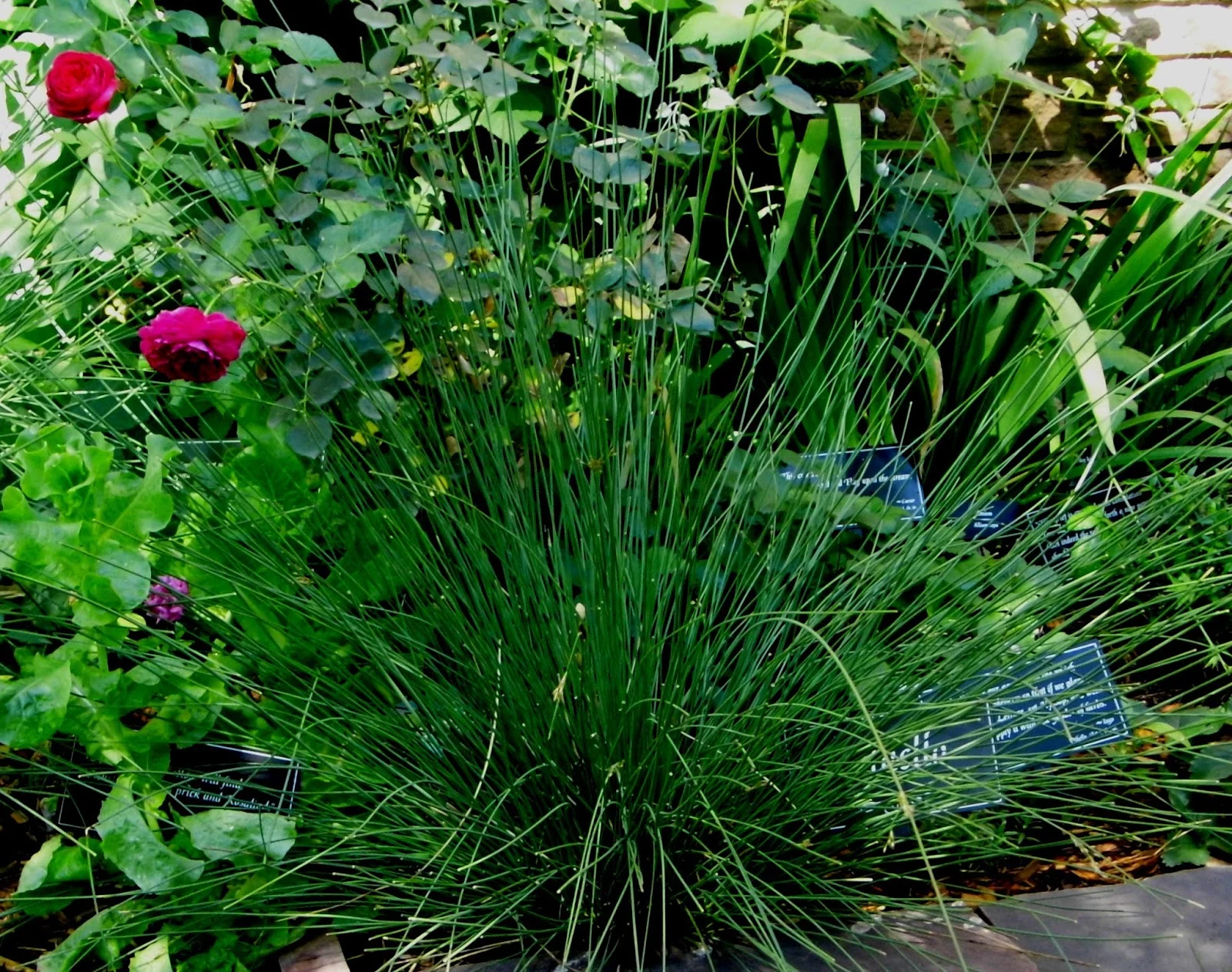
Enjoy this slideshow of the plants we have in our Othello garden:


