Romeo and Juliet
The most famous plant line in Shakespeare might be Juliet's question:
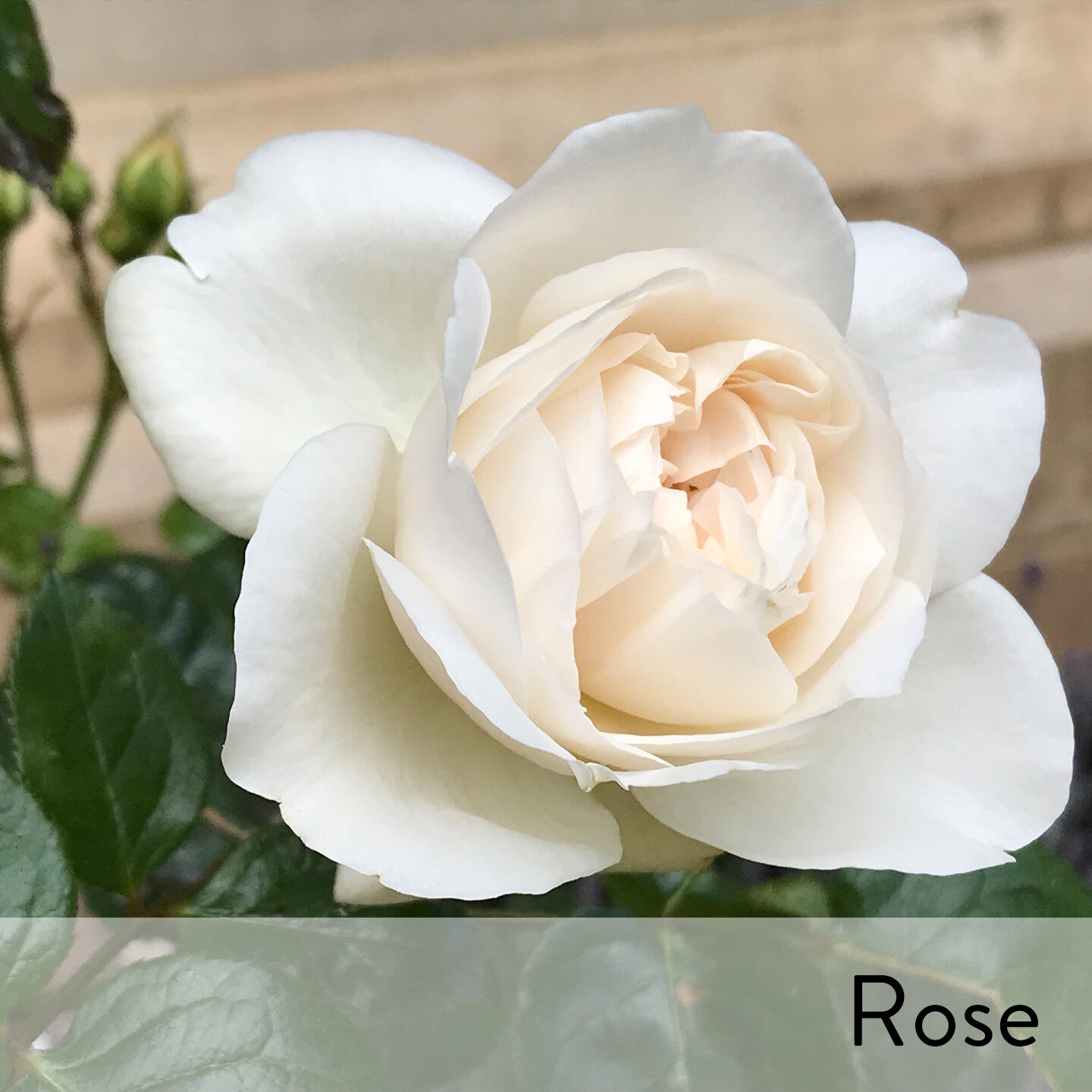
What's in a name? That which we call a rose
By any other name would smell as sweet.
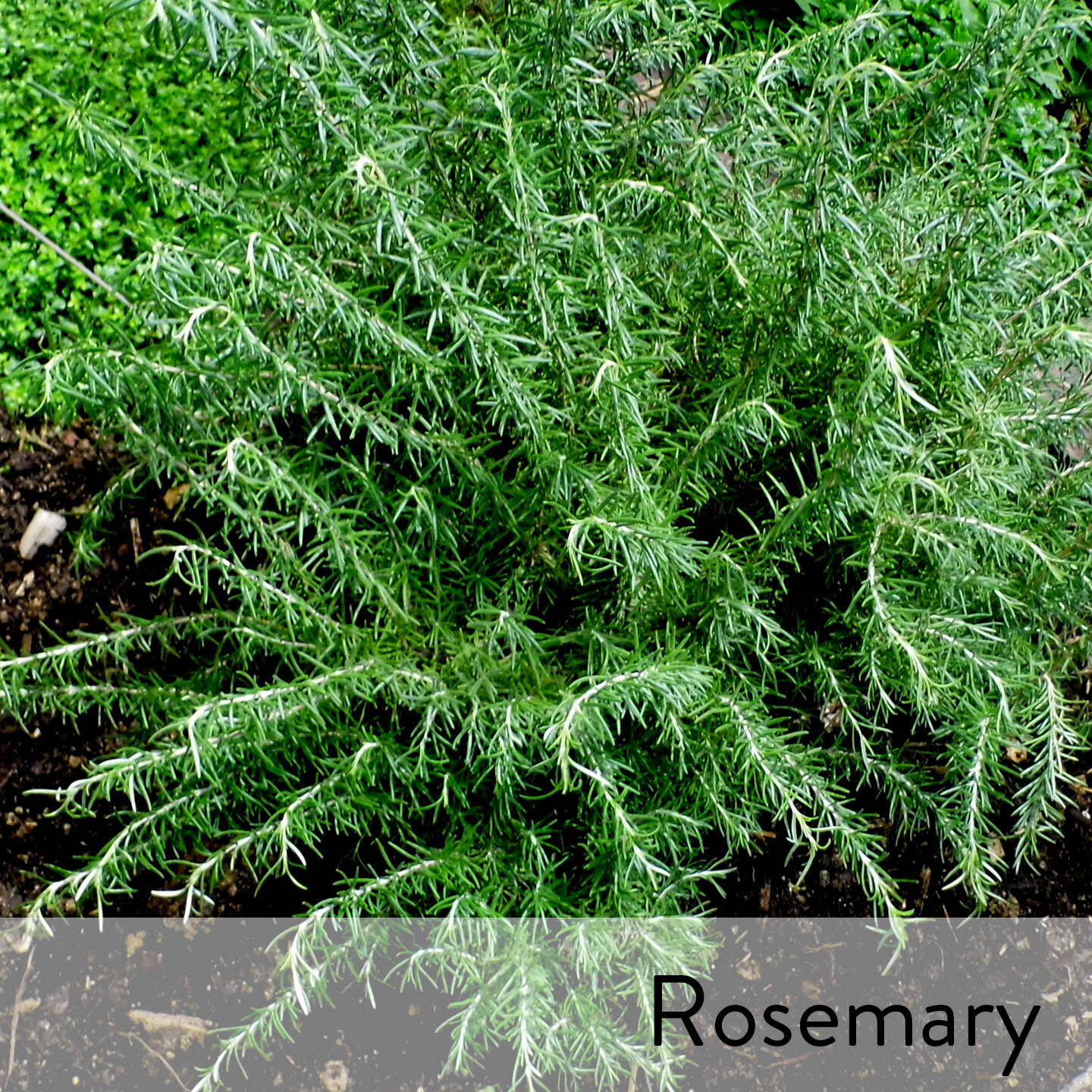
But roses aren't just about romance here—they're about the bloody family feud, since the red and white roses marked the opposing sides in England's Wars of the Roses. When Juliet wakes in the tomb, she finds rosemary scattered on Romeo's body—"rosemary for remembrance," the herb of weddings and funerals both.
The Friar's garden holds the play's turning point: he enters gathering herbs and musing on how the same plant can heal or kill,
For naught so vile that on the earth doth live
But to the earth some special good doth give.
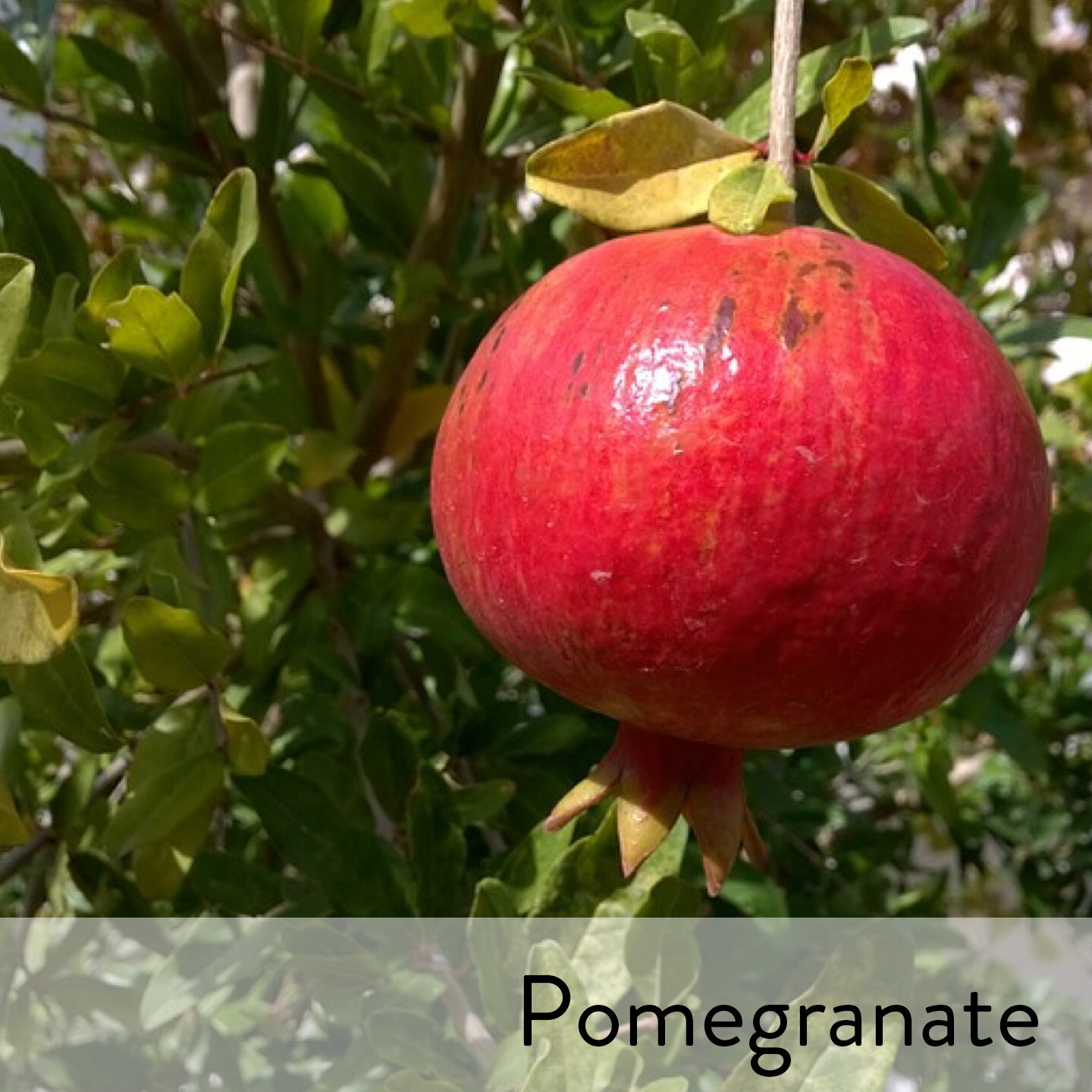
It's from these plants that he makes the poison-that's-not-poison for Juliet's fake death. Pomegranates mark the moment when night turns to day and Romeo must leave or die. Even willows appear, symbols of grief and forsaken love.
The plants track every turn from desire to despair—and remind us that the difference between remedy and poison is just a matter of dose.
Special thanks to longtime CSF supporter and thespian Chuck Wilcox for voicing the part of The Bard in our video series. Full production credits available here. All photos copyright Colorado Shakespeare Group except those in the public domain, published under Creative Commons (CC) licensing. For more information on (CC) artwork in this video, click here.
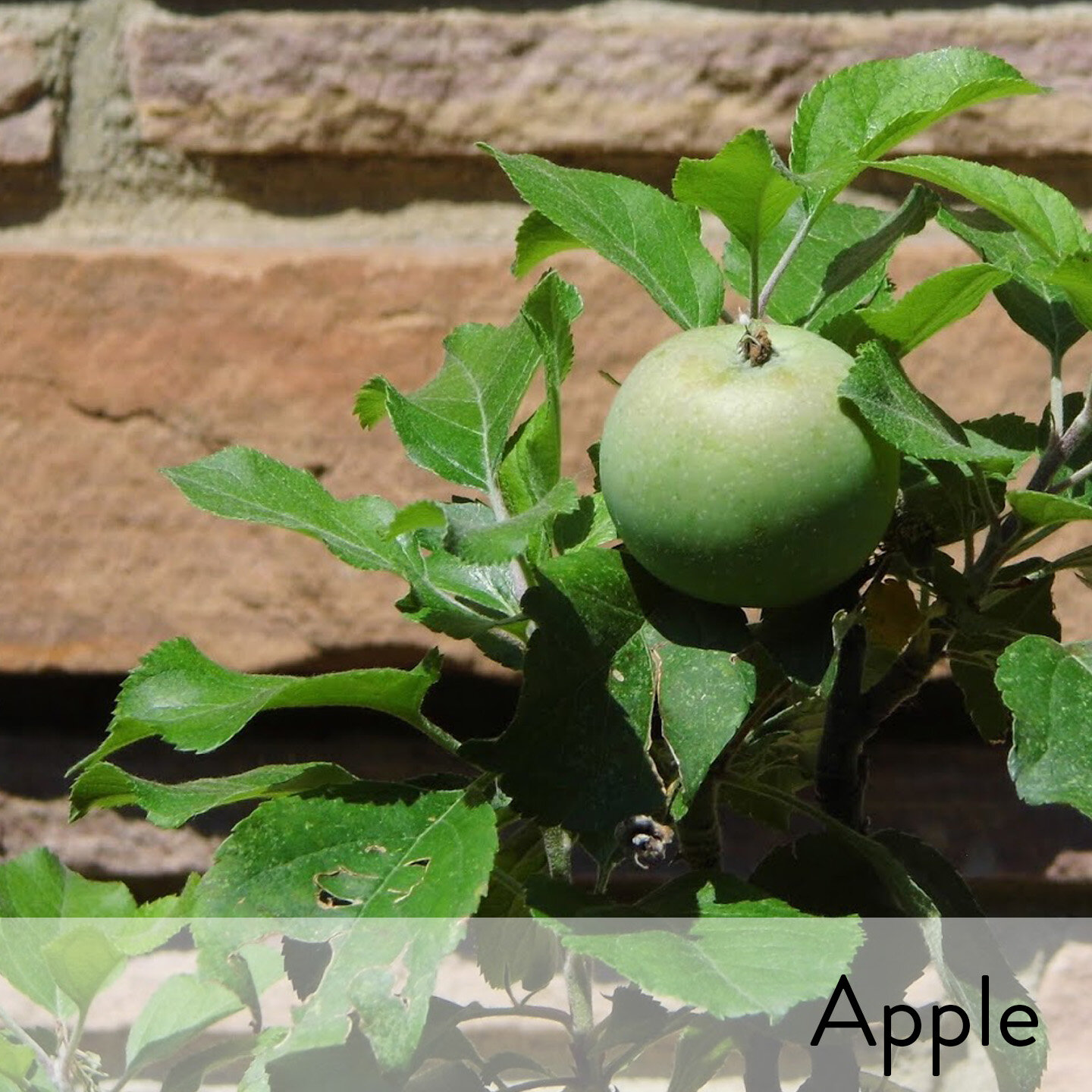
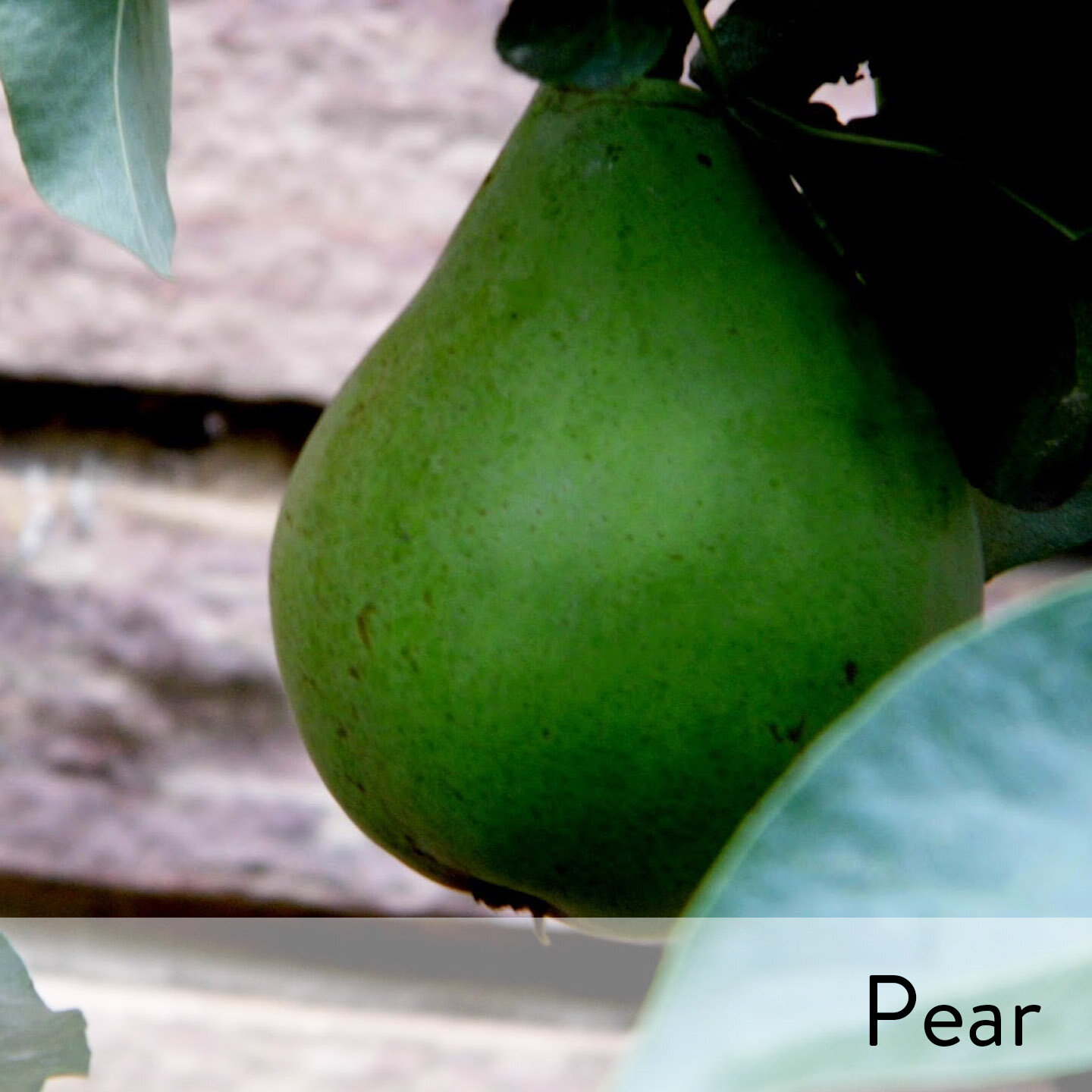
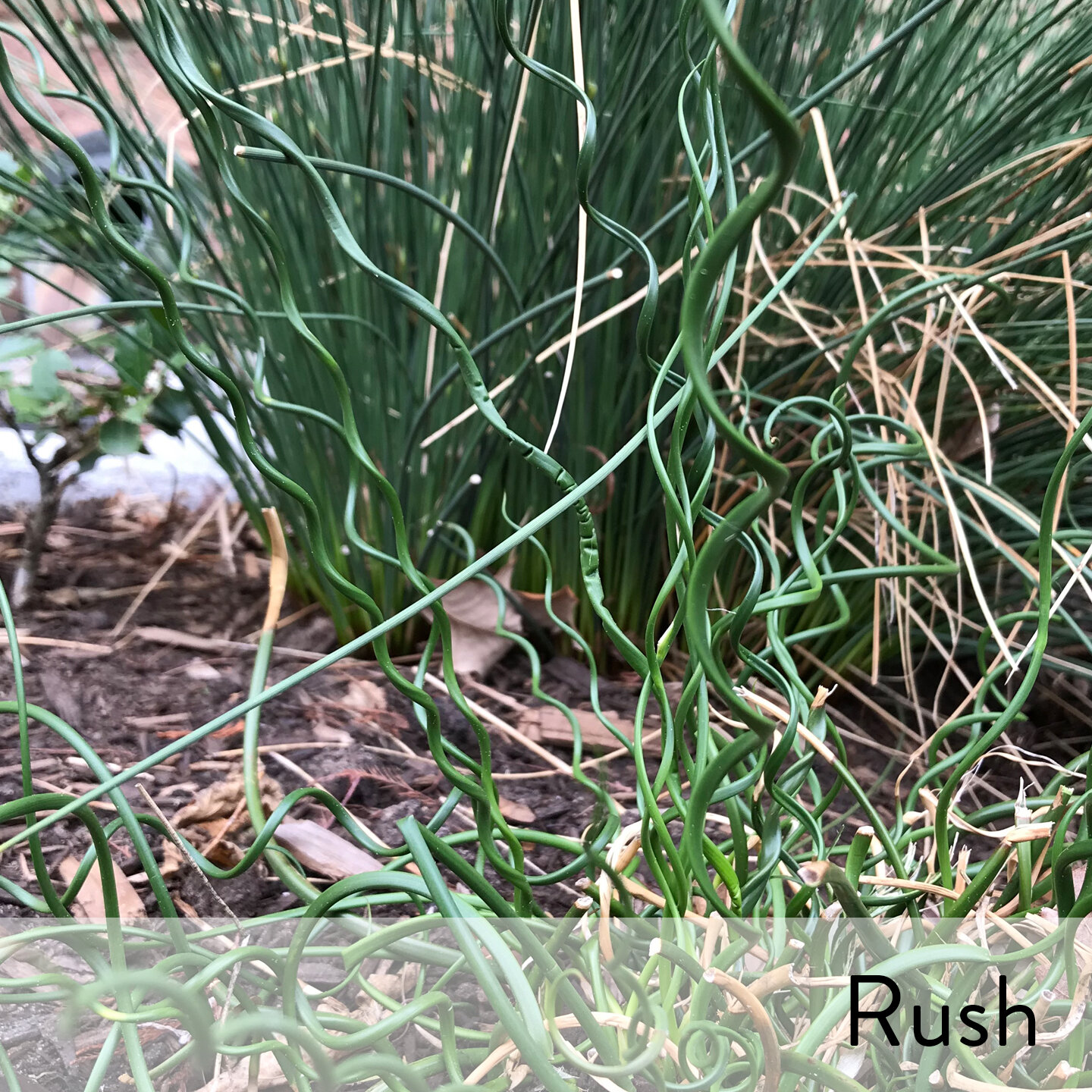
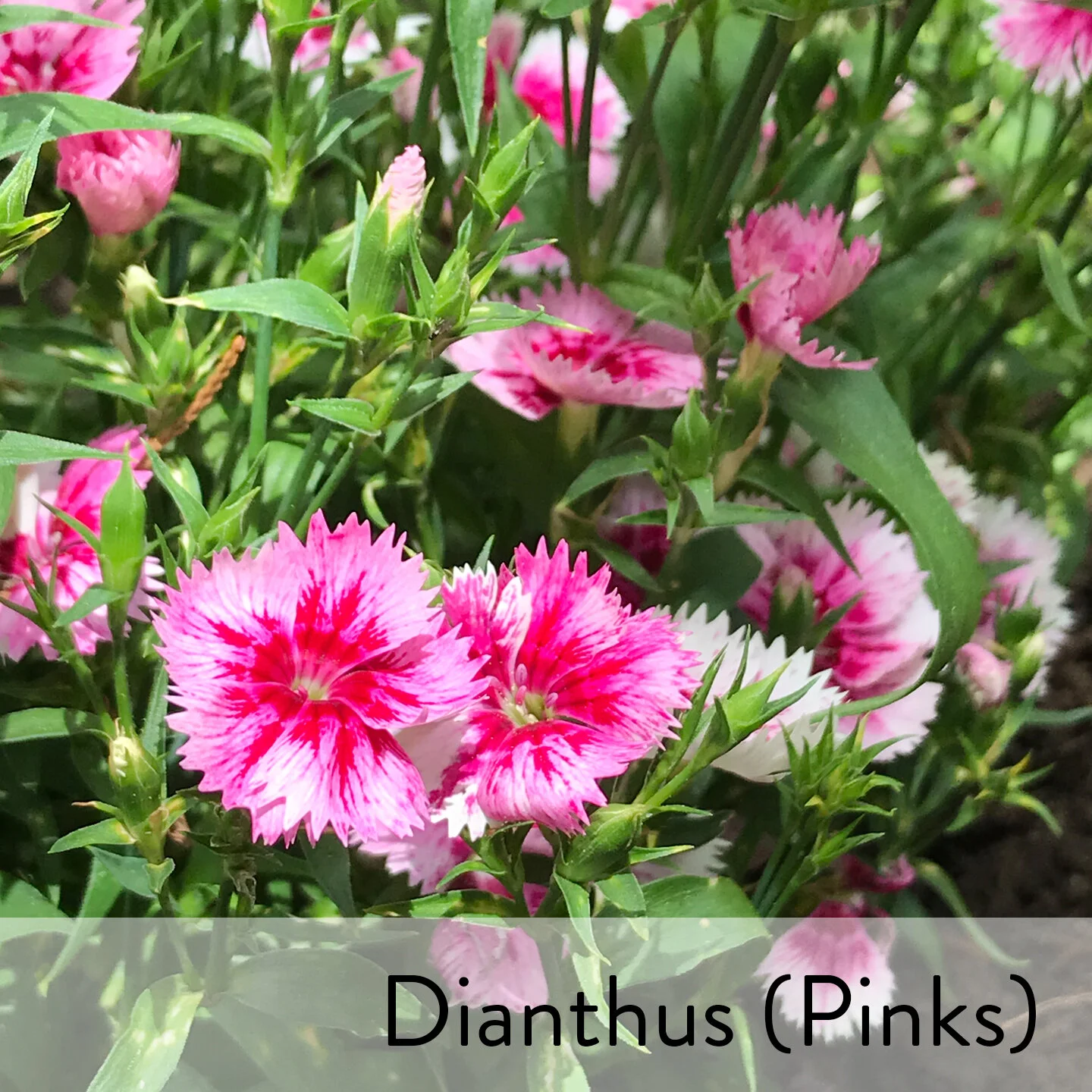
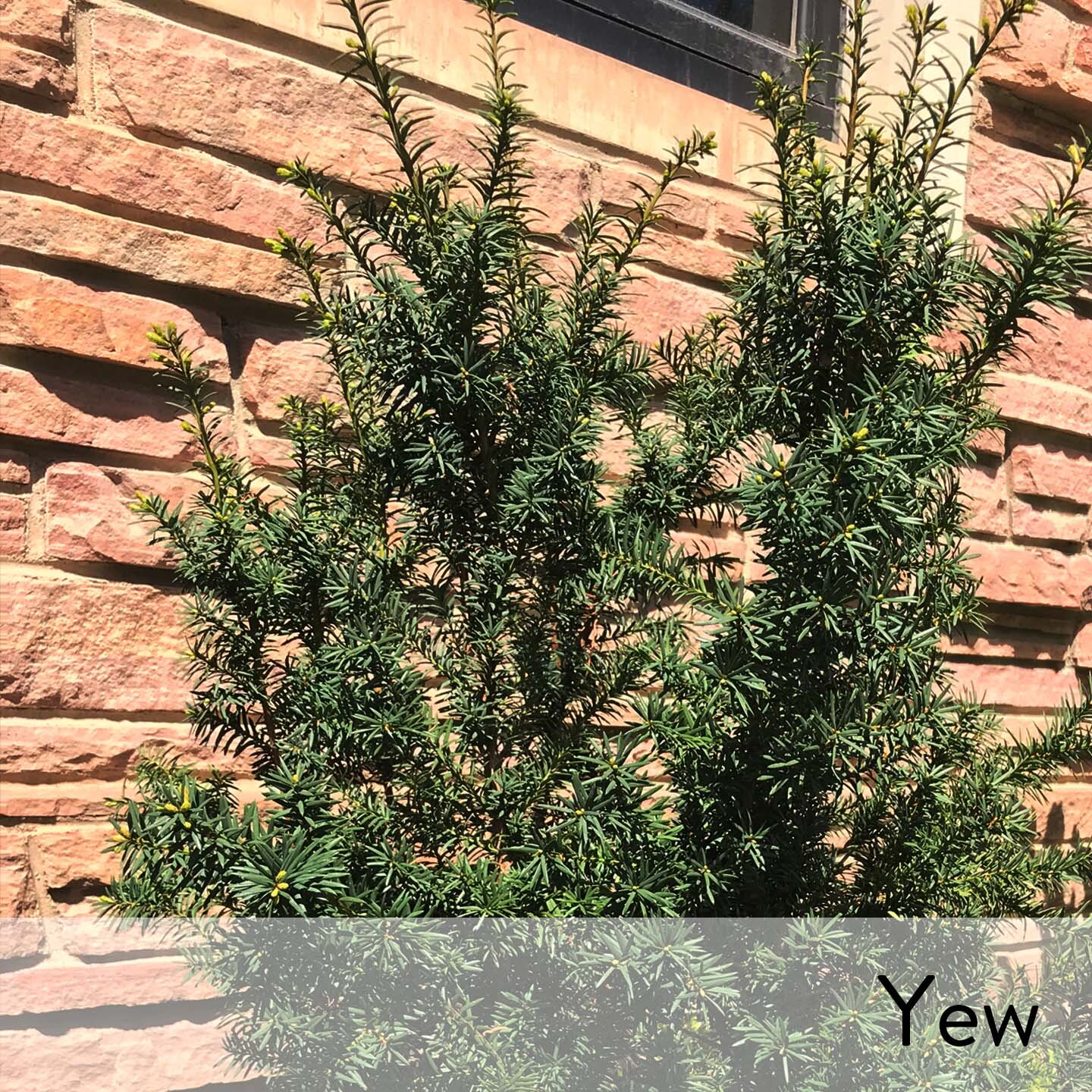
Enjoy this slideshow of the plants we have in our Romeo and Juliet garden: