The Midsummer Night’s Dream Garden
Midsummer Night's Dream has 40 different plants—more than any other Shakespeare play. The forest is so thick with flowers you can barely see the plot through the blooms. And that's exactly the point: this is a play about getting lost.
Everything hinges on one flower: love-in-idleness, also called pansy or "Cupid's flower." Oberon describes how it got its power—Cupid's arrow missed its mark and struck a flower, turning it into a love potion. Squeeze the juice on someone's sleeping eyes and they'll fall in love with the first thing they see when they wake. It's botanical chaos. Titania, queen of the fairies, wakes and falls for Bottom with a donkey's head. The human lovers turn on each other like deranged ping-pong balls.
But look at the other plants—thyme, oxlips, woodbine, eglantine, musk-roses—they create Titania's bower,
quite over-canopied with luscious woodbine,
With sweet musk-roses and with eglantine.
The forest isn't dangerous. It's lush, fragrant, overflowing. Even the bank where Titania sleeps is carpeted with "nodding violets" and wild thyme. This is a place where nature runs riot, where boundaries dissolve, where anything can happen.
By morning, the love-juice wears off and everyone pairs up correctly. Oberon lifts the spell with another plant—Dian's bud—restoring order. The forest was never malicious. It was just profoundly, beautifully out of control. Forty plants will do that.

Special thanks to longtime CSF supporter and thespian Chuck Wilcox for voicing the part of The Bard in our video series. Full production credits available here. All photos copyright Colorado Shakespeare Group except those in the public domain, published under Creative Commons (CC) licensing. For more information on (CC) artwork in this video, click here.
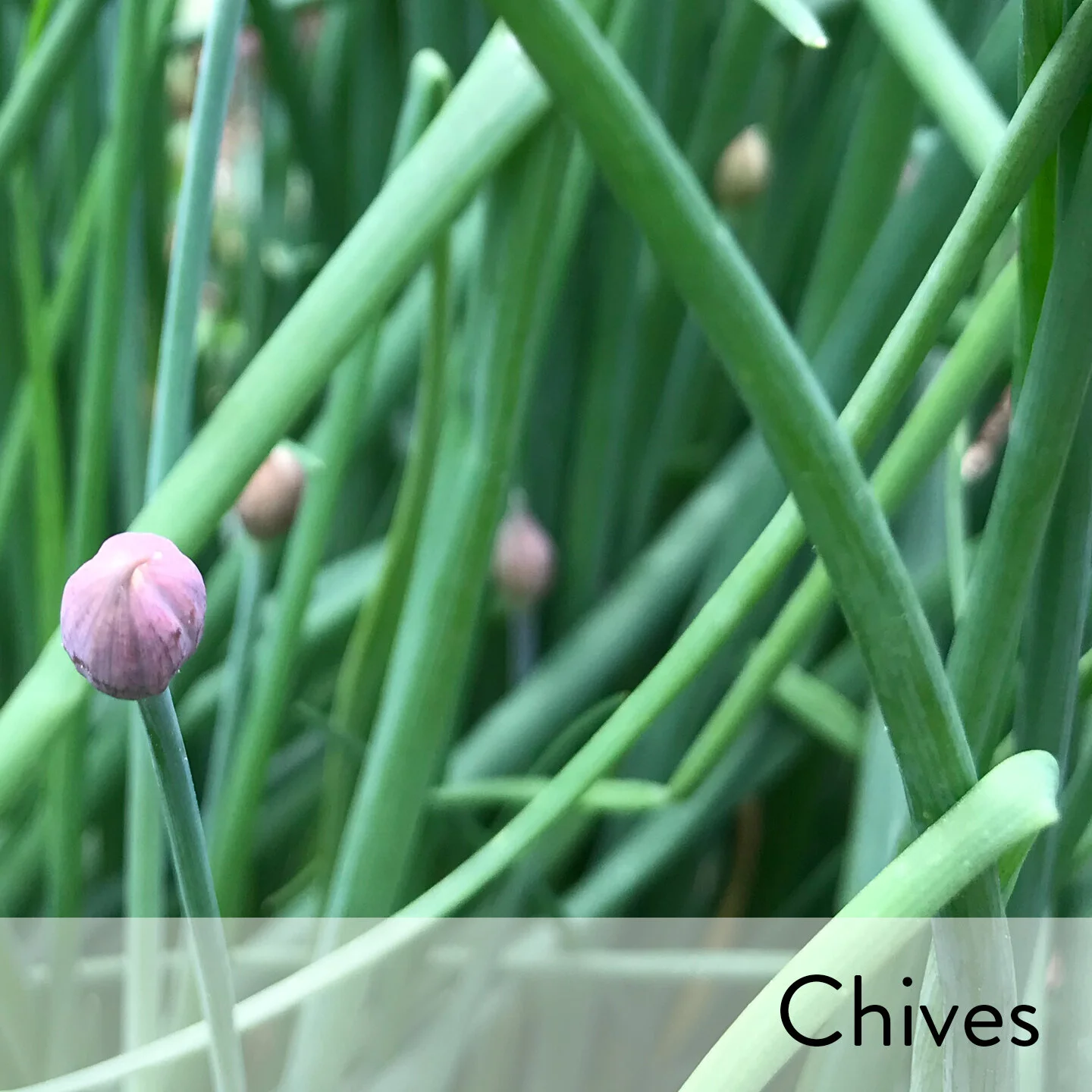
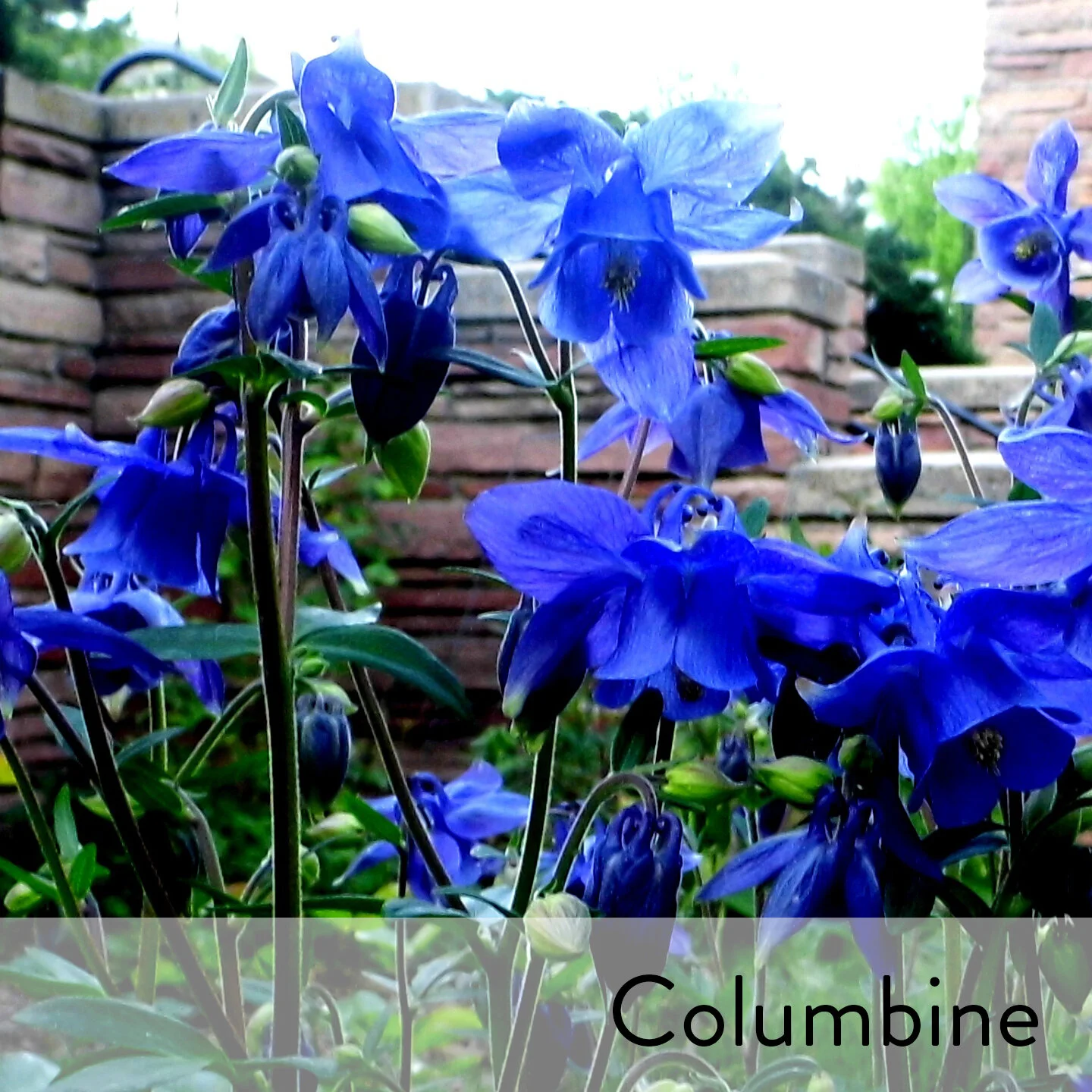
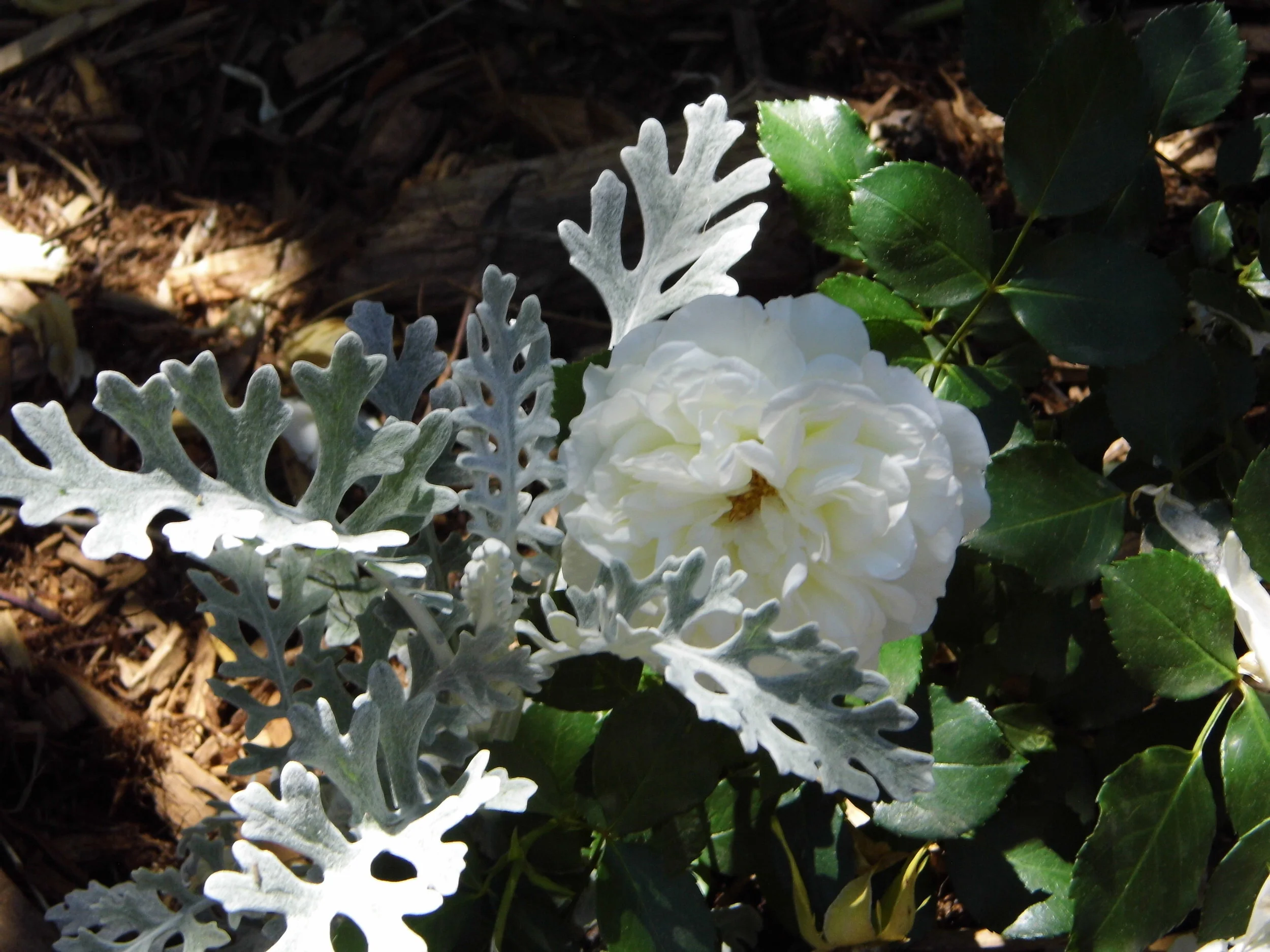
Enjoy this slideshow of the plants we have in our Midsummer Night’s Dream Garden: