The Founder’s Garden
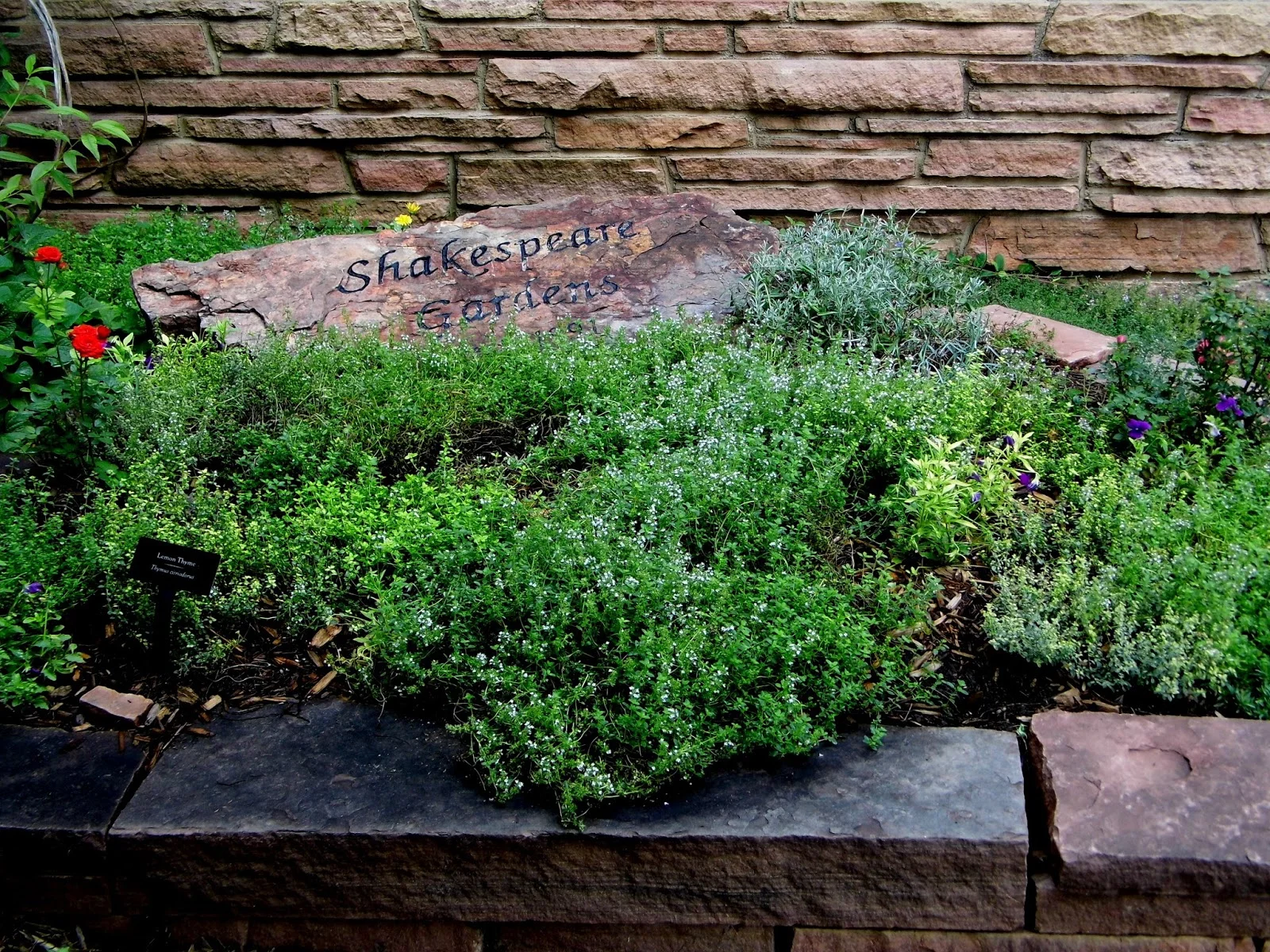
Our Founder's Garden is where it all began. In spring 1992, gardeners cleared this land and built the beds from Lyons stone—the same stone used throughout the university. The Shakespeare Garden Rock sits here, engraved with the garden’s birth year. The initial beds cost a thousand dollars: Founder Marlene Cowdrey's vision, made solid.
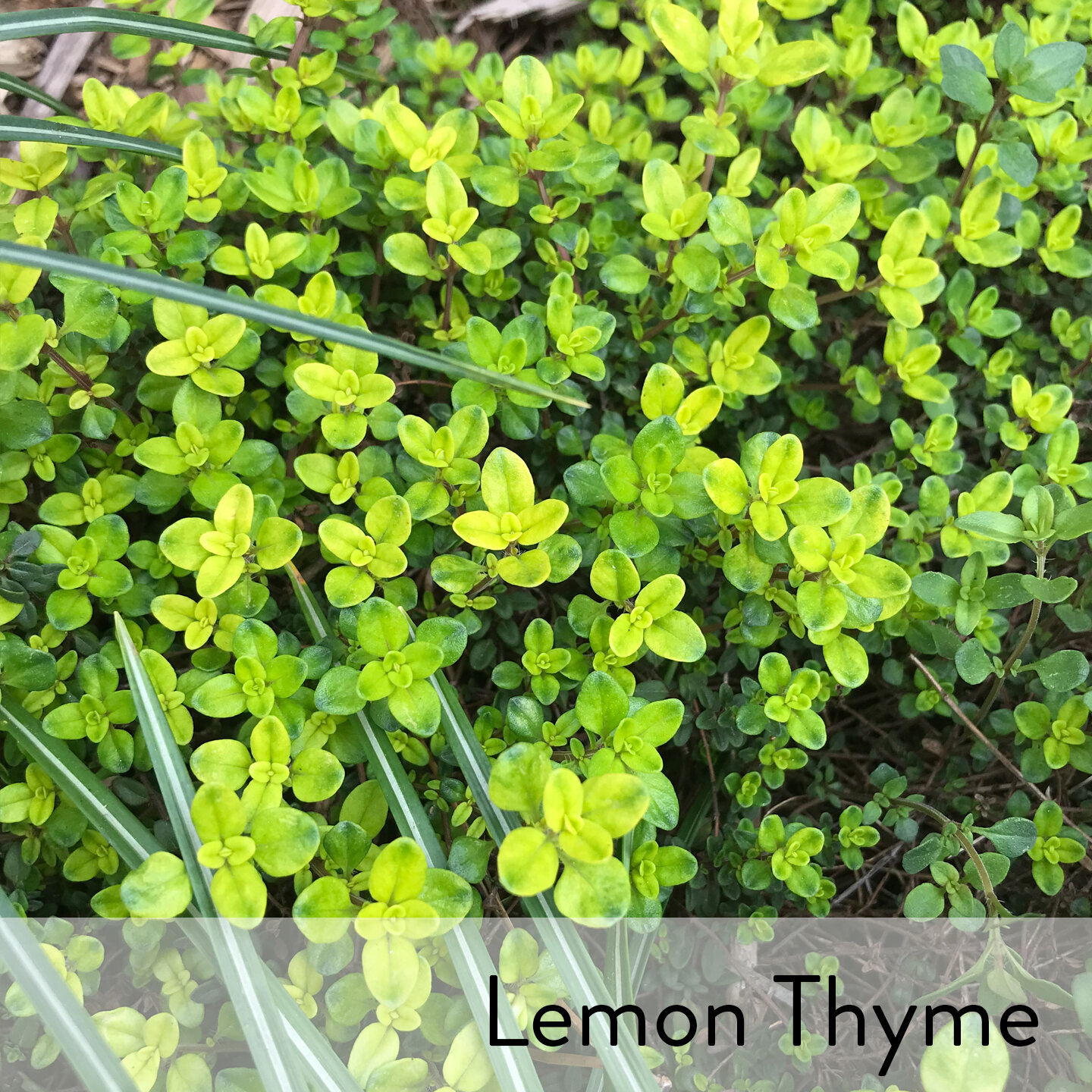
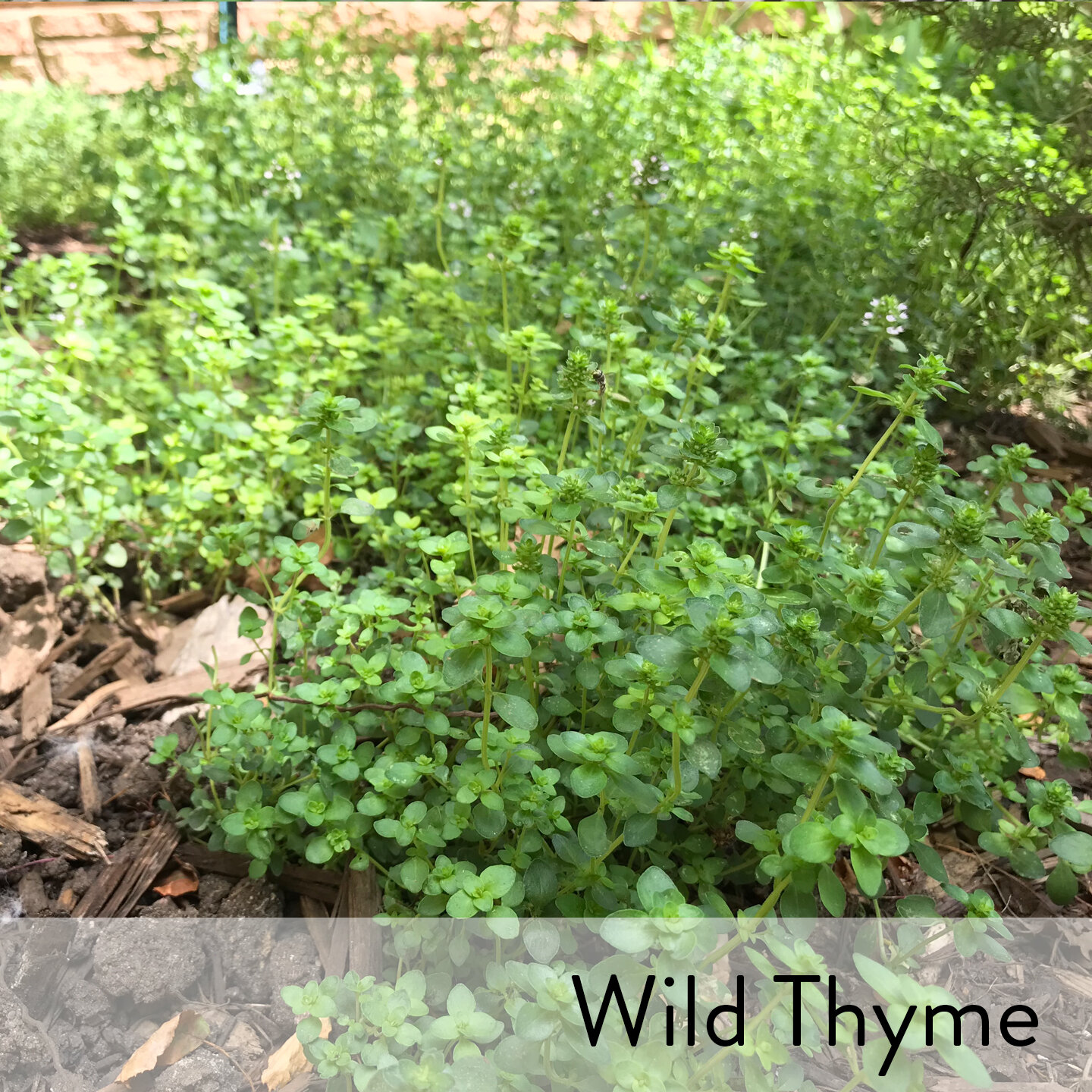
Thyme grows all around the rock—several kinds, pink and purple flowers, strong scent. In A Midsummer Night's Dream, Oberon describes Titania's bower:
I know a bank where the wild thyme blows,
Where oxlips and the nodding violet grows,
Quite over-canopied with luscious woodbine.
Sir Francis Bacon, Shakespeare's contemporary, recommended planting wild thyme in garden paths because it "perfumes the air most delightfully... being trodden upon and crushed." The scent was the point.
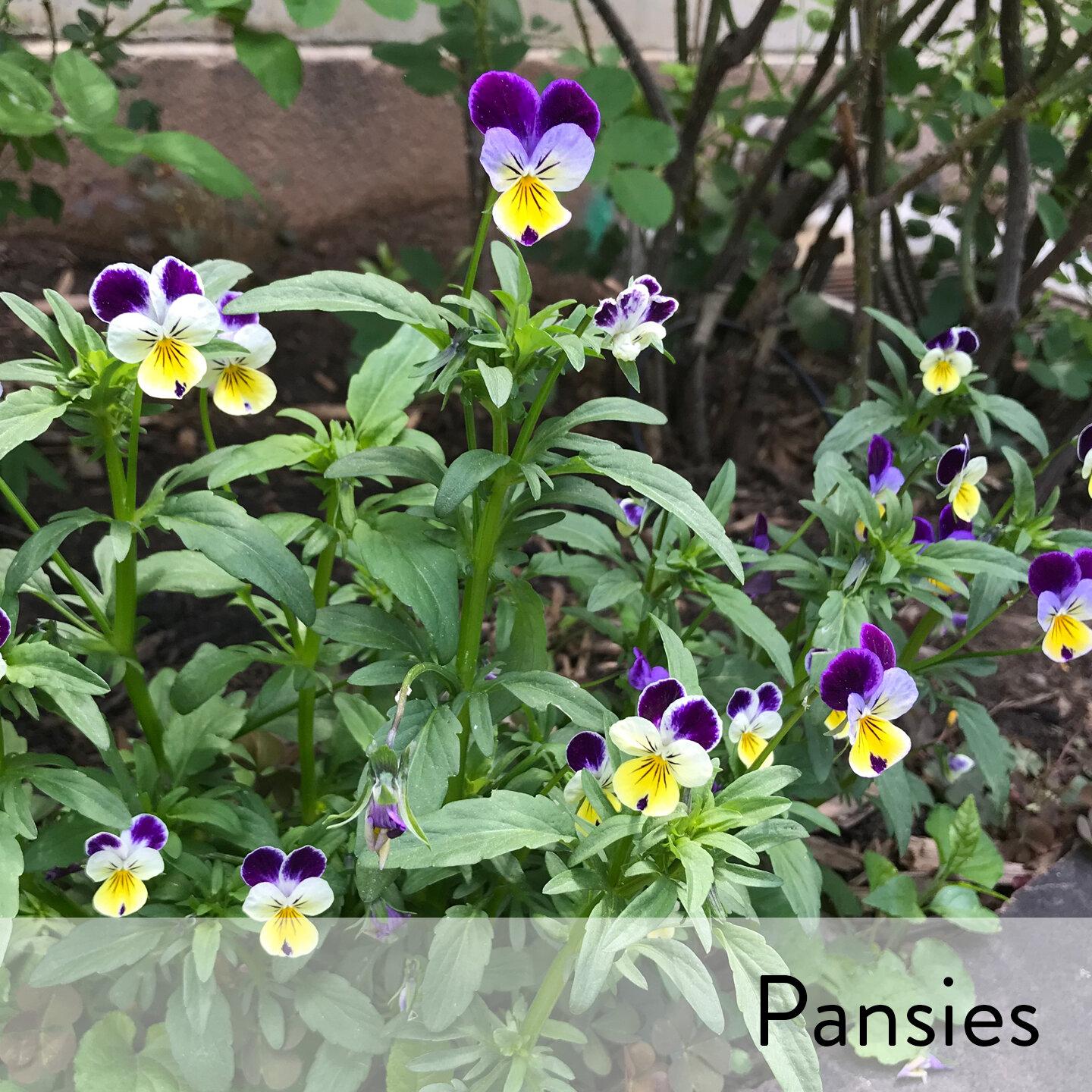
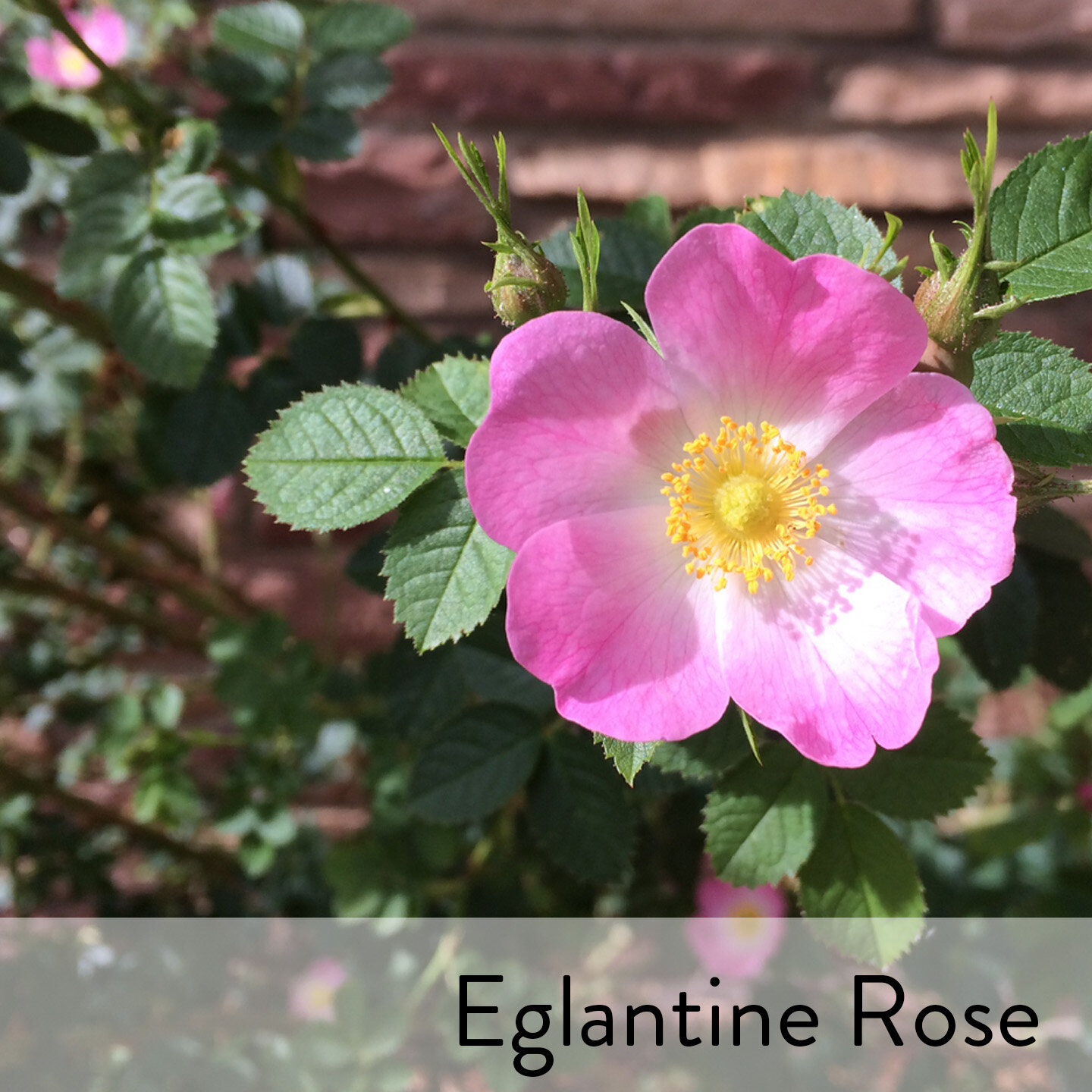
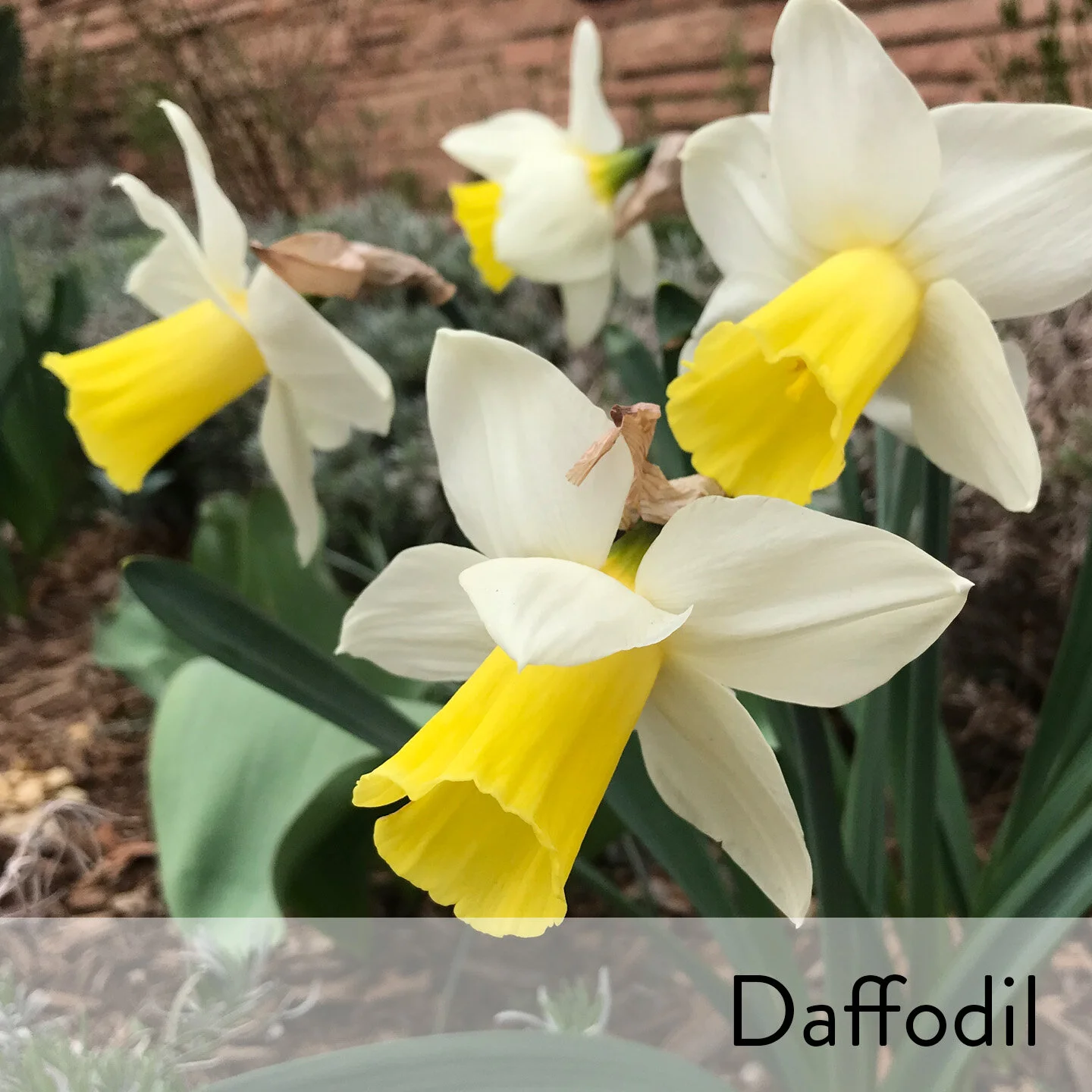
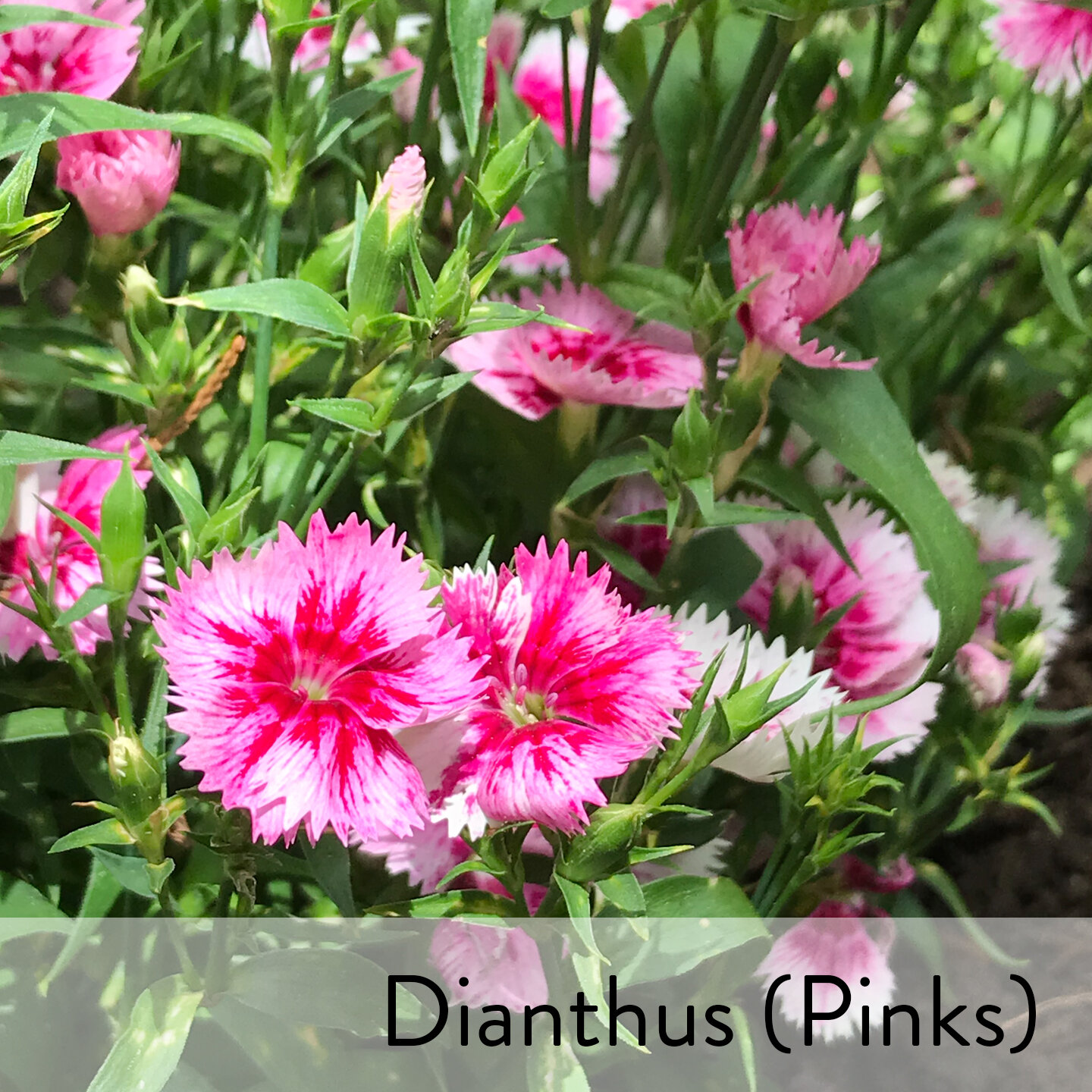
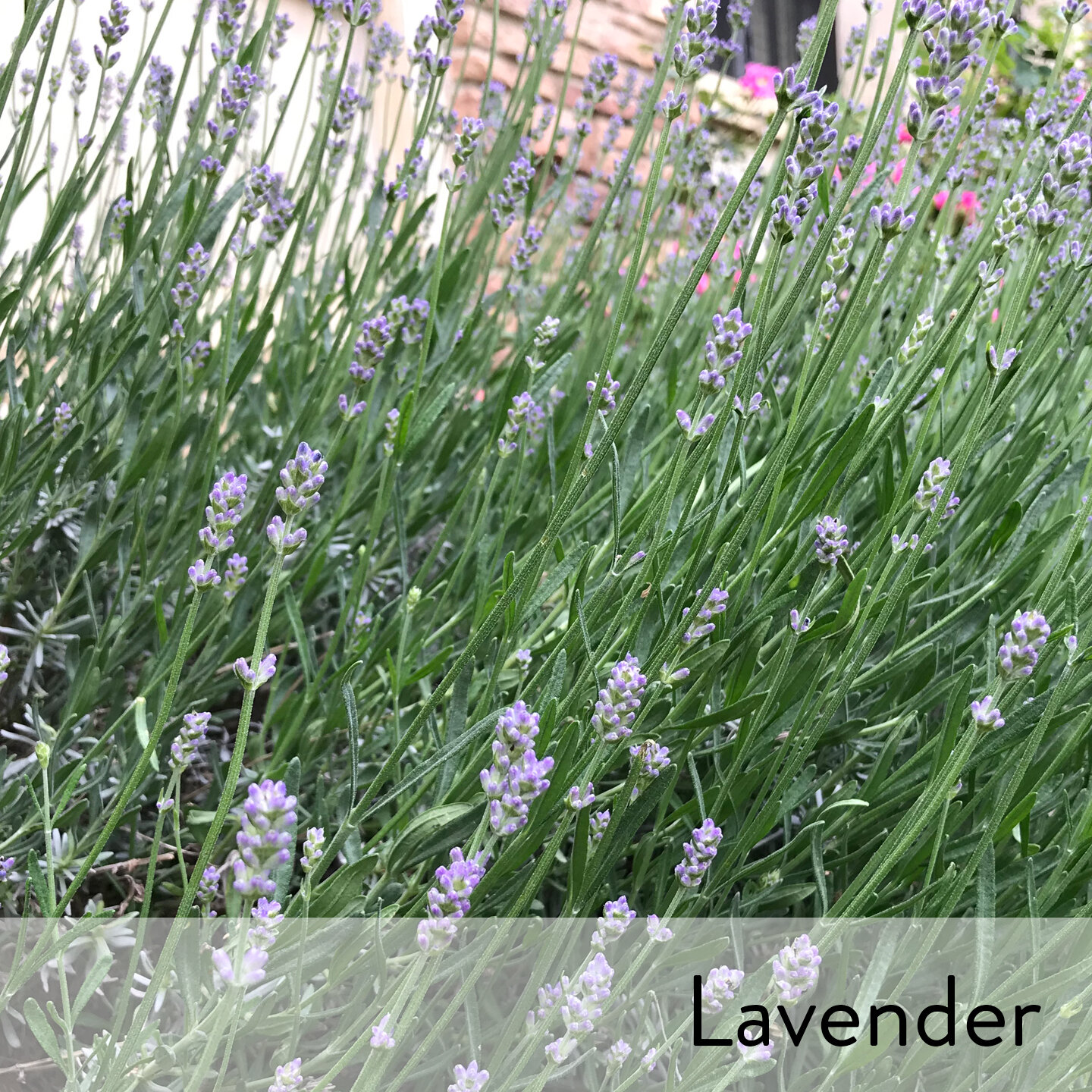
Among the thyme: dianthus (called "pinks" in Shakespeare's time), lavender, tiny daffodils, miniature roses, and pansies—the little Viola tricolor also called heart's-ease and love-in-idleness. In Hamlet, Ophelia says "And here is pansies; that's for thoughts." The name comes from French penser, to think. The gardeners love this flower and let it seed itself everywhere.
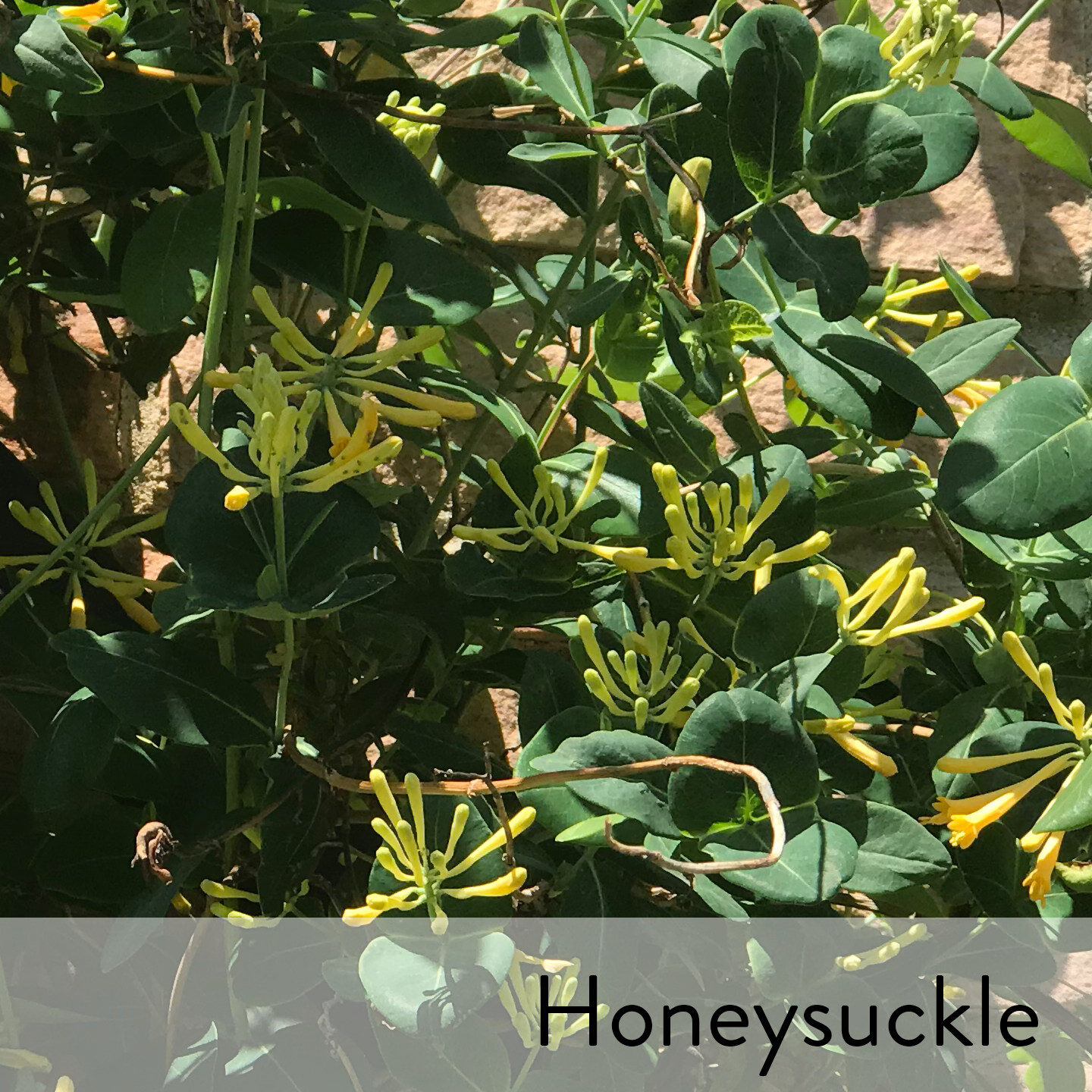
Honeysuckle (woodbine) climbs the wall behind the rock—a modern variety bred for larger flowers and longer blooming. In A Midsummer Night's Dream, Titania tells Bottom:
Sleep thou, and I will wind thee in my arms...
So doth the woodbine and the sweet honeysuckle
Gently entwist.
Shakespeare's honeysuckle bloomed briefly each year. This one blooms all summer. There's an older, more fragrant variety in the Much Ado About Nothing garden—but sweet-smelling plants release their best scent at dusk, not in full sun. Come back when daylight fades.
This garden says: start here. Know where the wild thyme blows. Then go explore the rest.
Special thanks to longtime CSF supporter and thespian Chuck Wilcox for voicing the part of The Bard in our video series. Full production credits available here. All photos copyright Colorado Shakespeare Group except those in the public domain, published under Creative Commons (CC) licensing. For more information on (CC) artwork in this video, click here.
Enjoy this slideshow of the plants we have in our Founder’s Garden: