The Wars of the Roses Garden
The Wars of the Roses lasted thirty years (1455-1485)—civil war between two houses of royal blood, Lancaster and York. Families wore roses as badges to declare their loyalty. White rose for York. Red rose for Lancaster. The war didn't end until Henry Tudor married Elizabeth of York and united the houses.
Shakespeare dramatizes the beginning of the conflict in Henry VI, Part I with a garden scene. Richard Plantagenet (later Duke of York) says:
Let him that is a true-born gentleman
And stands upon the honour of his birth...
From off this brier pluck a white rose with me.
The Earl of Somerset replies for Lancaster:
Let him that is no coward and no flatterer
But dare maintain the party of the truth,
Pluck a red rose from off this thorn with me.
The challenge is issued. The war begins.
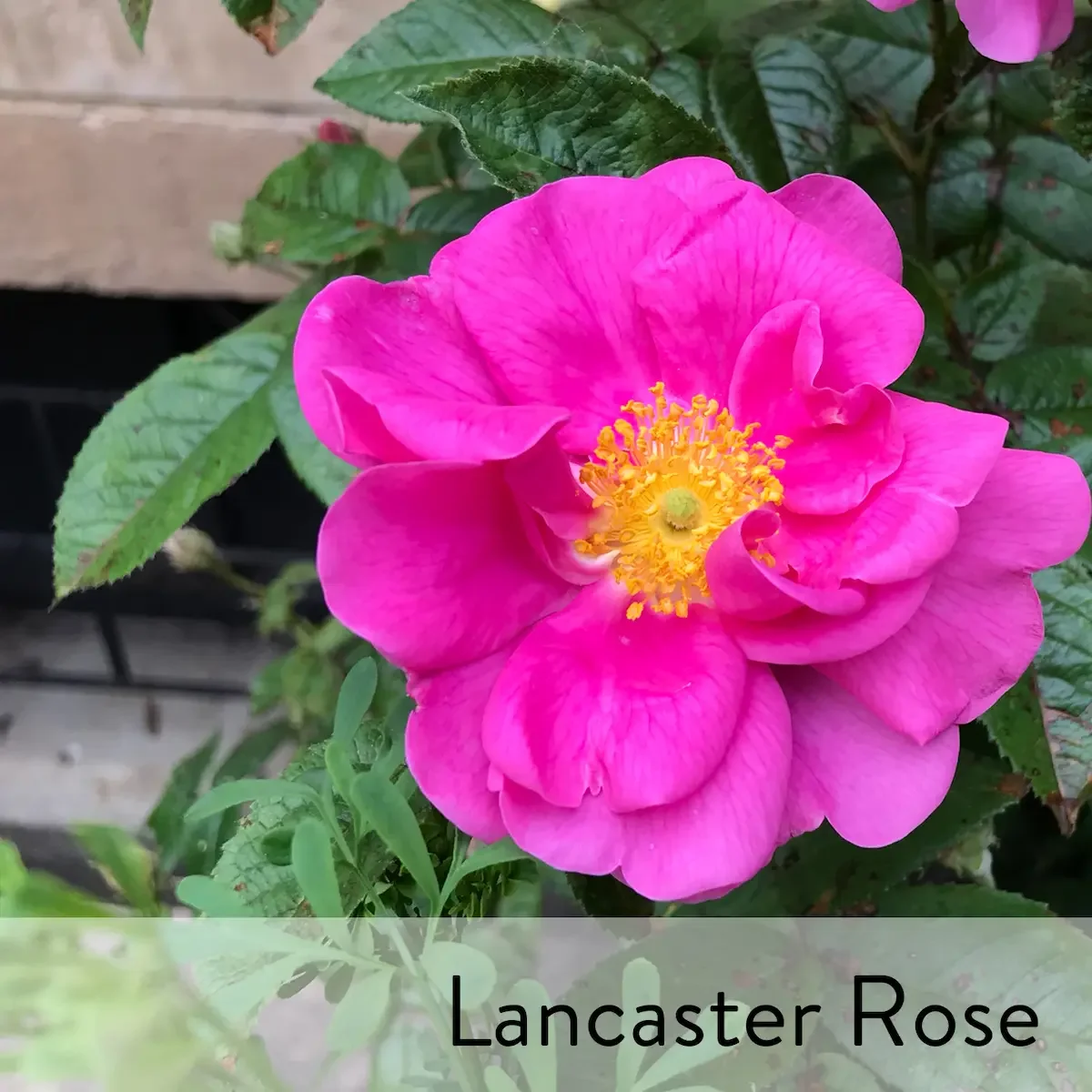
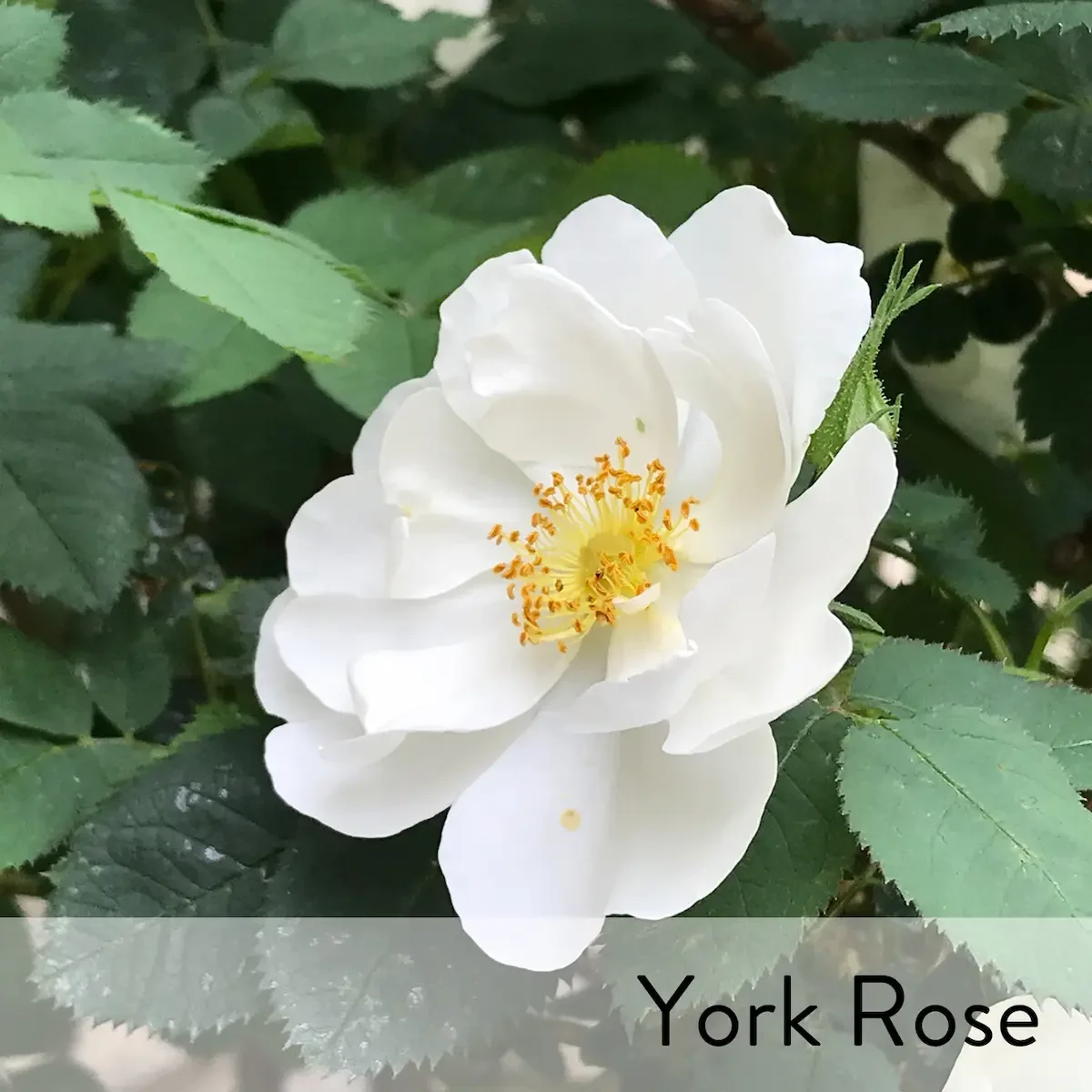
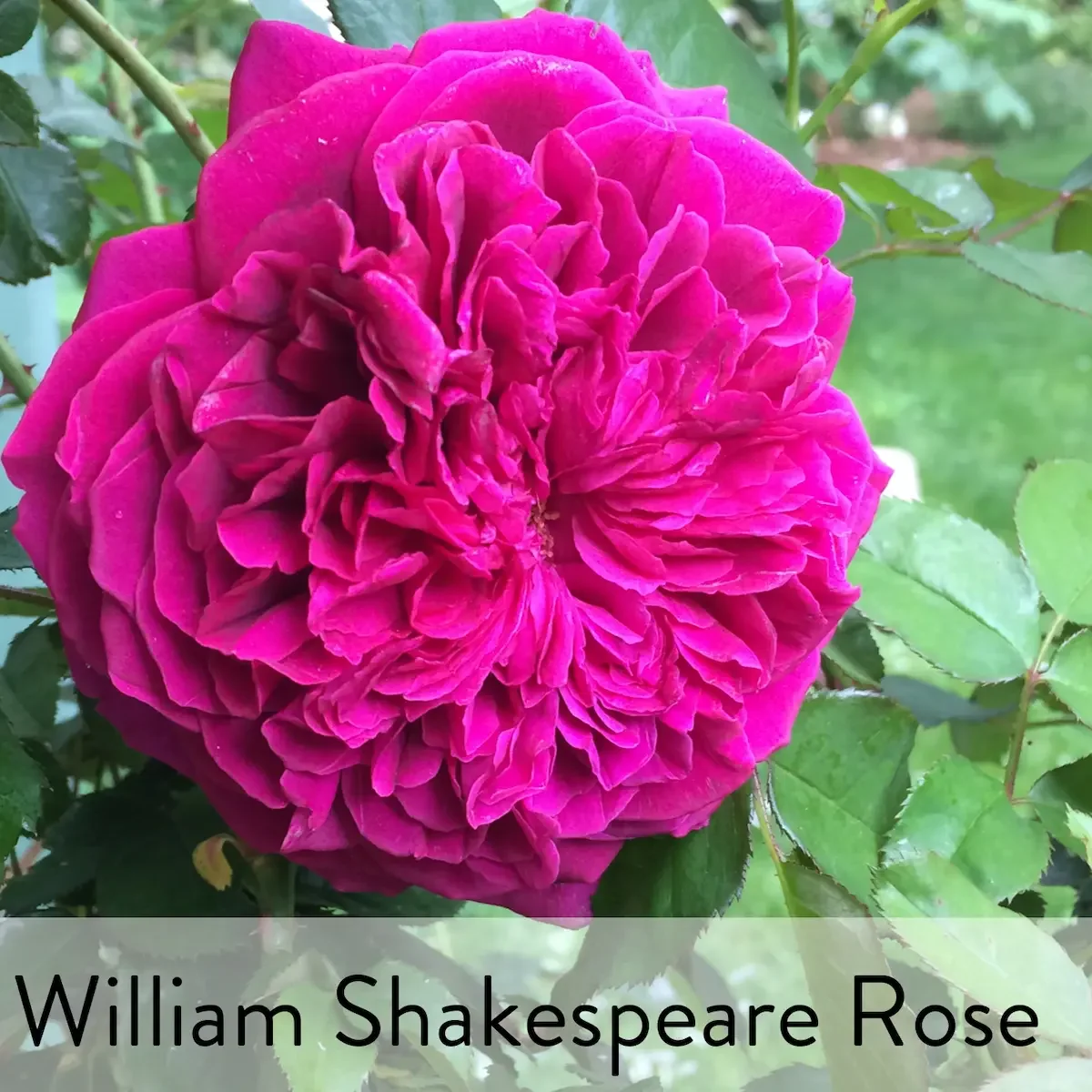
The white rose of York is a climbing rose, naturalized in England, twining itself through orchard trees. The red rose of Lancaster—rosa gallica, the French rose—is a hardy four-foot shrub, also called the Apothecary rose for its use in medicines, balms, and perfumes.
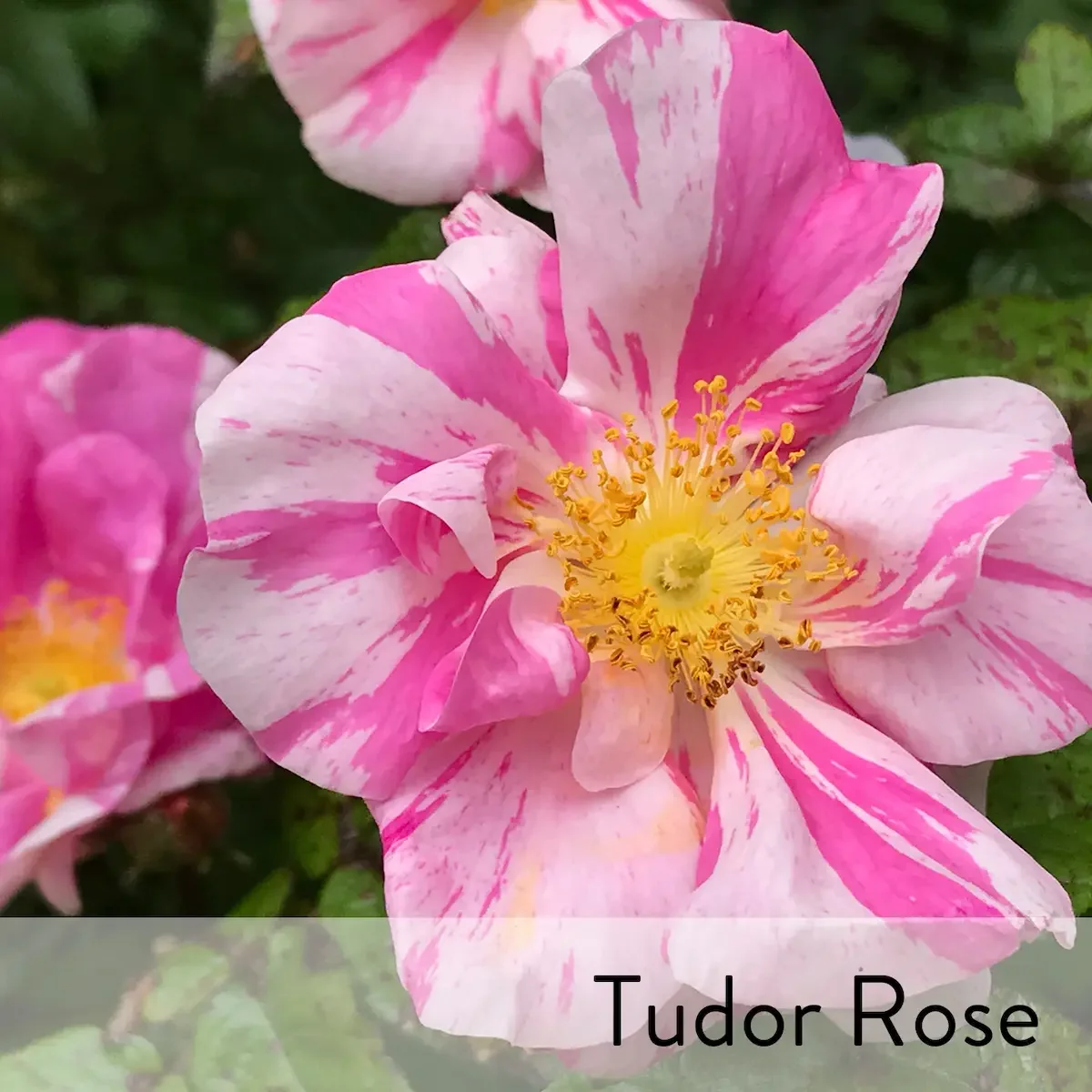
When Henry Tudor became Henry VII, he created a new rose to symbolize the united houses: Rosa damascena "Versicolor"—the York and Lancaster rose, later called the Tudor rose. One plant that produces white blooms, red blooms, and red-and-white streaked blooms, all on the same wood. At the end of Richard III, Henry Tudor declares: "We will unite the white rose and the red." It remains the flower emblem of England today.
The wars Shakespeare's audience remembered weren't ancient history—they were family memory. Parents and grandparents had lived through them. The Tudor rose was still everywhere, a reminder that the peace was recent, hard-won, and fragile. When you see three roses growing on one stem, you're looking at a political promise made in flowers.
The Story, Told in Plants
For thirty years, two royal houses declared their loyalties with flowers — a white rose for York, a red rose for Lancaster. When the wars ended, the Tudor king settled the matter with a single rose that blooms in both colors on the same branch. And the name of the dynasty that preceded them both? It means broom plant.
This video was created by members of the Colorado Shakespeare Gardens and narrated by longtime CSF actor Chuck Wilcox
For more information on (CC) artwork in this video, click here.
Not every plant from Shakespeare’s England will grow in Colorado.
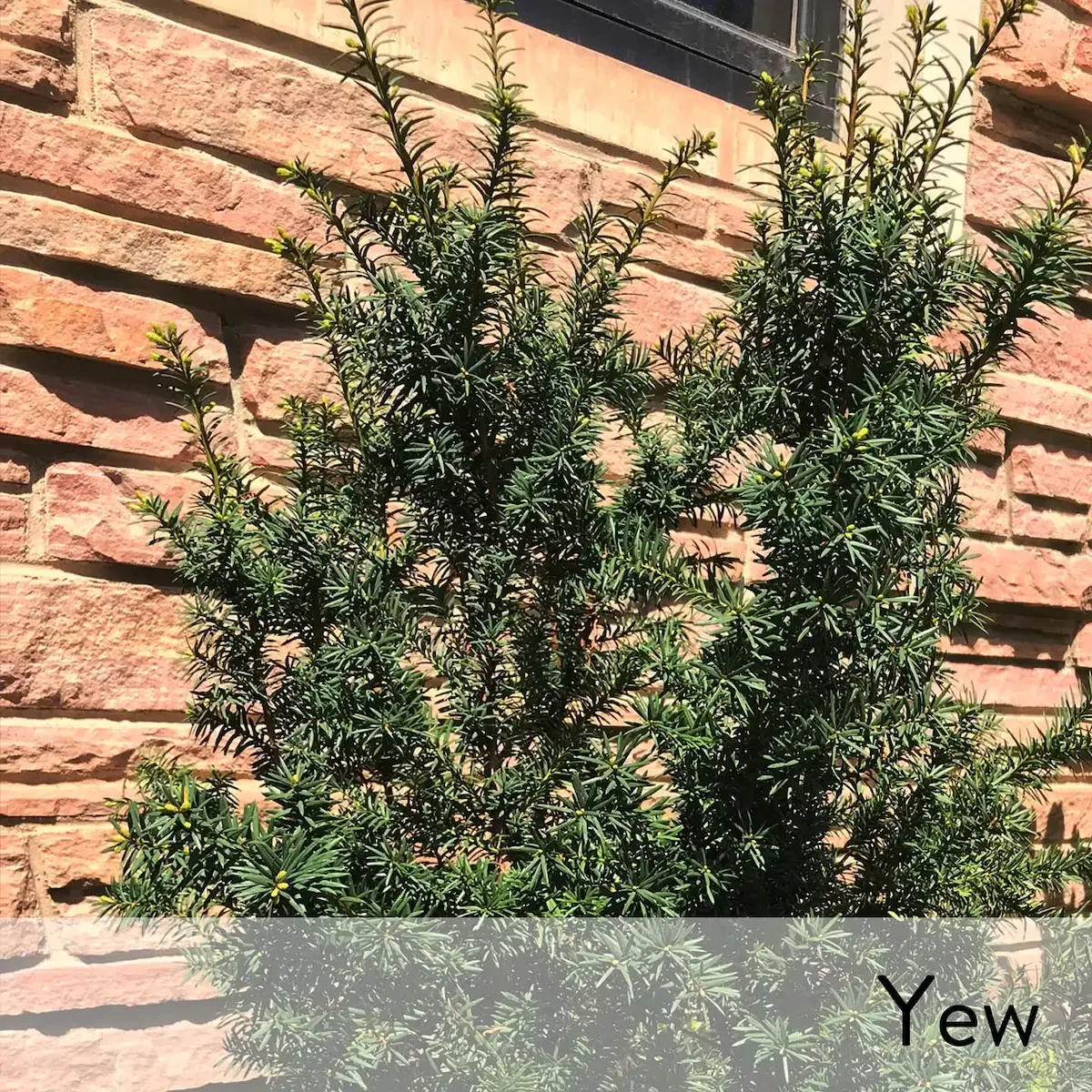
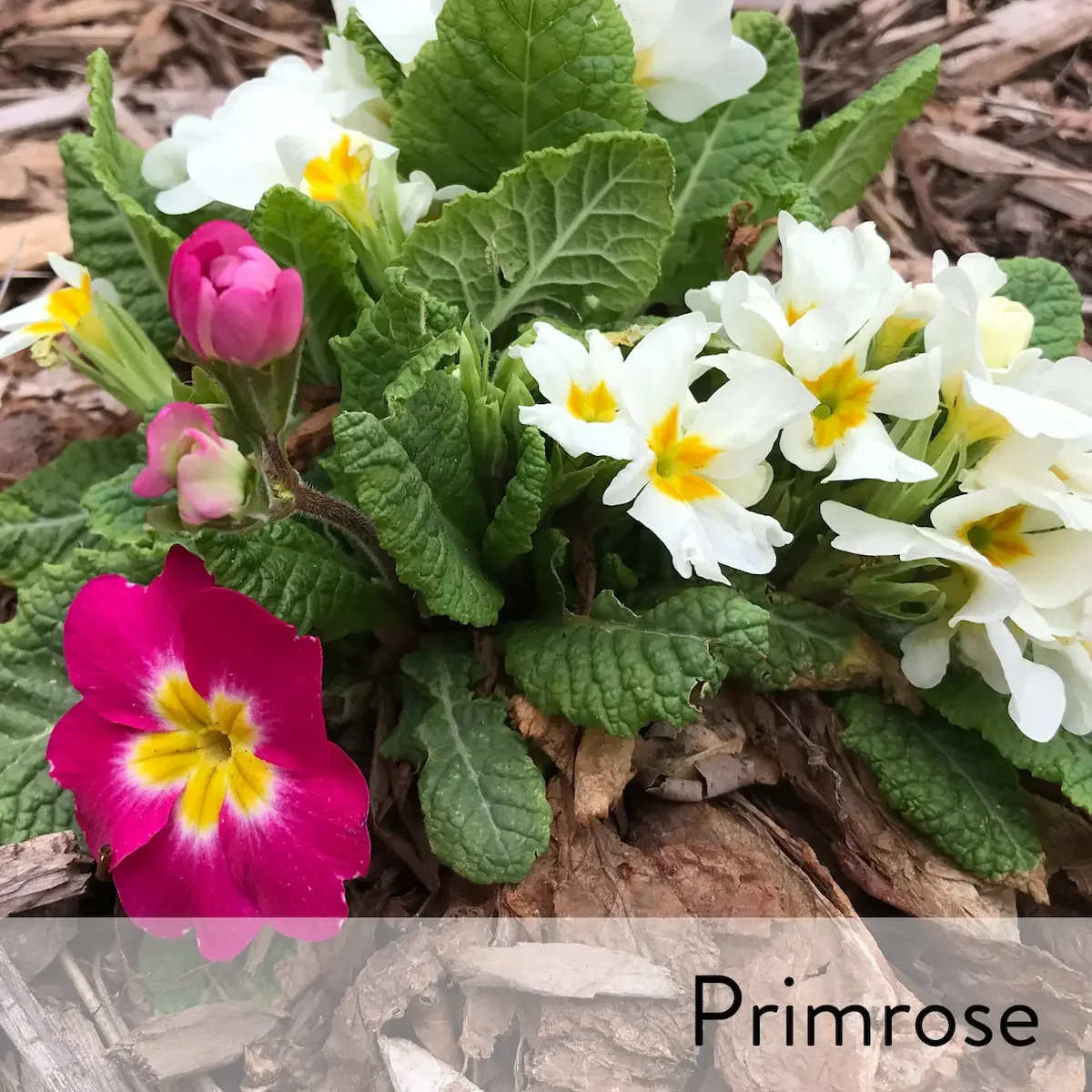
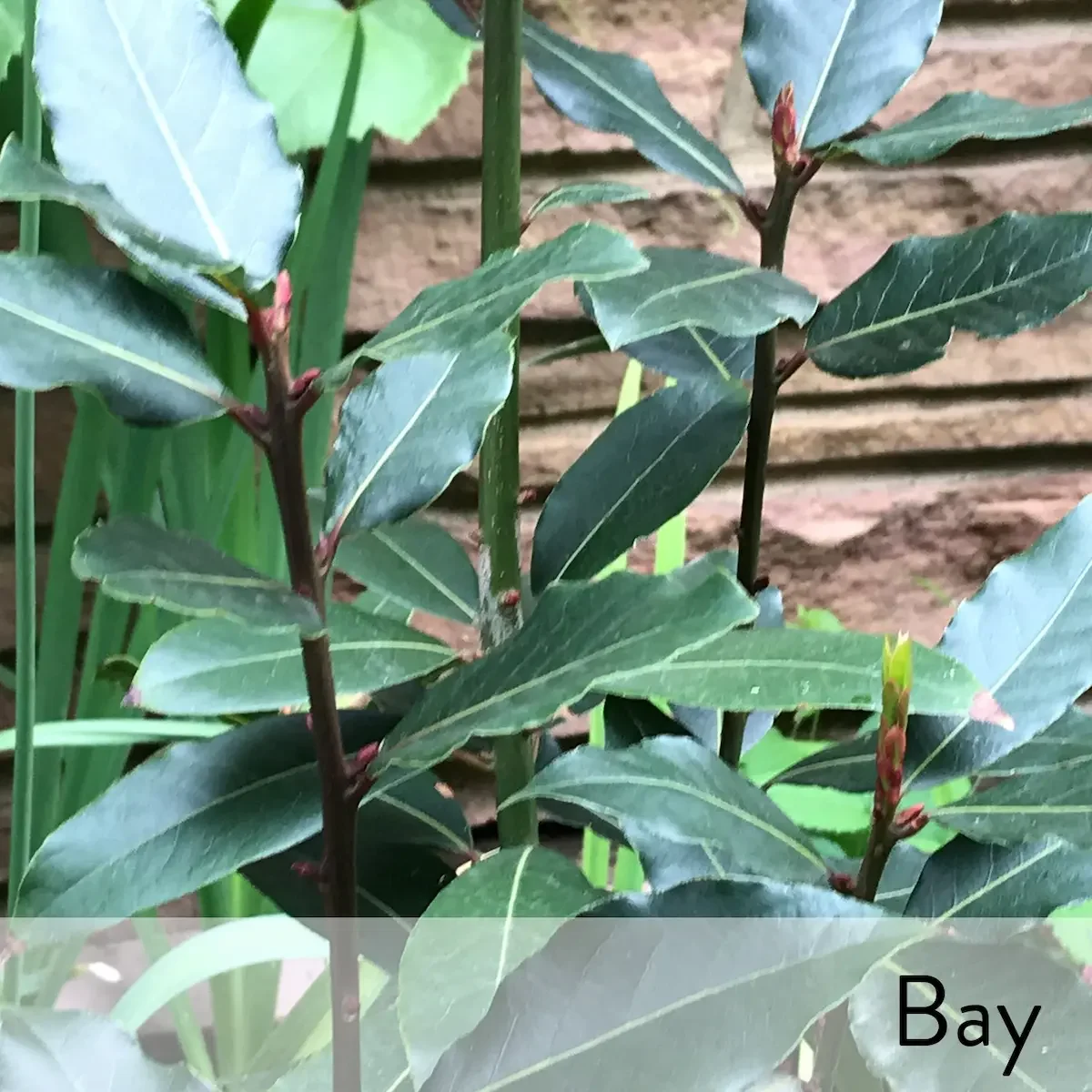
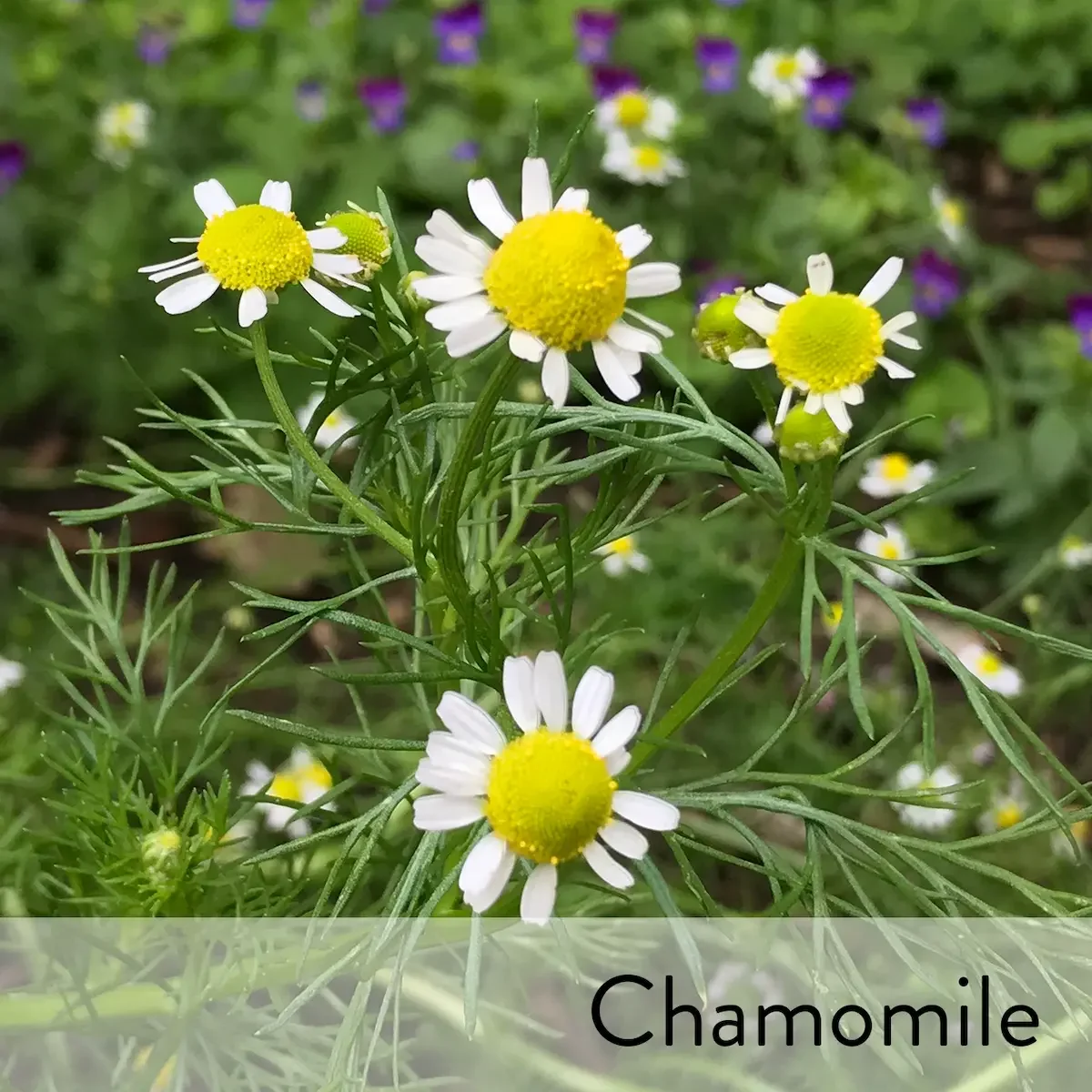
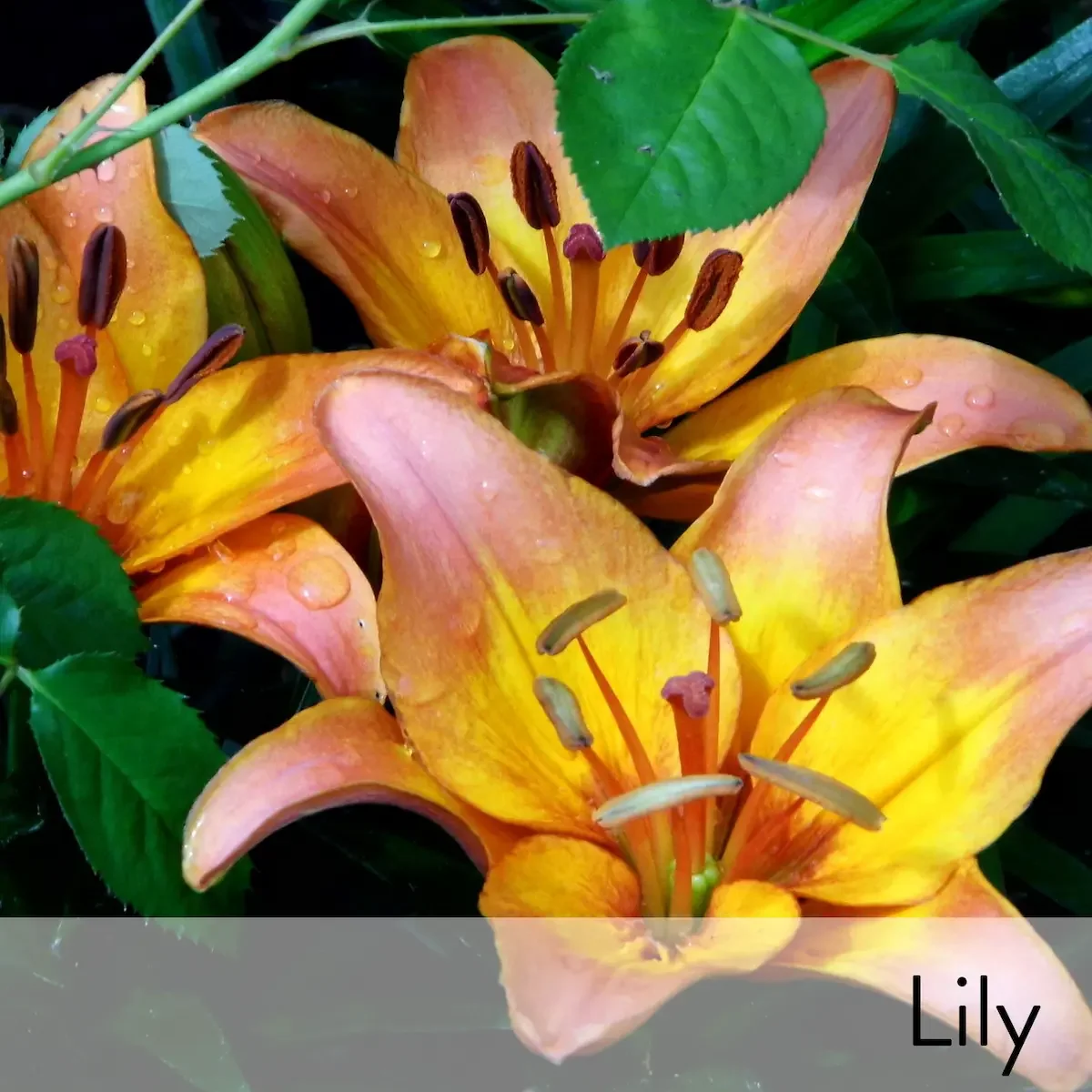
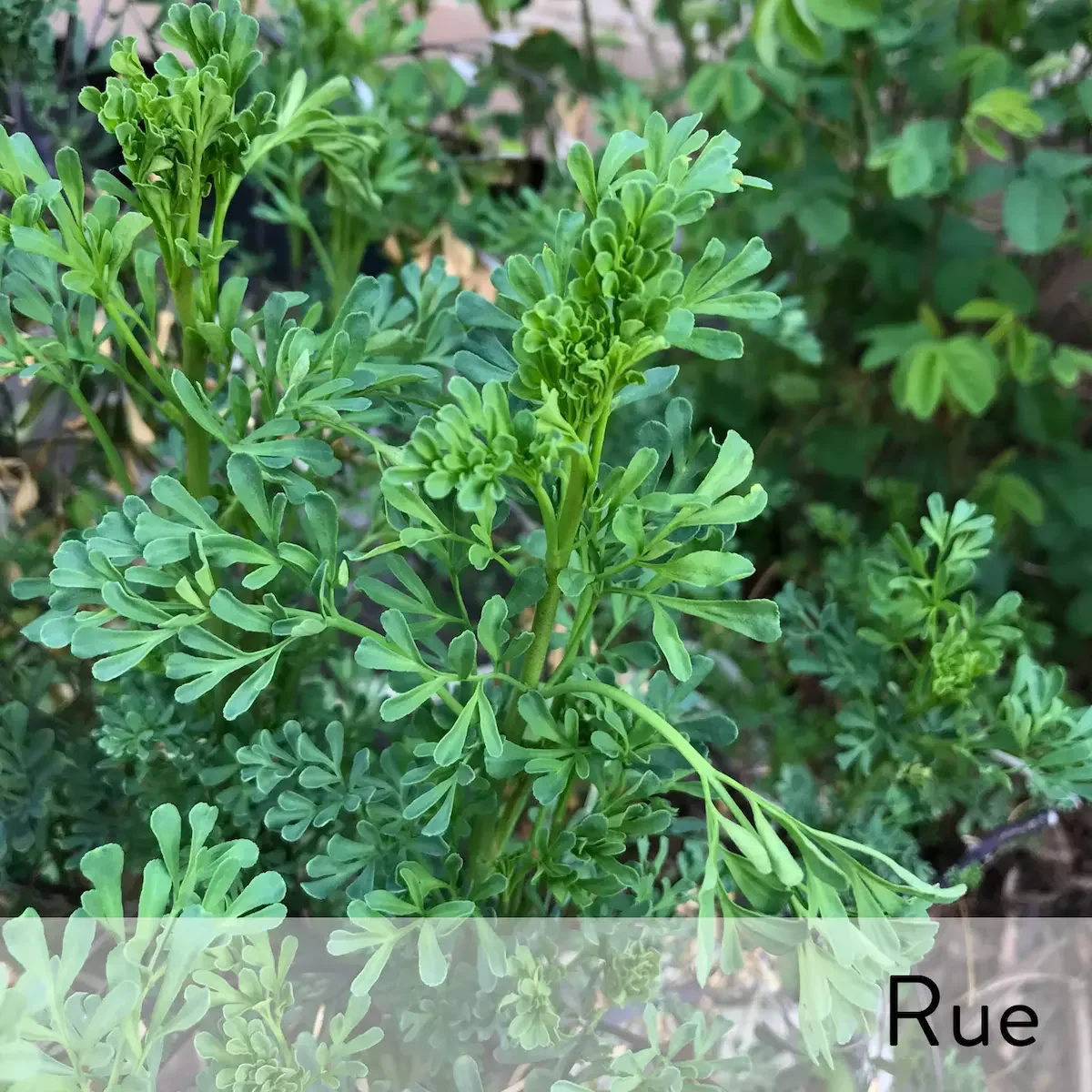
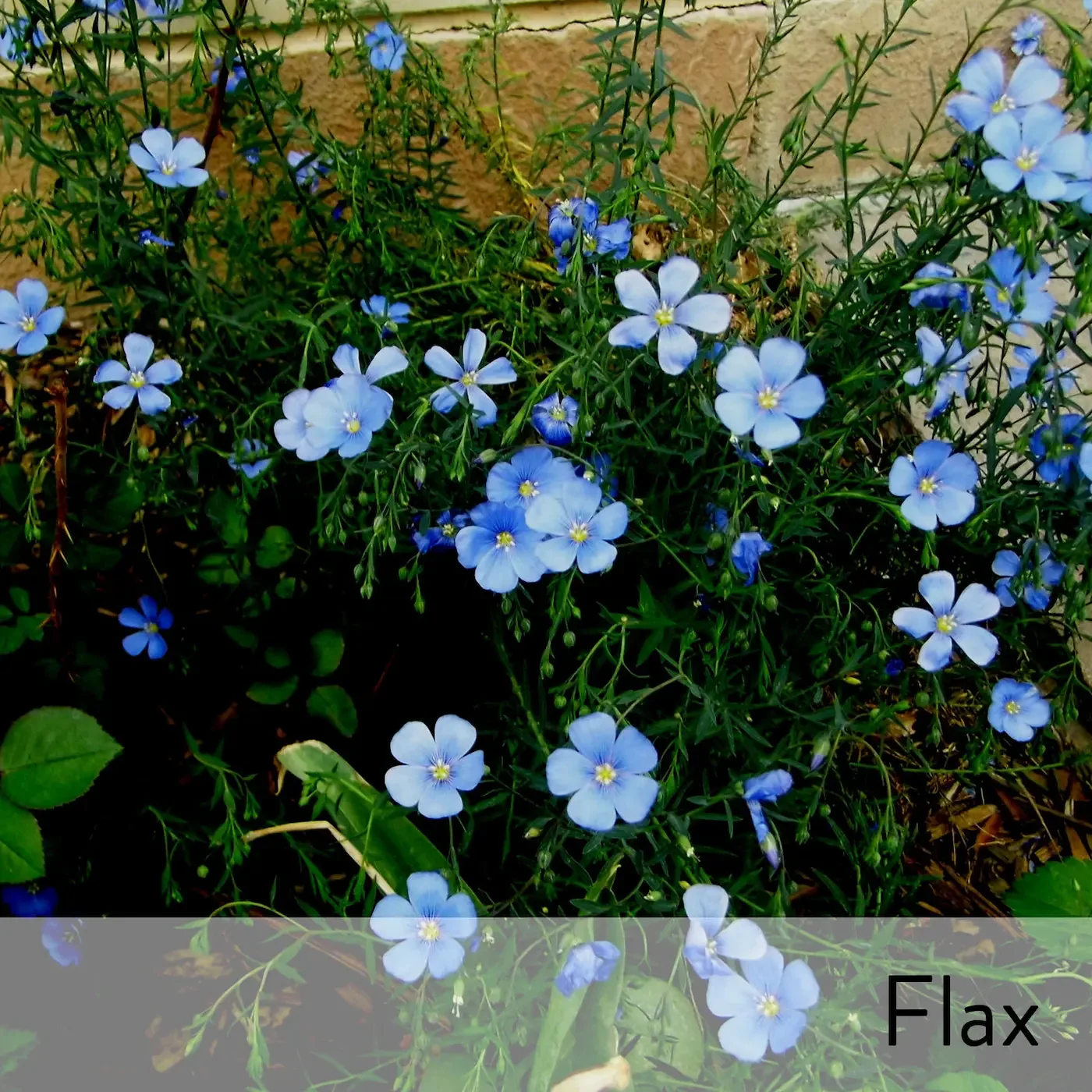
These are the ones that do; currently growing in our Wars of the Roses garden.
Curious about a specific plant?
Visit our Plant Library for the full story.