The Taming of the shrew
In The Taming of the Shrew, Petruchio's strategy for "taming" Katherine is straight out of falconry—keep her confused, off-balance, until she learns new patterns. And he explains it using plants.
Before he even meets her, he's got his script ready:
Say that she frown,
I'll say she looks as clear
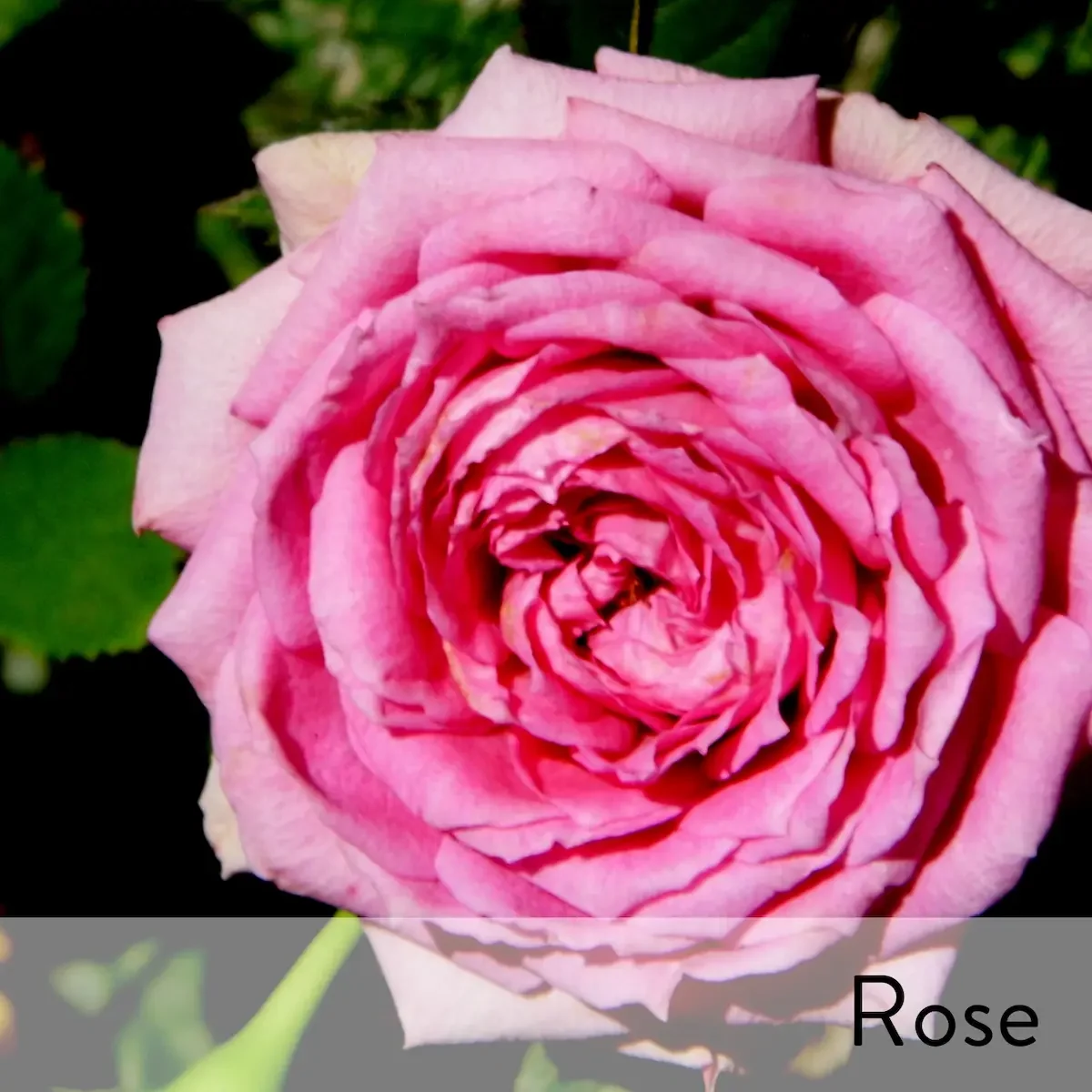
As morning roses newly washed with dew.
He'll call her delicate, beautiful, fragile—everything she's not. But when they actually meet, he switches tactics. She's angry and sharp, so he praises her as "straight and slender" like a hazel twig,
as brown in hue
As hazelnuts and sweeter than the kernels.
Hazel is flexible, useful, strong—not ornamental. He keeps changing which plant she is until she can't predict what he'll do next.
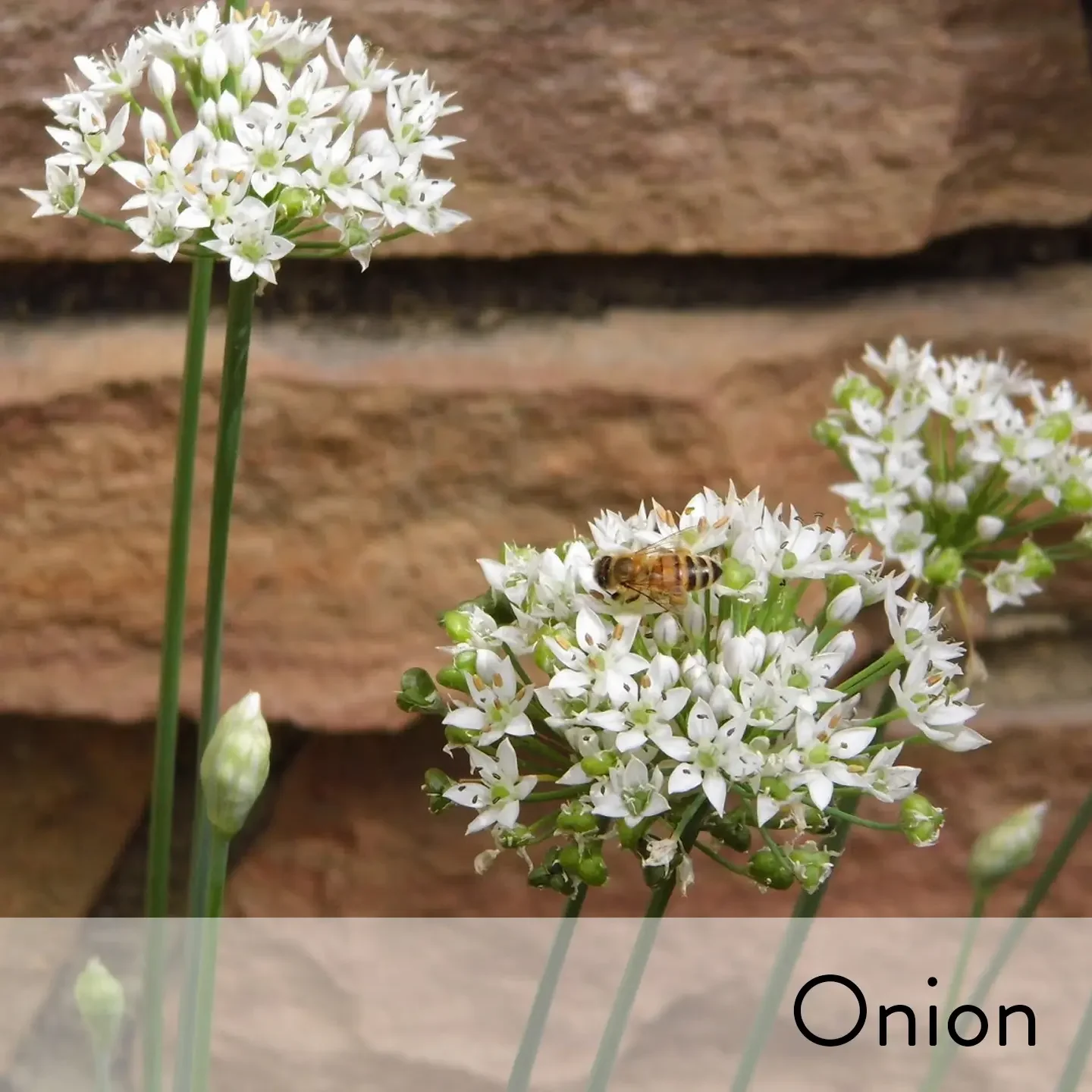
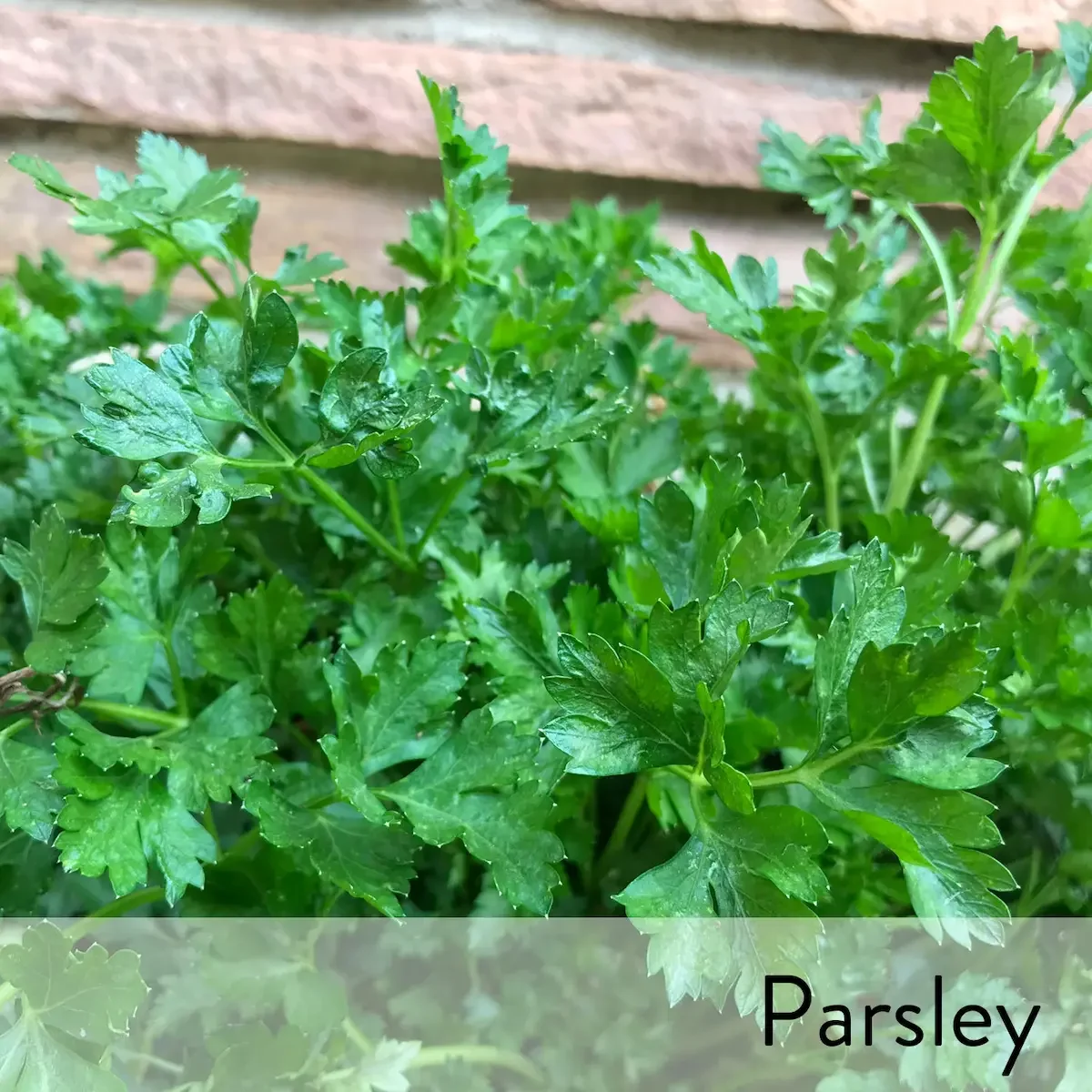
The play is full of ordinary, practical plants—onions, parsley, mustard—things from the kitchen garden, not the formal flower bed. This isn't about cultivating a prize rose. It's about daily life, about what actually sustains you.
By the end, when Katherine gives her famous speech about wifely obedience, she uses her own plant metaphor: women are like plants that need protection from the weather. It's an uncomfortable ending for modern audiences—but Shakespeare built the whole play on the question of whether people are plants you can cultivate, or whether they grow wild no matter what you do.
The falconers in Shakespeare's audience knew the answer: you can't actually tame a hawk. You can only teach it to choose to come back.
The Story, Told in Plants
Petruchio isn't taming Katherine — he's training a hawk. Shakespeare's audience understood the difference immediately: a broken hawk is worthless. Every plant in this play, from the chestnut bursting on the farmer's fire to the rush-candle on the floor, points toward two people learning to hunt together.
This video was created by members of the Colorado Shakespeare Gardens and narrated by longtime CSF actor Chuck Wilcox
For more information on (CC) artwork in this video, click here.
Not every plant Shakespeare mentioned will grow in Colorado.
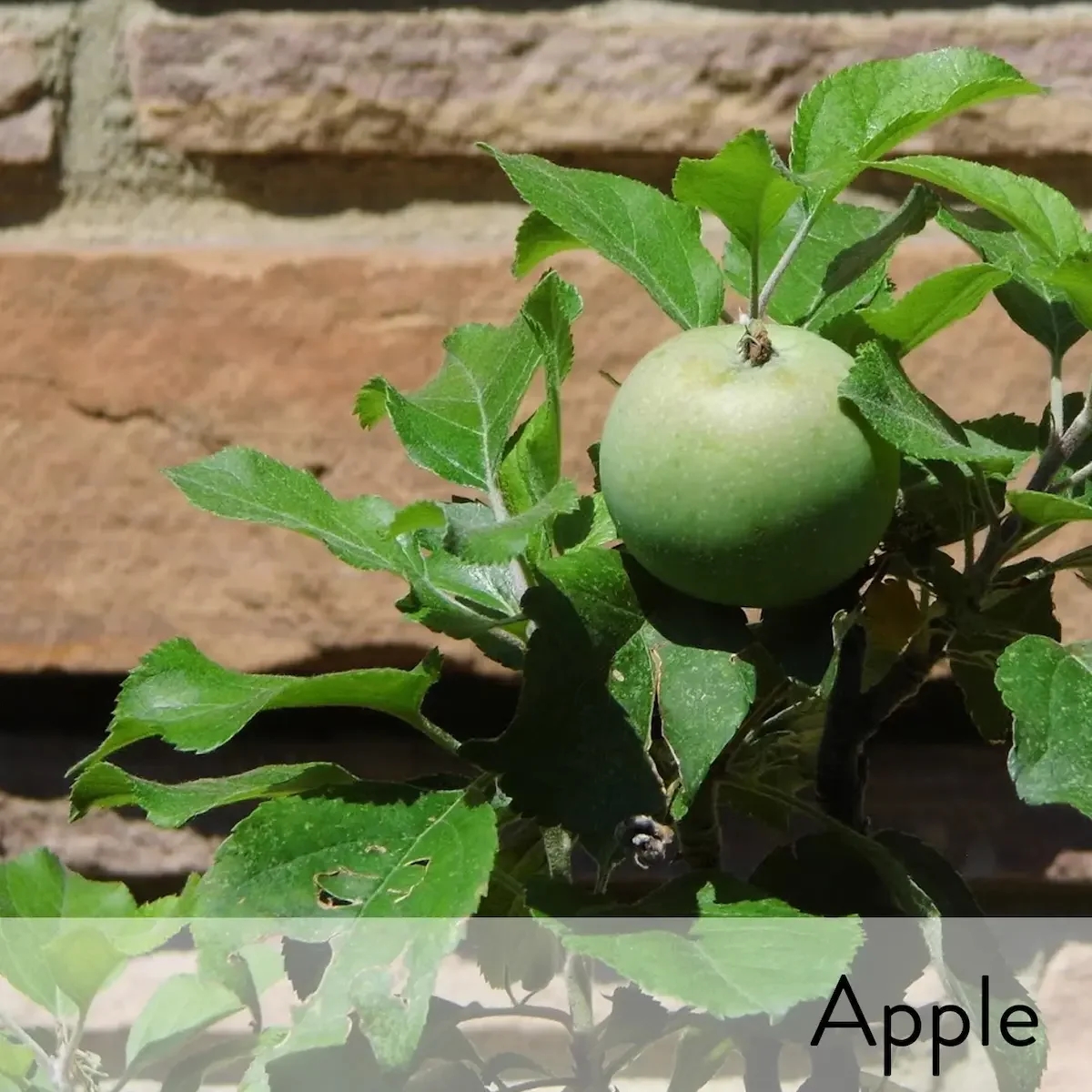
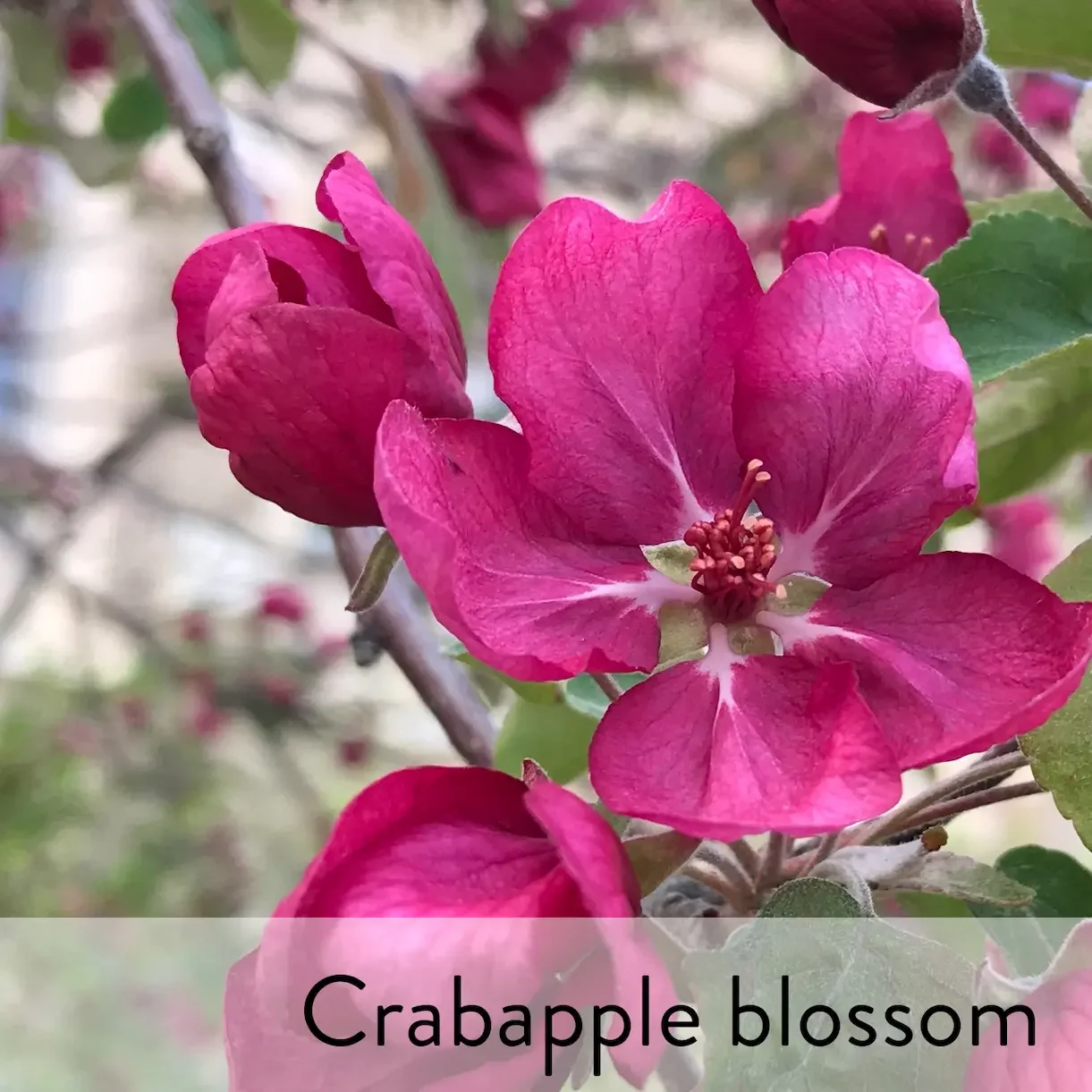
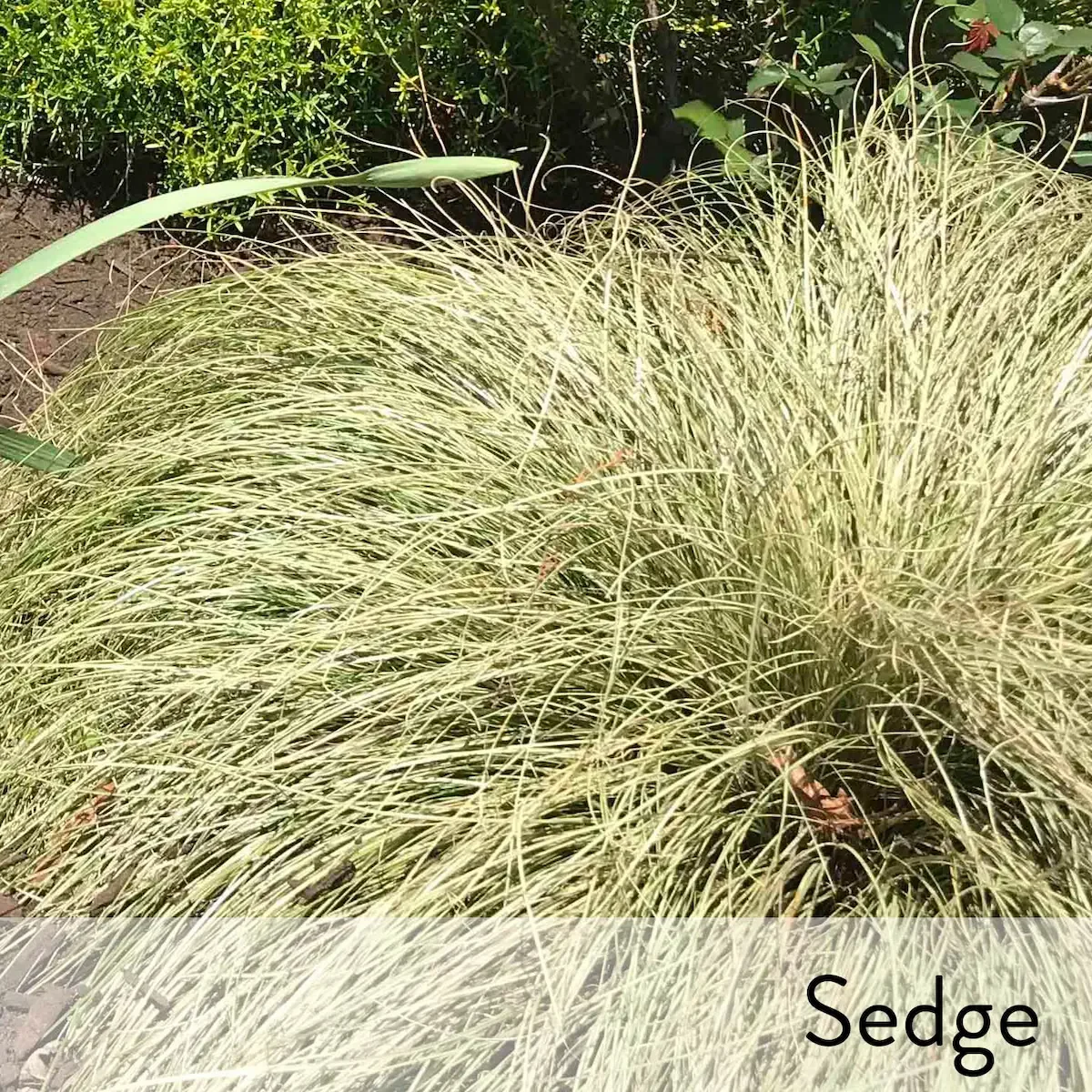
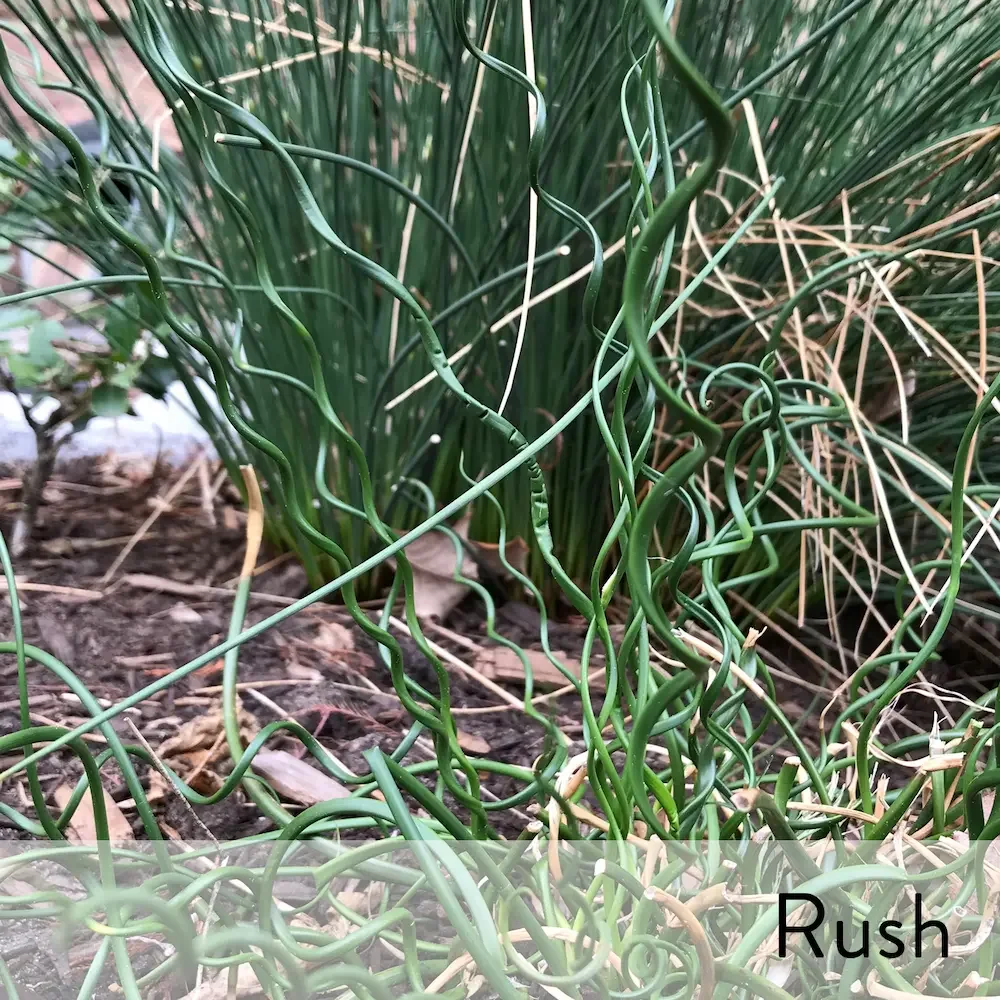
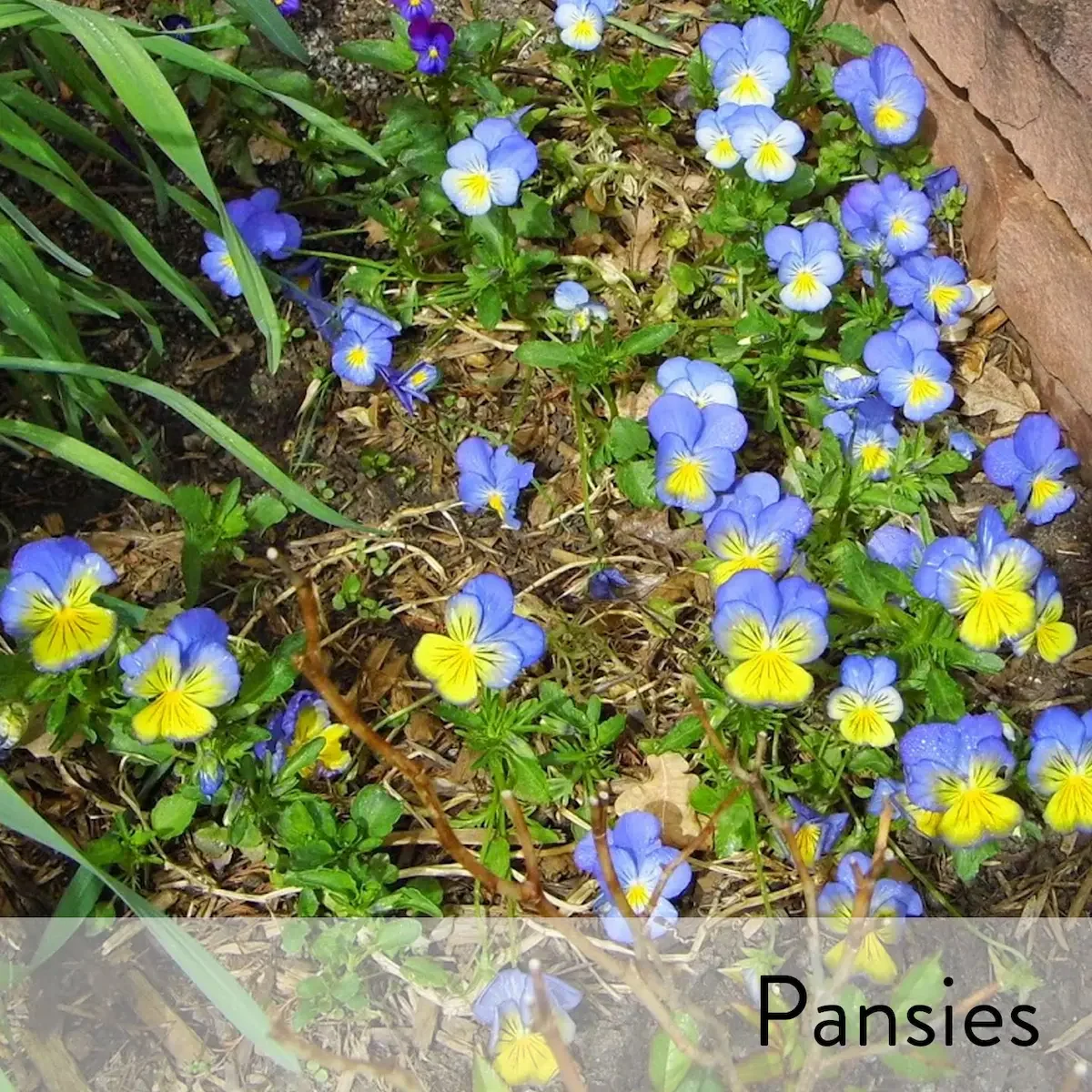
These are the ones that do; currently growing in our Taming of the Shrew garden.
Curious about a specific plant?
Visit our Plant Library for the full story.