Much Ado About Nothing
Much Ado About Nothing is all about misunderstanding, eavesdropping, and people believing what they think they've seen. The plants track every bit of it.
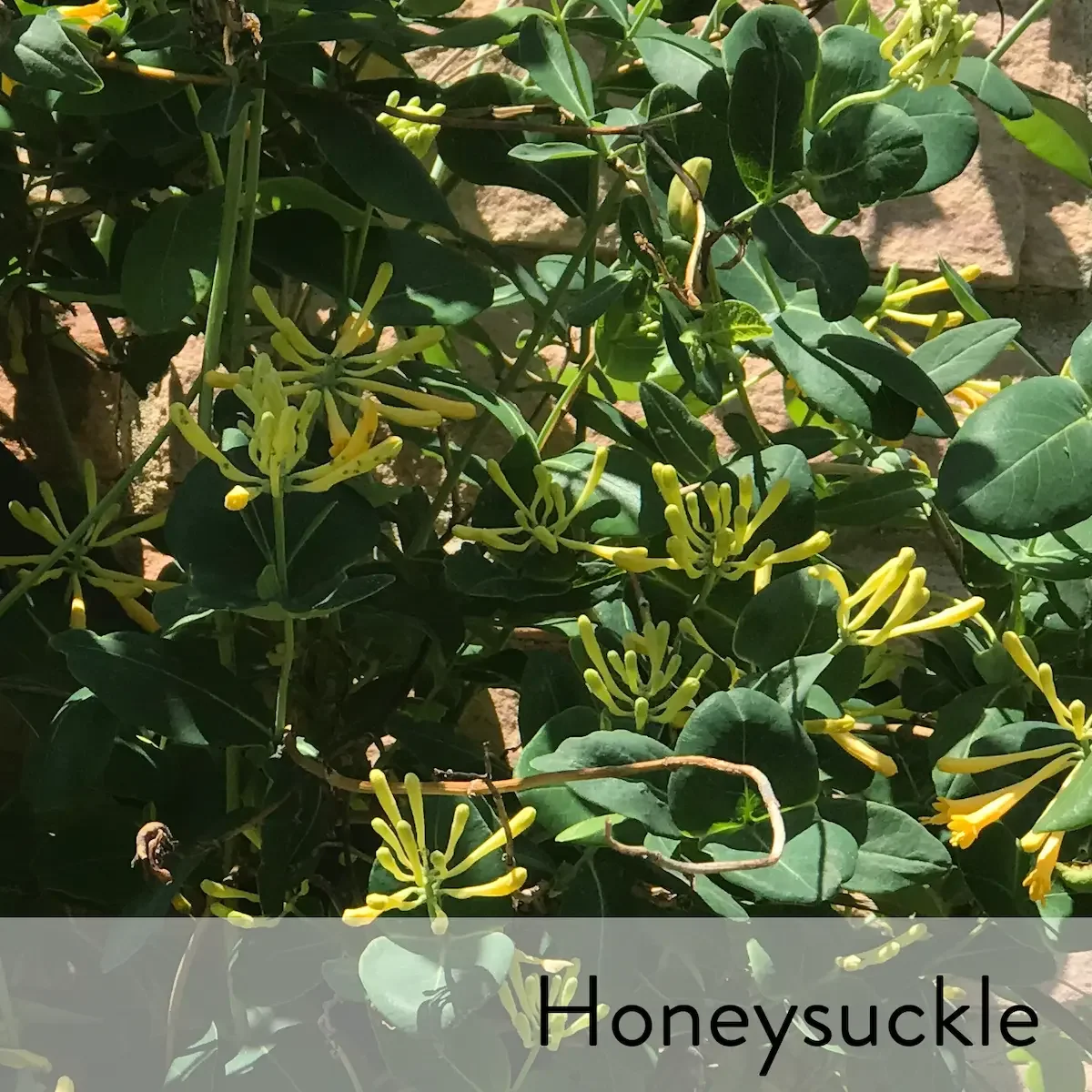
The most important plant in the play is woodbine (honeysuckle)—and the name itself is the joke. Beatrice mocks Claudio's lovesick poetry by mangling plant names:
I had rather hear my dog bark at a crow
than a man swear he loves me.
But when Benedick and Beatrice are tricked into falling for each other, they're both hiding in the garden, literally concealed by climbing vines, overhearing staged conversations about how the other secretly loves them. Woodbine and honeysuckle twist and tangle—just like the plot, just like the truth getting wrapped up in performance.
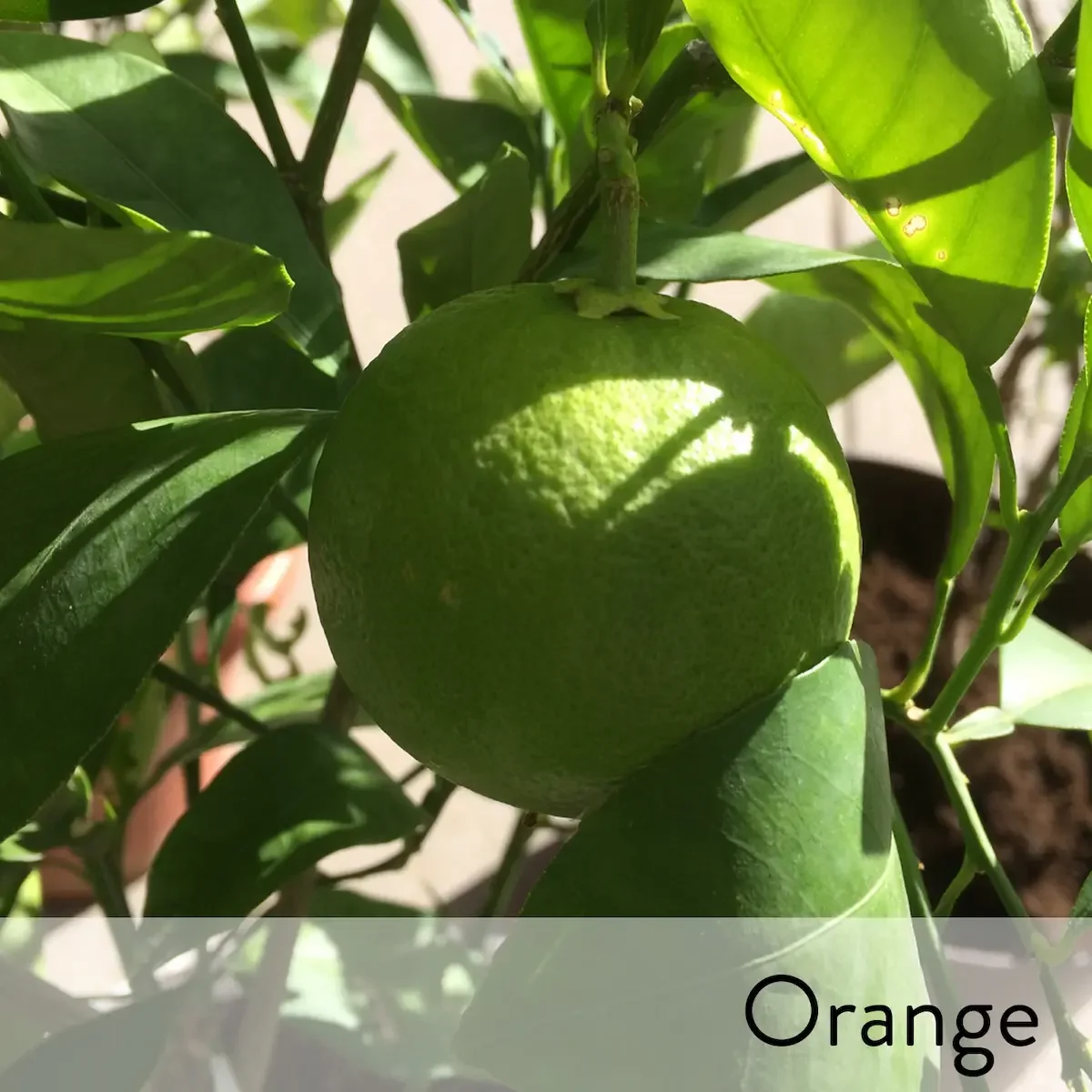
Then there are the oranges. In Elizabethan England, oranges were Seville oranges—too bitter to eat raw, only good for cooking. Beatrice says of marriage:
Would it not grieve a woman to be overmastered
with a piece of valiant dust?
She's comparing men to bitter fruit: impressive from a distance, inedible up close.
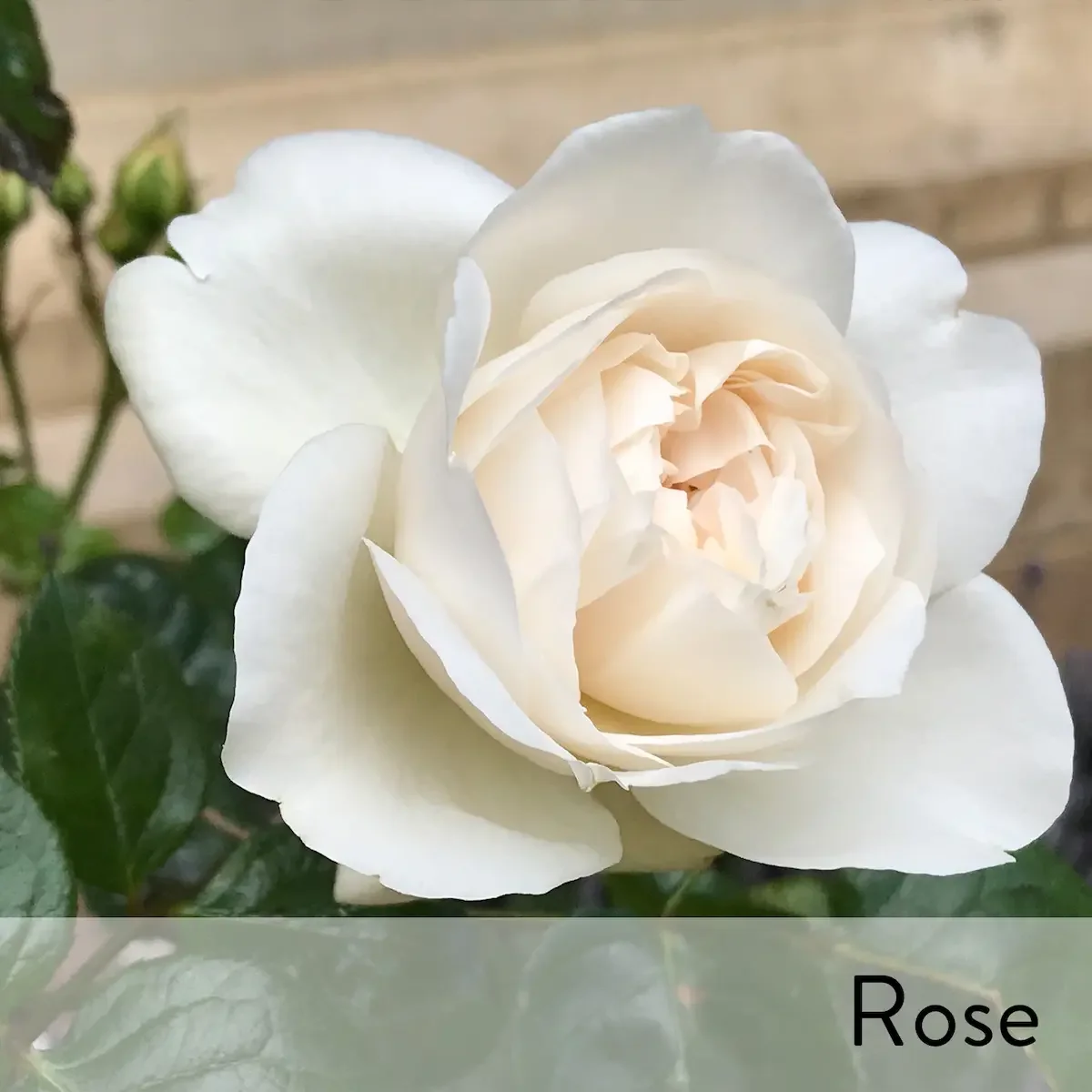
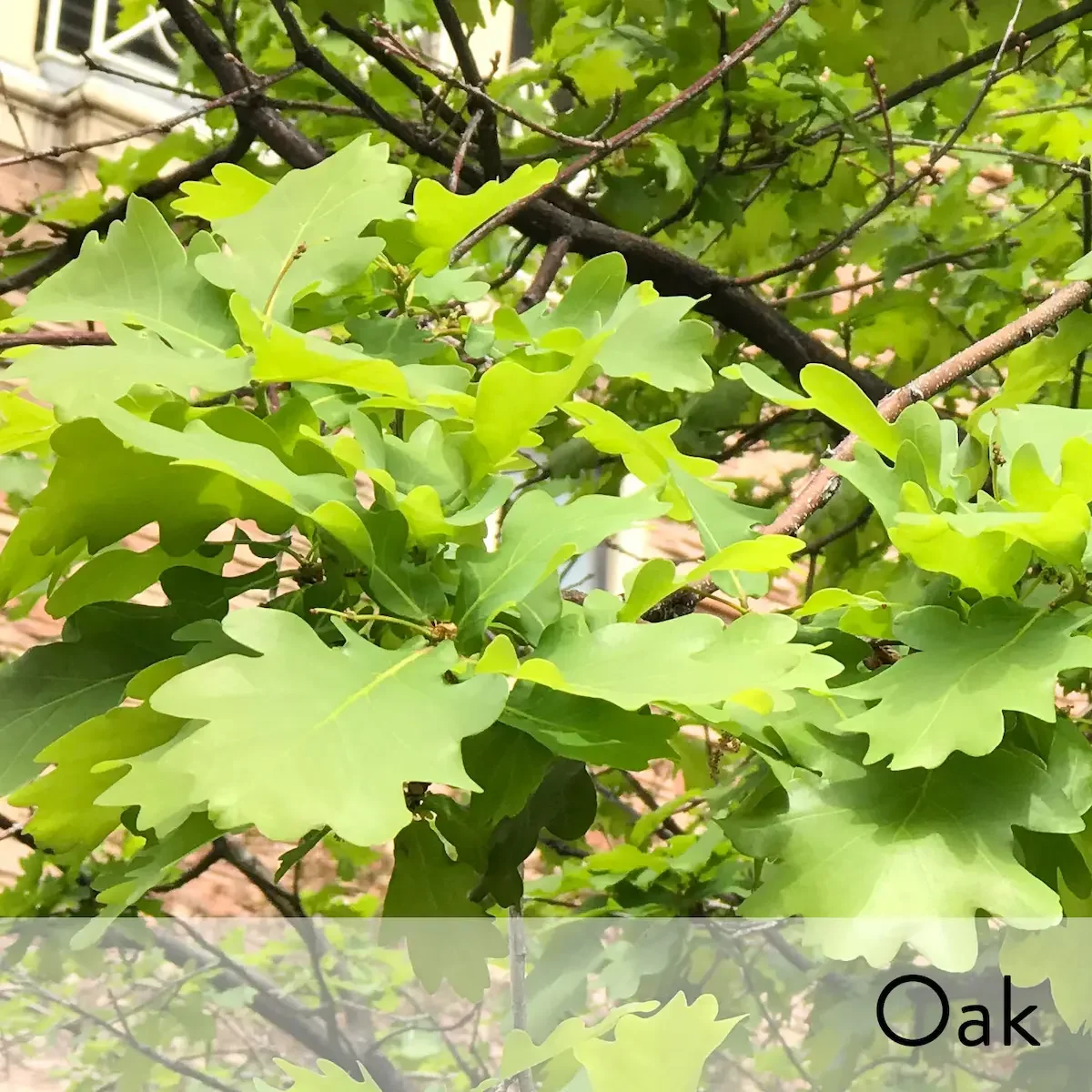
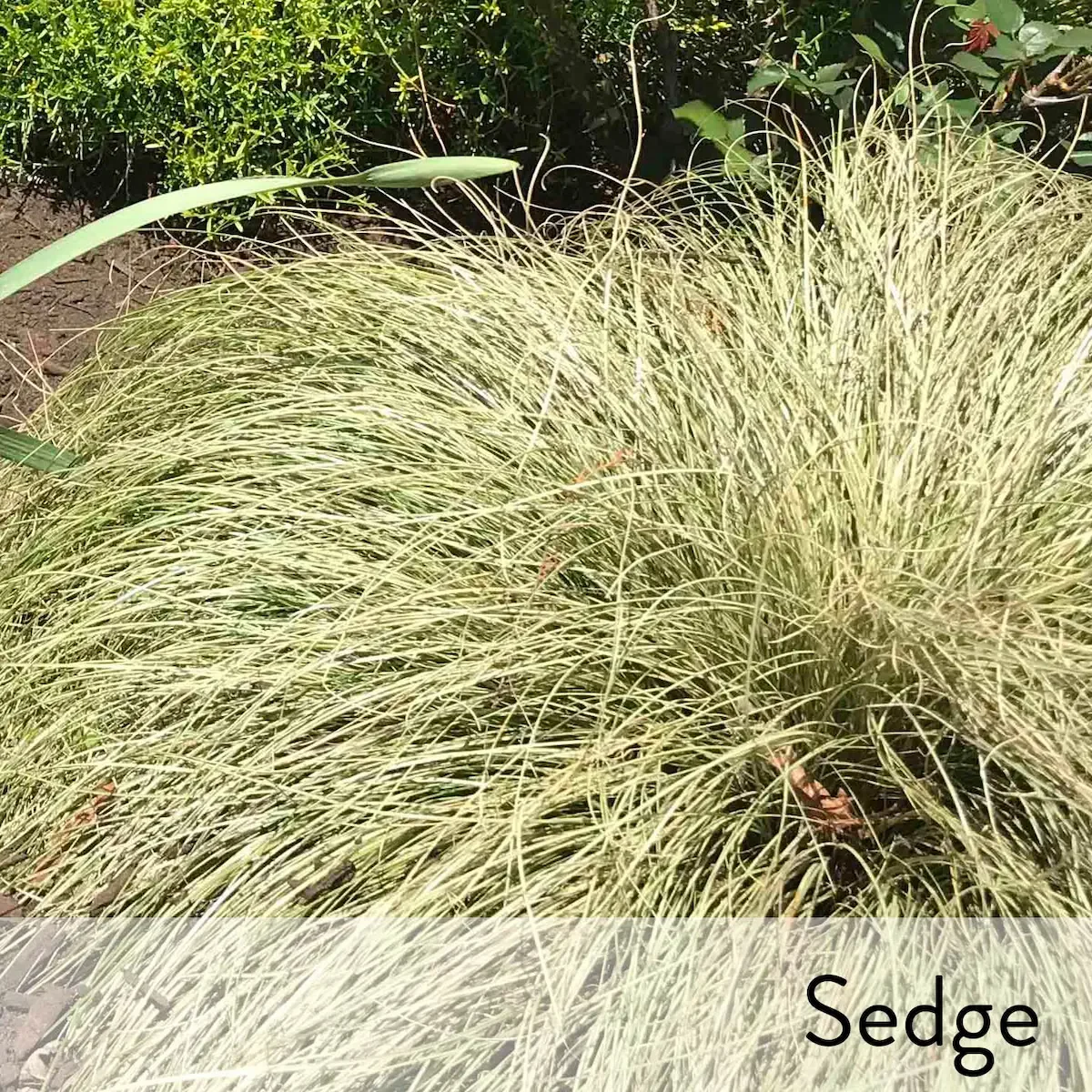
The play hinges on what you overhear in the garden, what you think you see behind the vines. Roses get mentioned when Hero is described—pure, beautiful, ornamental—but it's all performance. The real garden here is sedge and tangles and oak (solid, unshowy).
By the end, Beatrice and Benedick have been tricked into truth. The bitter orange learned to be marmalade.
The Story, Told in Plants
Beatrice and Benedick are the wittiest couple in Shakespeare — and they fall in love entirely by accident, eavesdropping in a honeysuckle bower. The cure for what ails them? Carduus Benedictus. Plain holy-thistle, of course. Nothing more.
This video was created by members of the Colorado Shakespeare Gardens and narrated by longtime CSF actor Chuck Wilcox.
For more information on (CC) artwork in this video, click here.
Not every plant Shakespeare mentioned will grow in Colorado.
These are the ones that do; currently growing in our Much Ado About Nothing garden.
Curious about a specific plant?
Visit our Plant Library for the full story.