Love’s Labours Lost
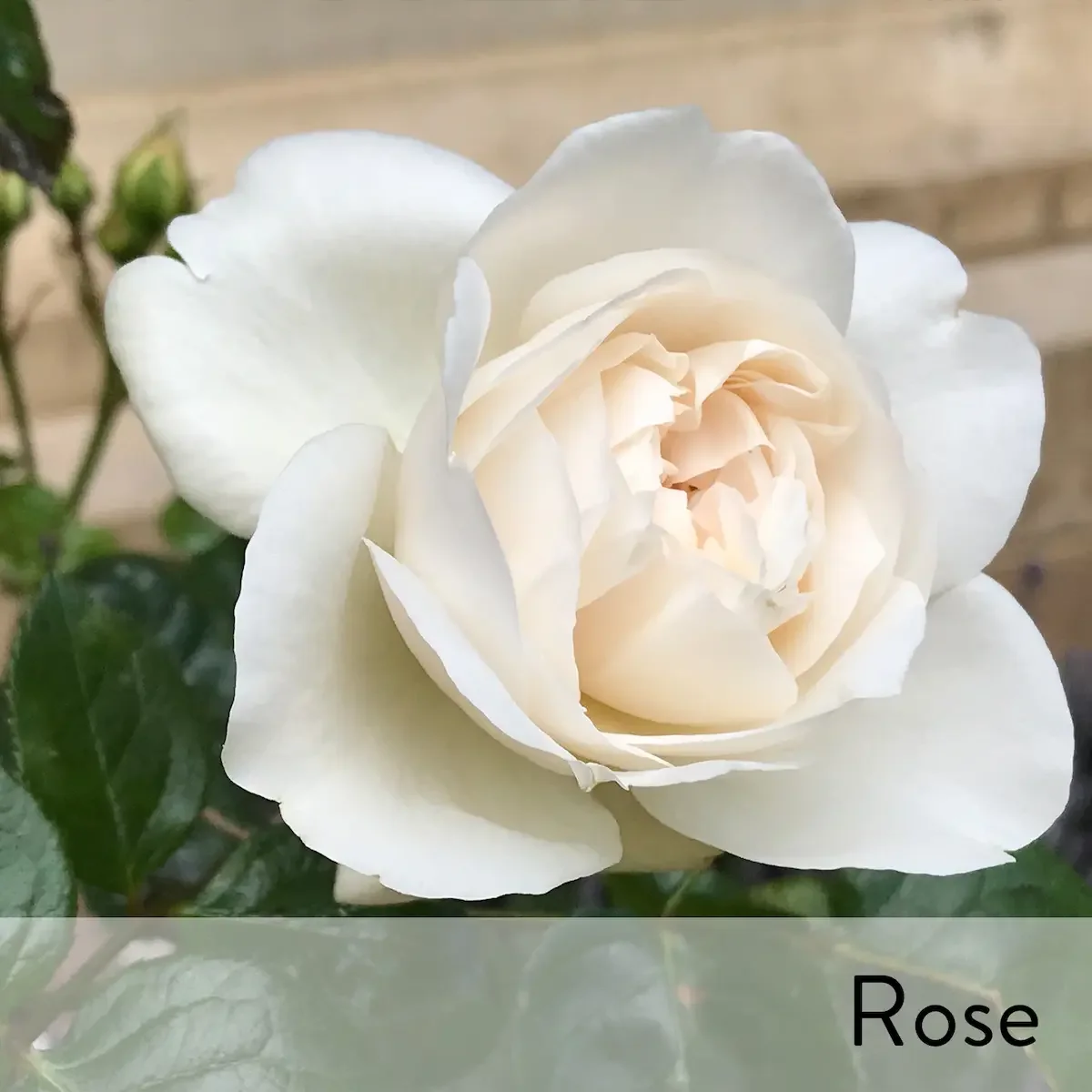
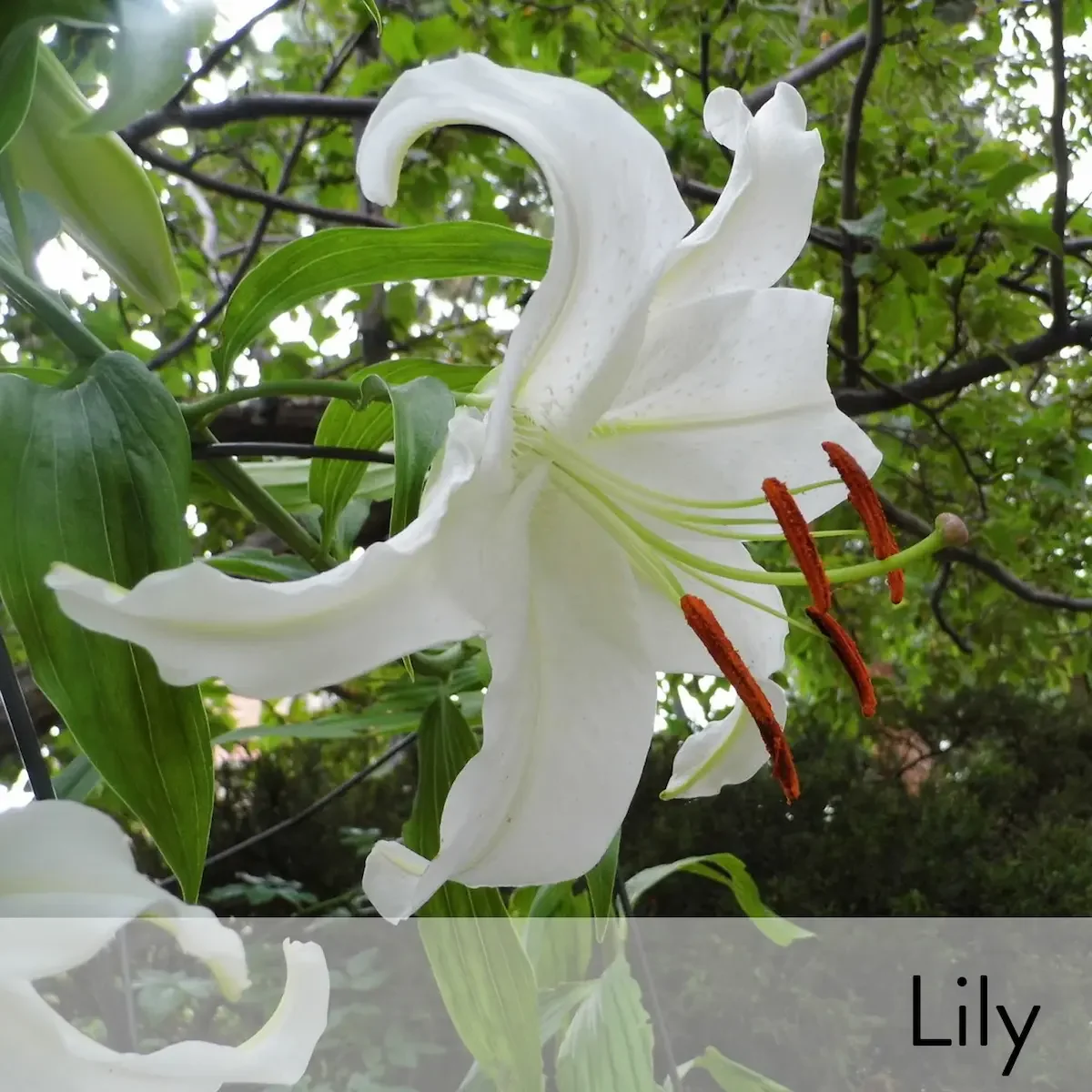
In Love's Labour's Lost, Four young men swear off women to devote themselves to scholarship. They last about five minutes. Four young women arrive, love ensues, and suddenly everyone's writing poetry full of roses and lilies and violets—the most ornamental, performative plants imaginable.
But here's the trick: this play drowns you in flowers while asking whether any of it means anything. The men spout lily-white purity and rose-red passion, but it's all performance. When the song at the end arrives, it's not about garden flowers at all—it's about the real work of the seasons:
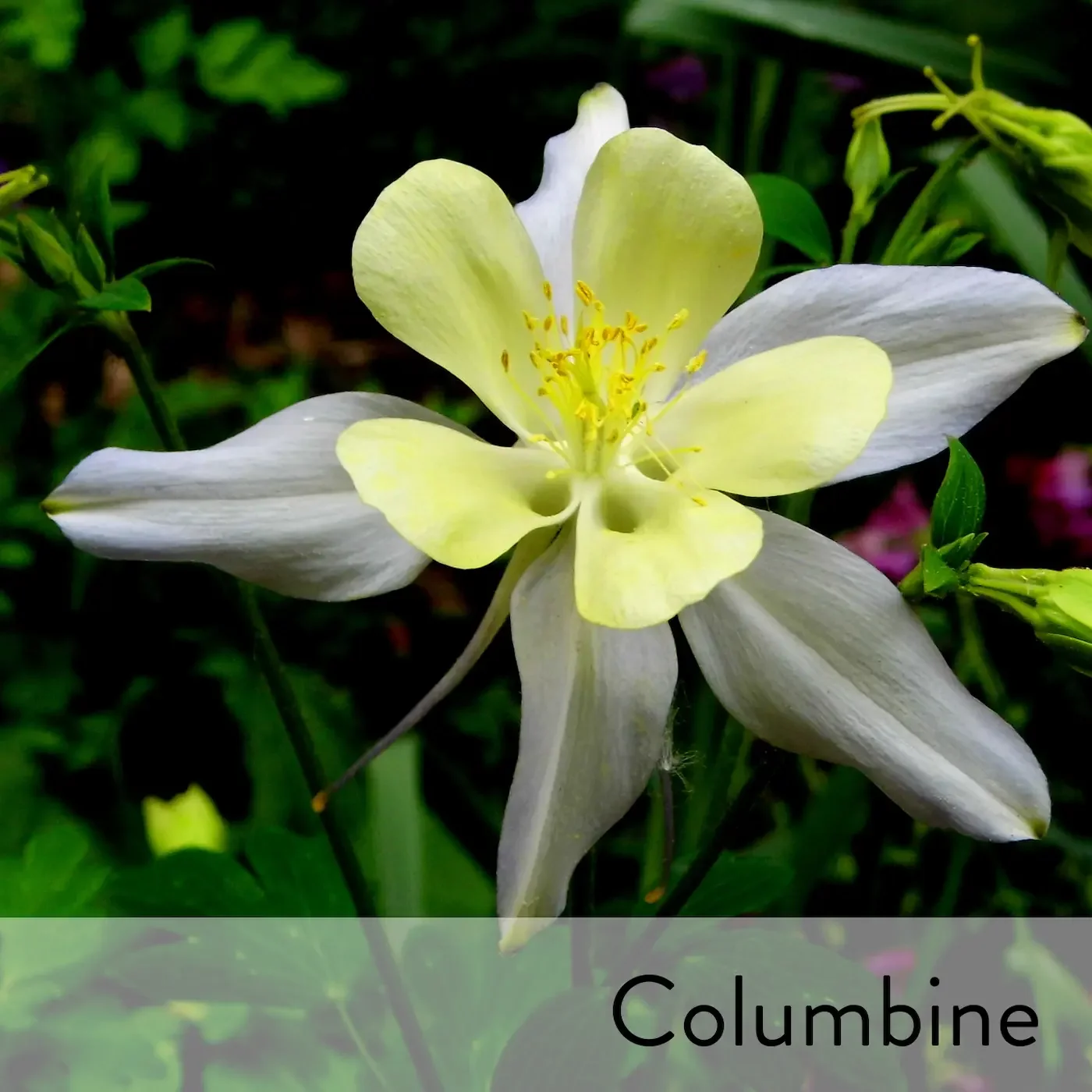
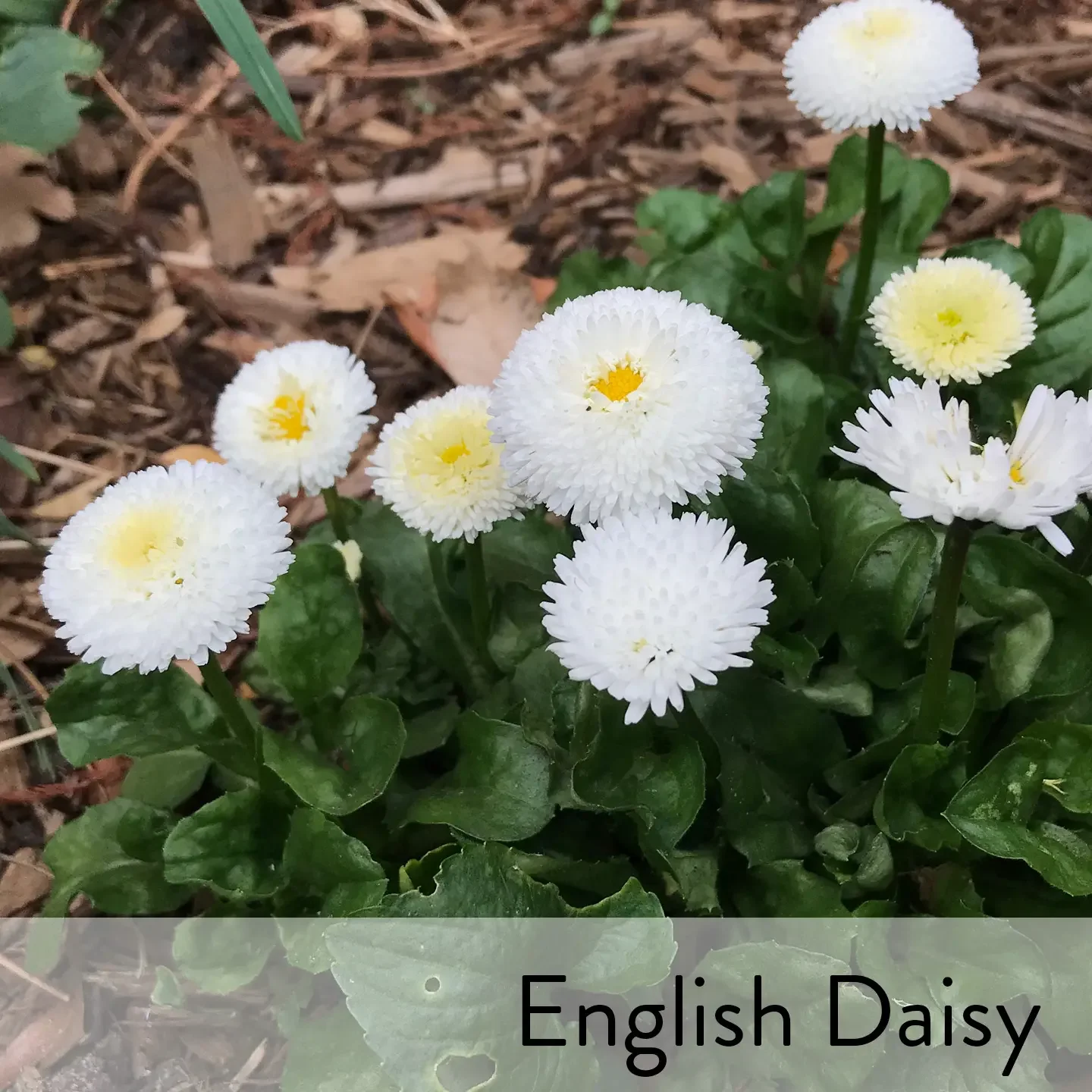
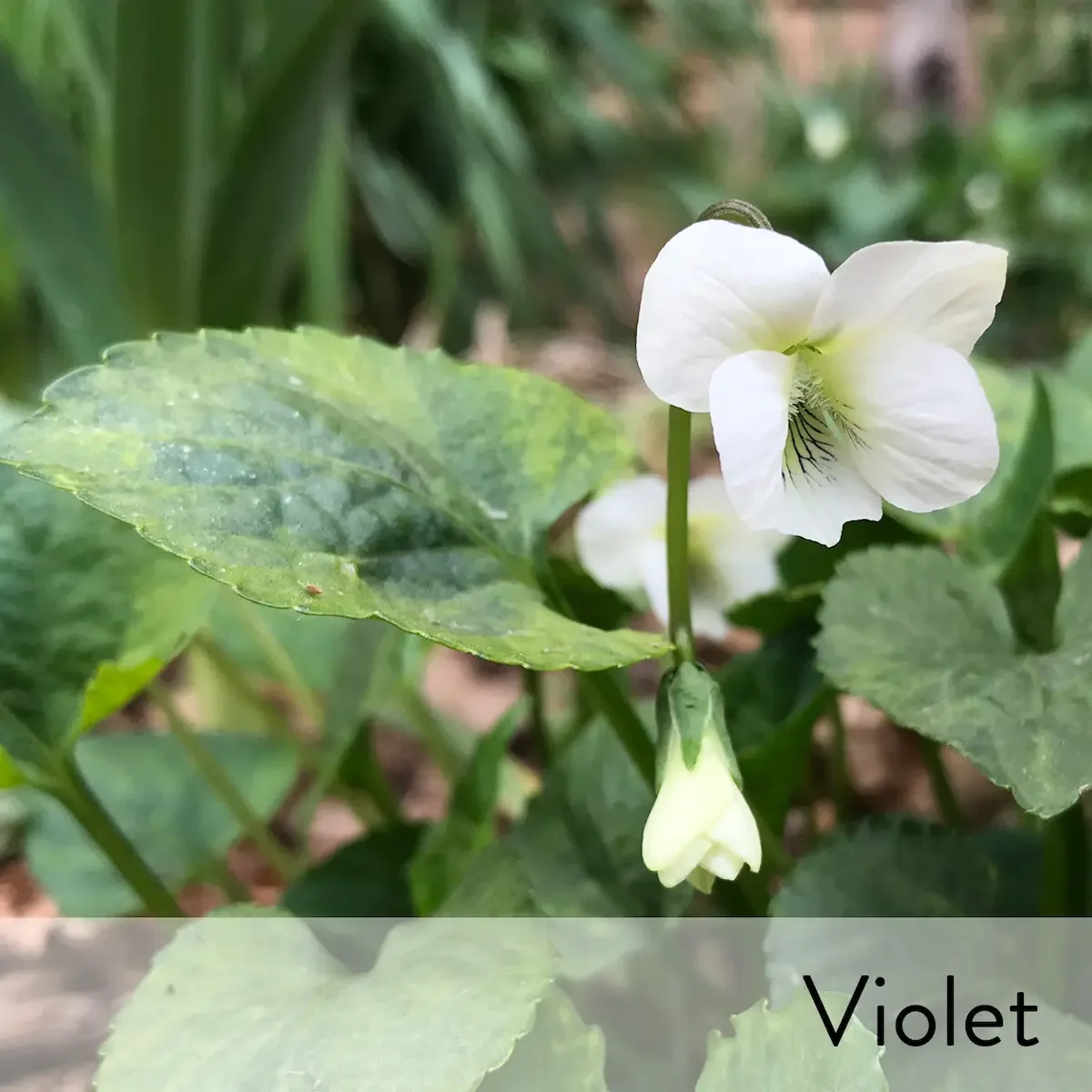
When daisies pied and violets blue
And lady-smocks all silver-white
And cuckoo-buds of yellow hue
Do paint the meadows with delight.
These are wildflowers, not cultivated gardens. Real plants, not poetic conceits.
Then winter comes:
When icicles hang by the wall
And Dick the shepherd blows his nail.
The play that started with vows and pretty language ends with the cold truth—love isn't a garden party, it's seasonal labor. The Princess tells the King he has to wait a year, living in
some forlorn and naked hermitage,
Remote from all the pleasures of the world.
No more roses. No more games. Go live in the actual world for a while, then come back and we'll see if you mean it.
The plants track the whole journey: from ornamental to wild, from performed to earned, from the idealized garden to the honest field. Shakespeare plants 28 different species in this play and then tells you most of them are just decoration. What matters is what grows when nobody's watching.
The Story, Told in Plants
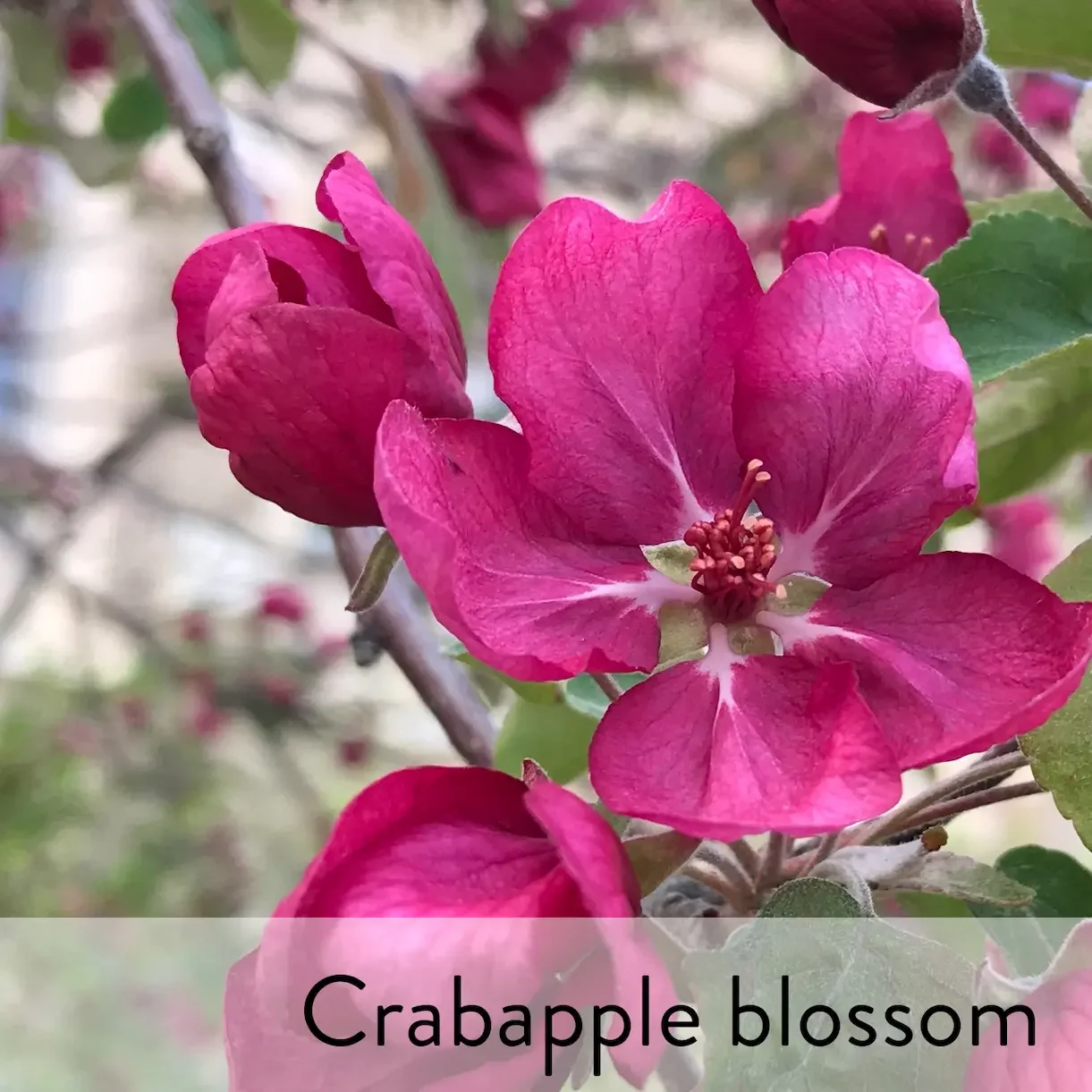
Four young men swear off women and fall immediately in love. Love's Labours Lost is Shakespeare's wittiest comedy — and it ends not in weddings, but in two songs: the flowers of spring mocking married men, and the frozen winter where roasted crab-apples hiss in the bowl.
This video was created by members of the Colorado Shakespeare Gardens and narrated by longtime CSF actor Chuck Wilcox
For more information on (CC) artwork, go here.
Not every plant Shakespeare mentioned will grow in Colorado.
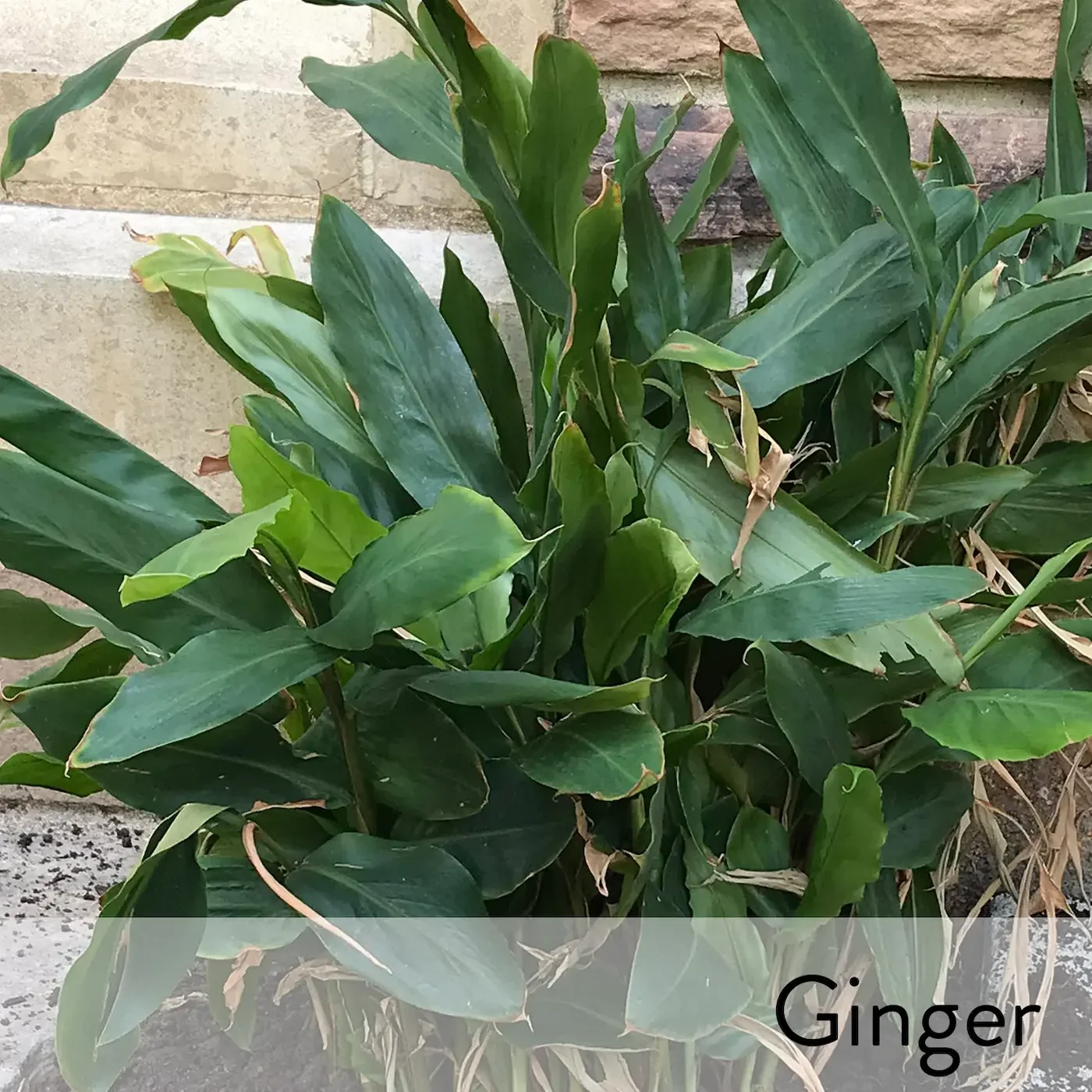
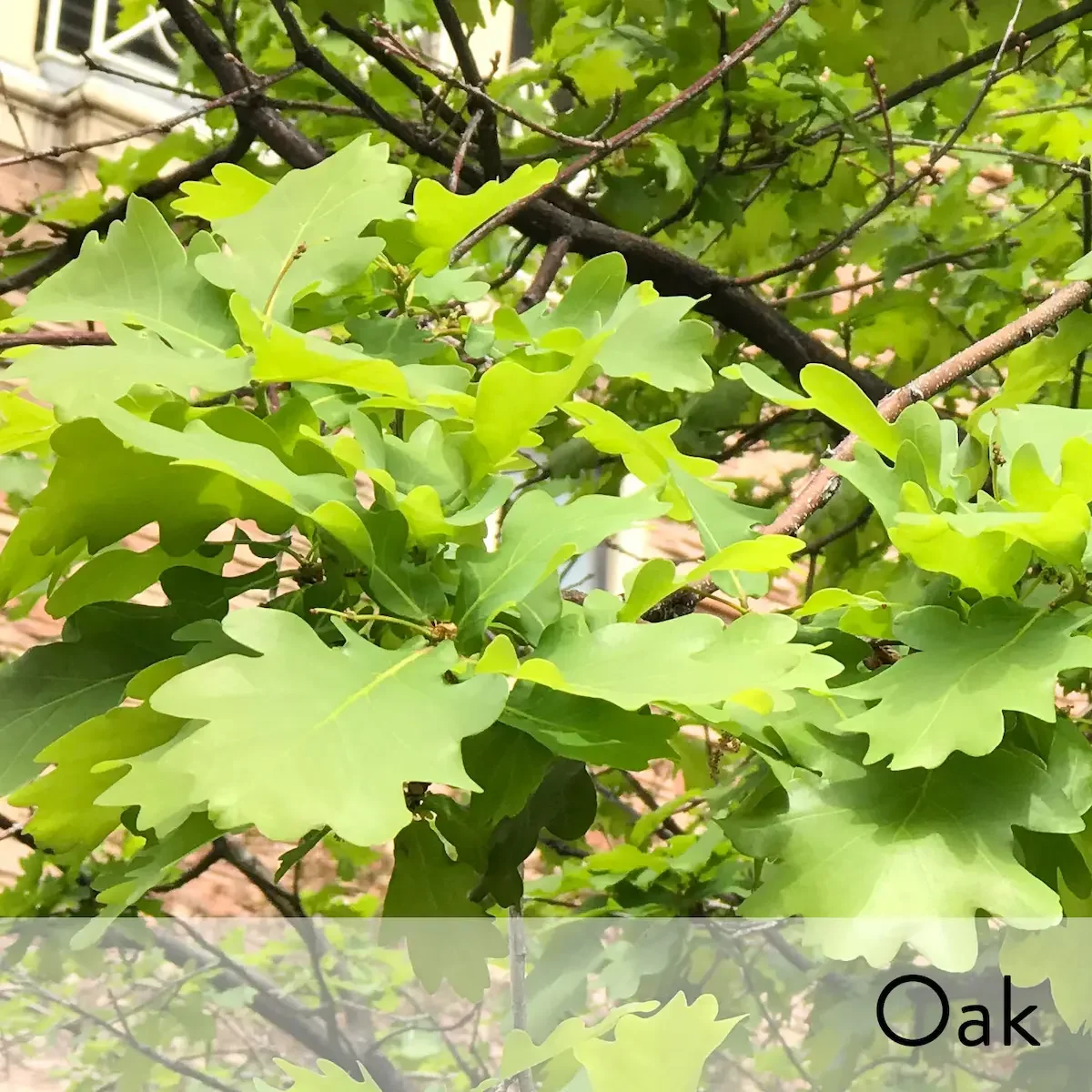
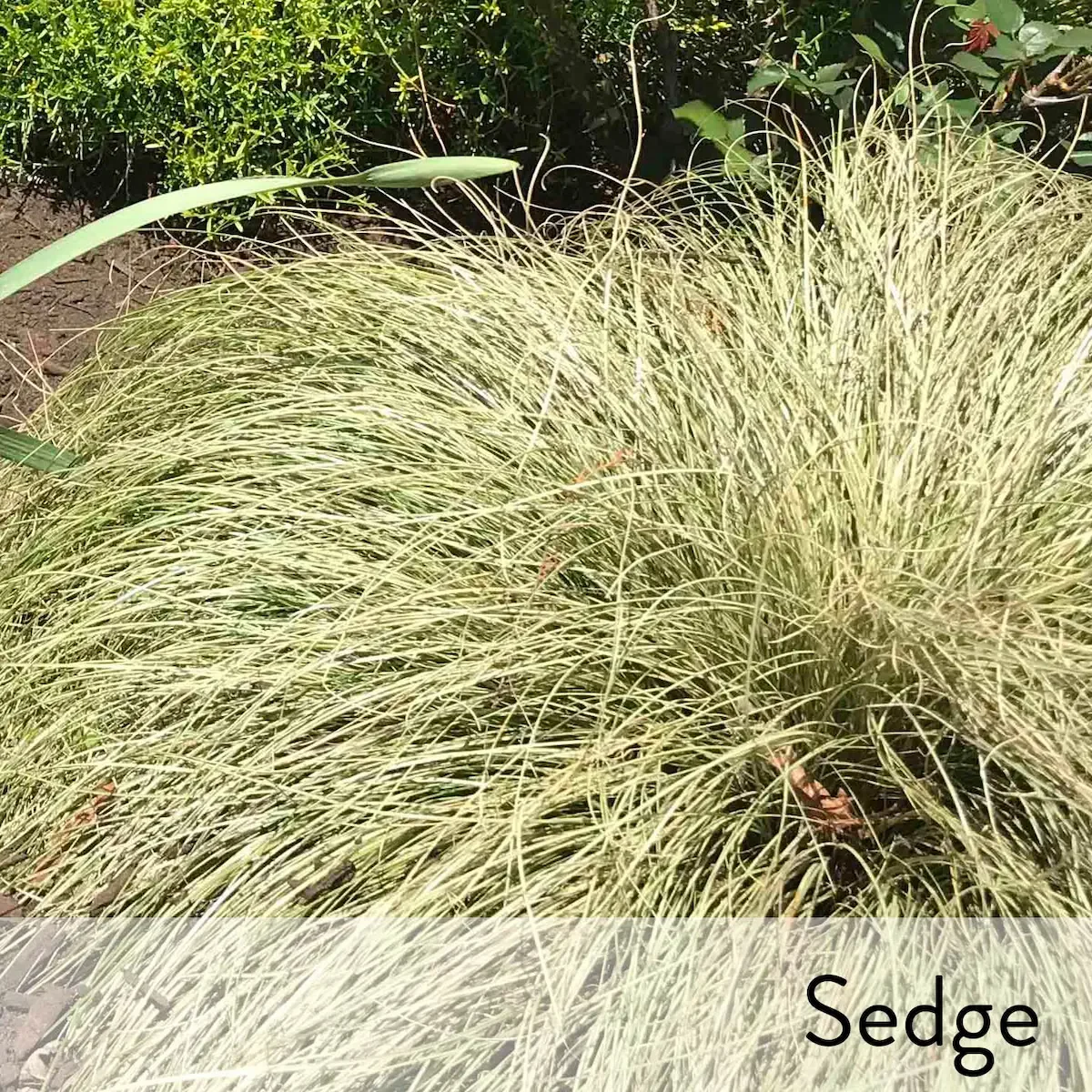
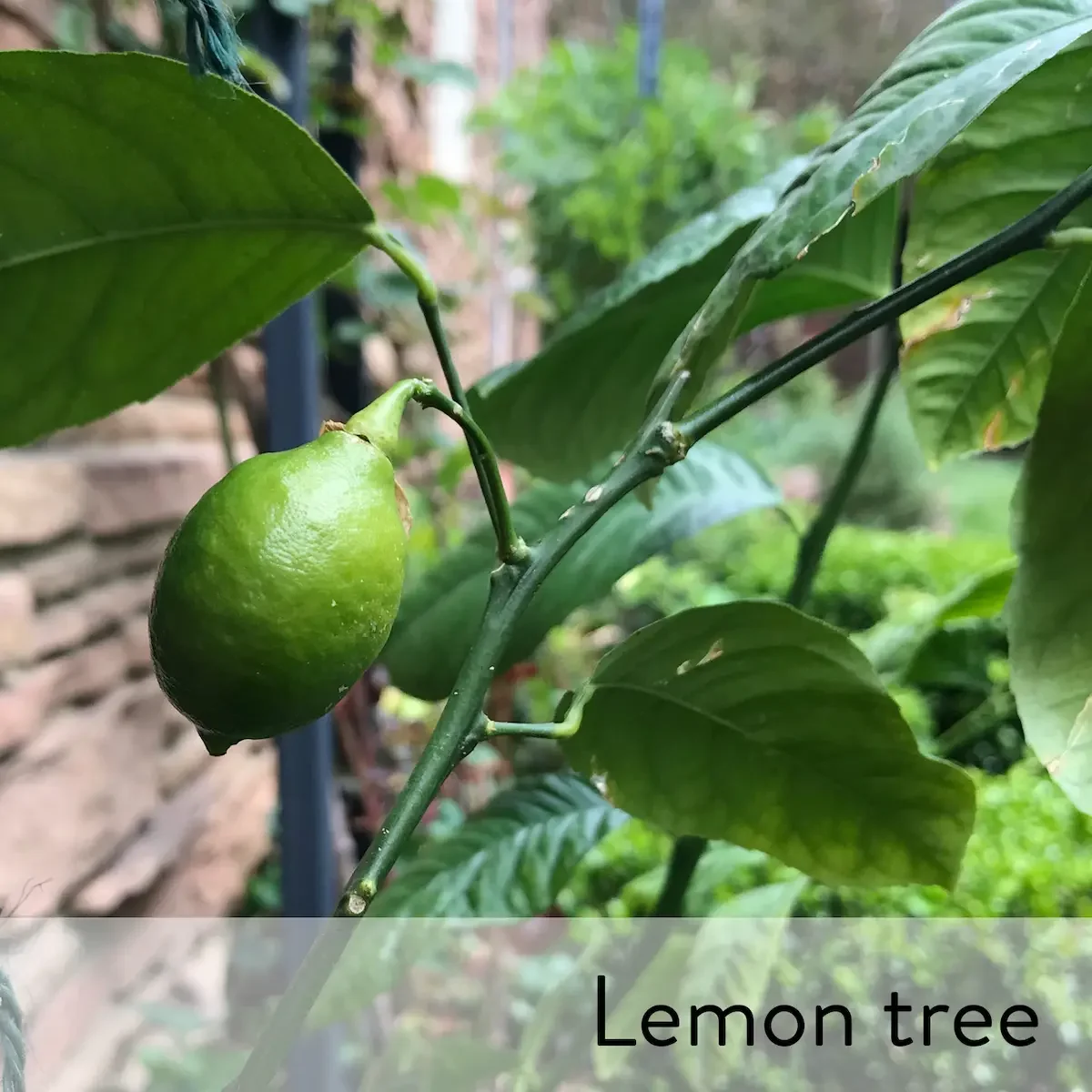
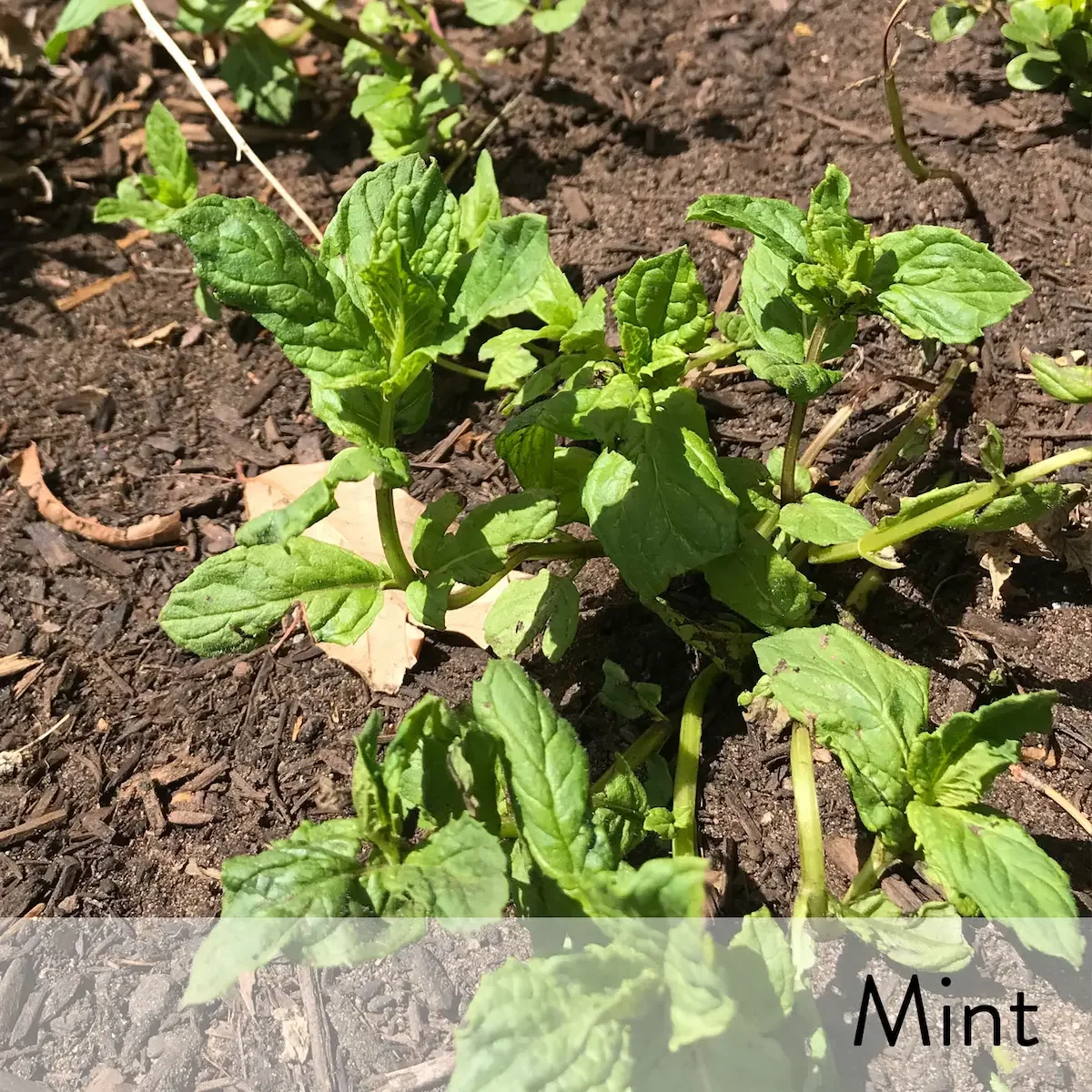
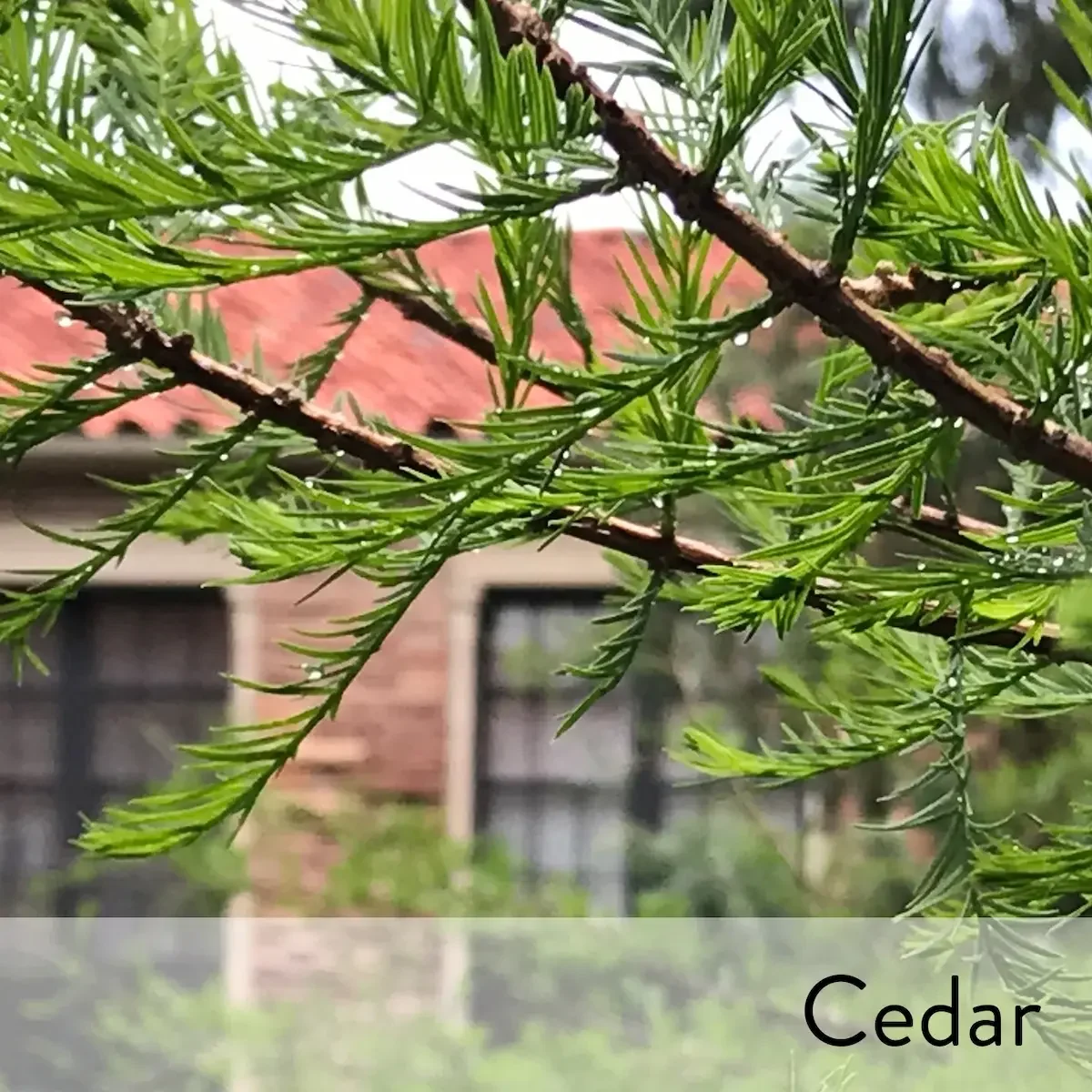
These are the ones that do; currently growing in our Love’s Labours Lost garden.
Curious about a specific plant? Visit our Plant Library for the full story.