The Kitchen Garden
For the rich and poor alike, a kitchen garden was a necessity in Shakespeare’s time. Kitchen gardens provided flavor, preserved food, settled queasy stomachs, soothed aches, bound wounds. Plants made perfumes, salves, and sweet balms. They protected garments and bedding from vermin and rot.
People strewed floors with rushes mixed with marjoram, rue, and rosemary—herbs with sharp odors that cleaned the air and kept off insects and disease. When venturing into the stench of the streets (where people threw garbage, slaughterhouse refuse, even plague corpses), you carried a tussie-mussie (a nosegay of sweet-smelling flowers) hoping it would protect you from both smell and sickness.
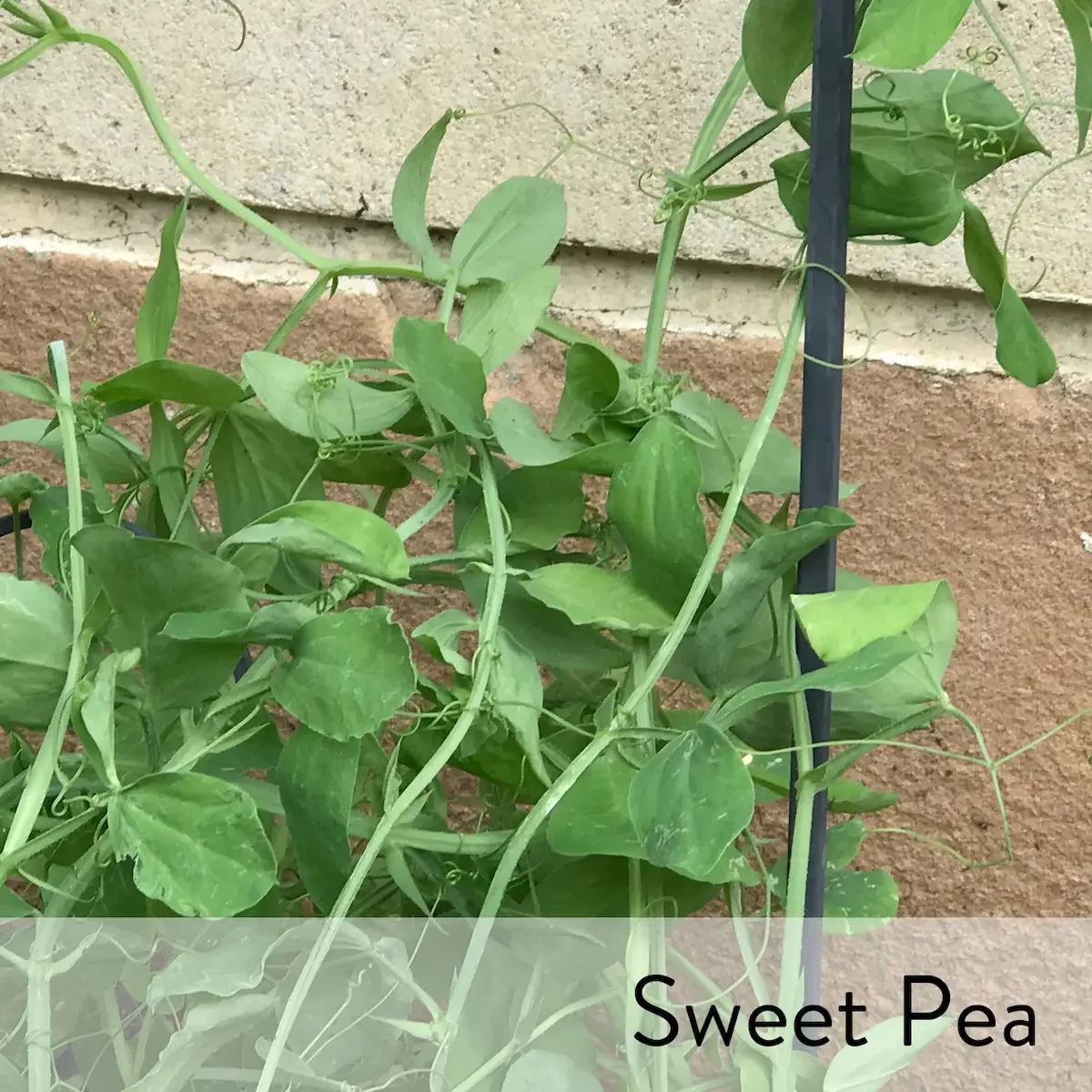
The garden grew the practical stuff: cabbage, onions, leeks, turnips, peas, beans. In Taming of the Shrew, a Lord recommends using onions
to rain a shower of commanded tears...
Which in a napkin being close conveyed
Shall in despite enforce a watery eye.
Fake crying, Elizabethan style.
Strawberries appear everywhere in Shakespeare. The Bishop in Henry V uses them as a metaphor for Prince Hal's hidden virtue:
The strawberry grows underneath the nettle
And wholesome berries thrive and ripen best
Neighboured by fruit of baser quality.
Good things grow in rough company.
Blackberries grew in whole hedges. Falstaff jokes in Henry IV Part 1:
If reasons were as plentiful as blackberries,
I would give no man a reason upon compulsion.
The pun works because in Shakespeare's pronunciation, "reason" (REH-z'n) and "raisin" (REH-z'n) sounded identical. He's refusing to explain himself OR share dried fruit, even if raisins were as common as blackberries.
And when Falstaff plans a tryst in Merry Wives of Windsor, he exclaims:
Let the sky rain
potatoes; let it thunder to the tune of Greensleeves,
hail kissing-comfits and snow eringoes.
Sweet potatoes (the only kind they knew), eringo root (candied, believed to strengthen amorous powers), kissing-comfits (breath sweeteners), and Greensleeves (a love song). Every single thing he mentions serves seduction. The kitchen garden was never just about cooking.
Where Every Plant Had Work to Do
In Shakespeare's England, the kitchen garden was the pharmacy, the pantry, and the perfumery — all in one. This garden shows you what grew there, and why every leaf of it mattered.
This video was created by members of the Colorado Shakespeare Gardens and narrated by longtime CSF actor Chuck Wilcox
For more information on (CC) artwork in this video, click here.
Not every plant from Shakespeare’s England will grow in Colorado.
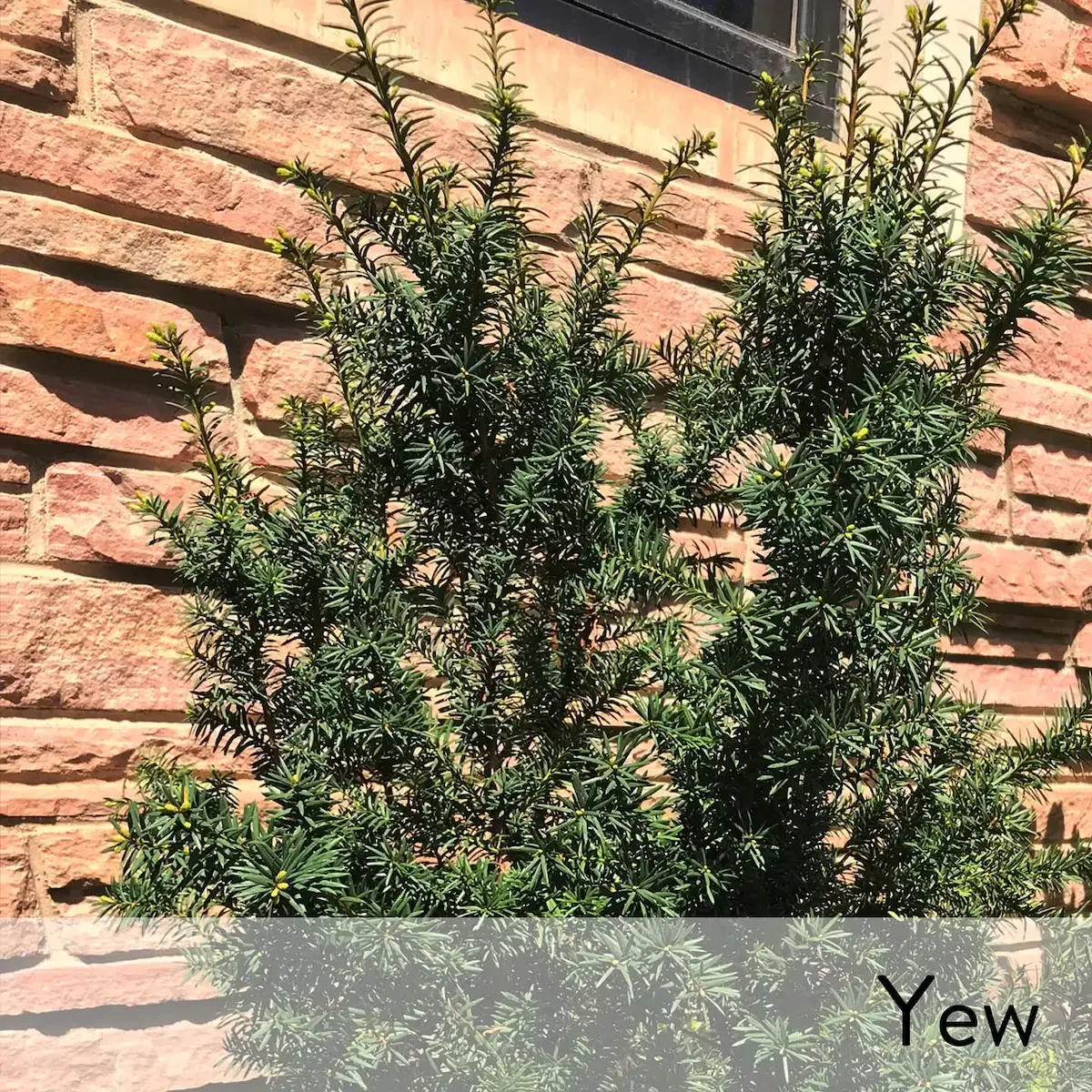
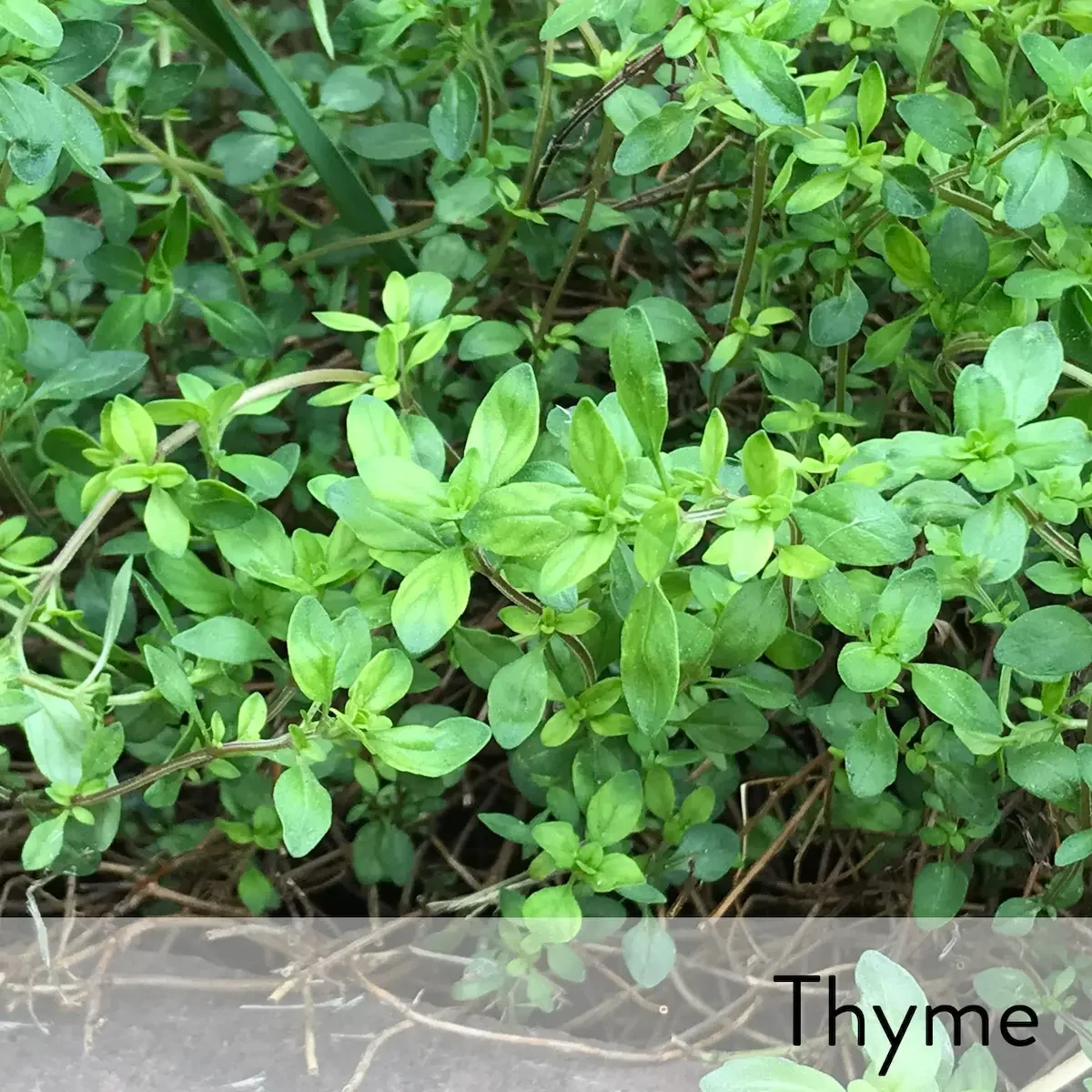
These are the ones that do; currently growing in our Kitchen garden.
Curious about a specific plant? Visit our Plant Library for the full story.