Hamlet
"Something is rotten in the state of Denmark," we’re told, and the plants in this play won't let you forget it. This is a play about poison—literal and moral—and so many of the plants that appear carry death in their leaves.
Old Hamlet dies when Claudius pours poison in his ear while he sleeps in his orchard. The murder weapon? Juice of cursed hebenon, a plant so toxic it curdles blood. The Ghost describes it:
swift as quicksilver it courses through
The natural gates and alleys of the body.
Gardens should be places of life and growth—but in Elsinore, they're where kings get murdered.
Then there's Ophelia. When her mind breaks, she speaks only in flowers. She hands them out like accusations:
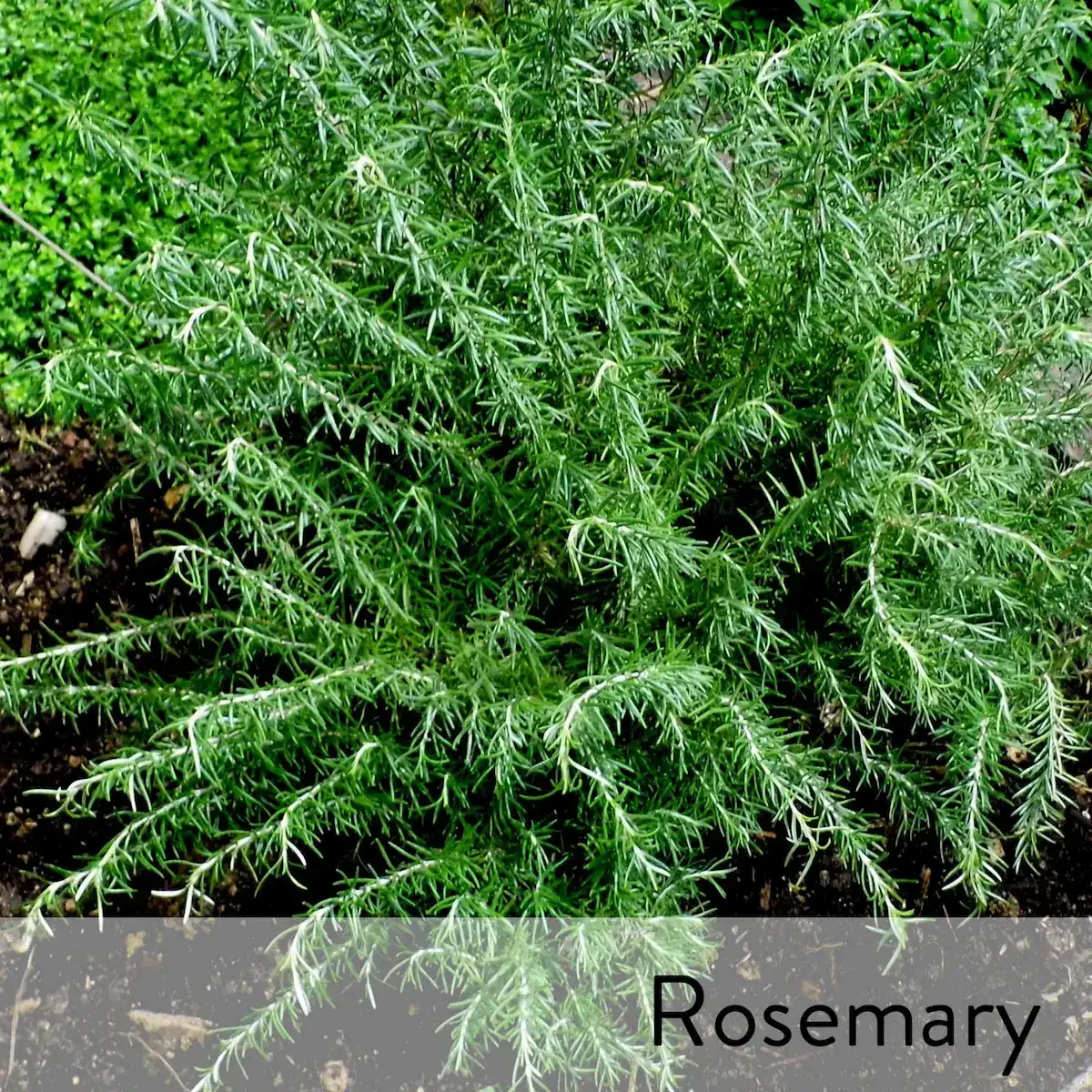
There's rosemary, that's for remembrance...
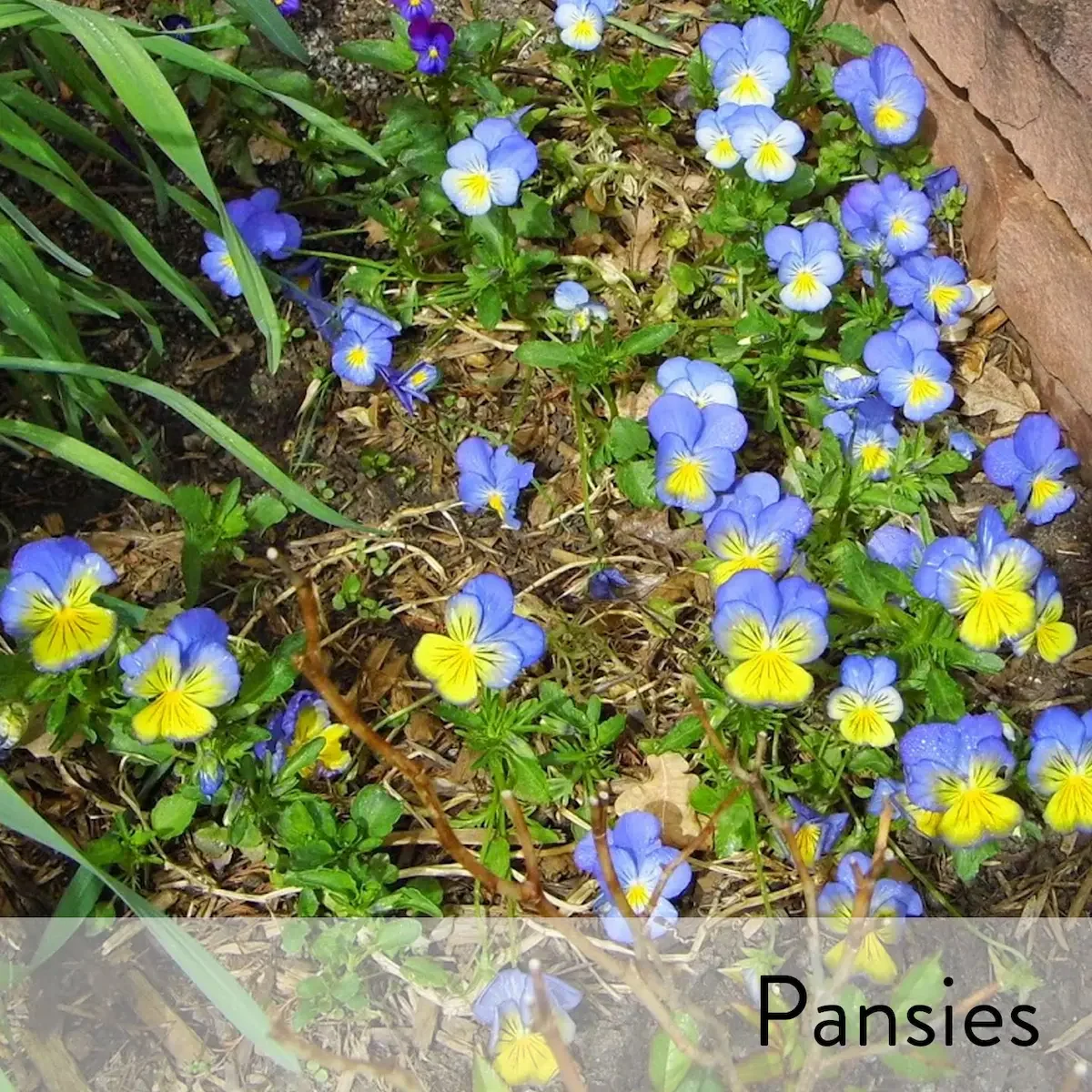
and there is pansies, that's for thoughts."
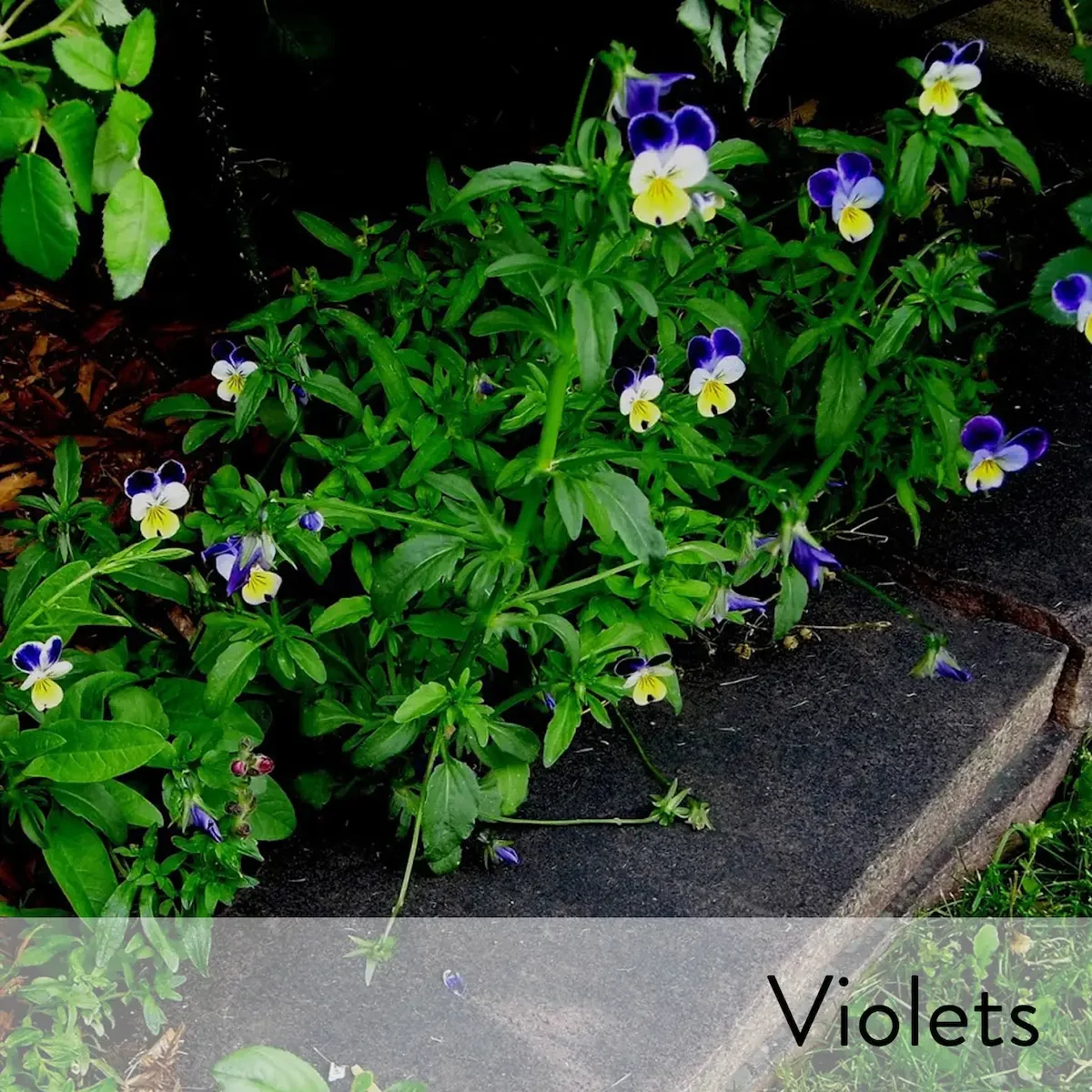
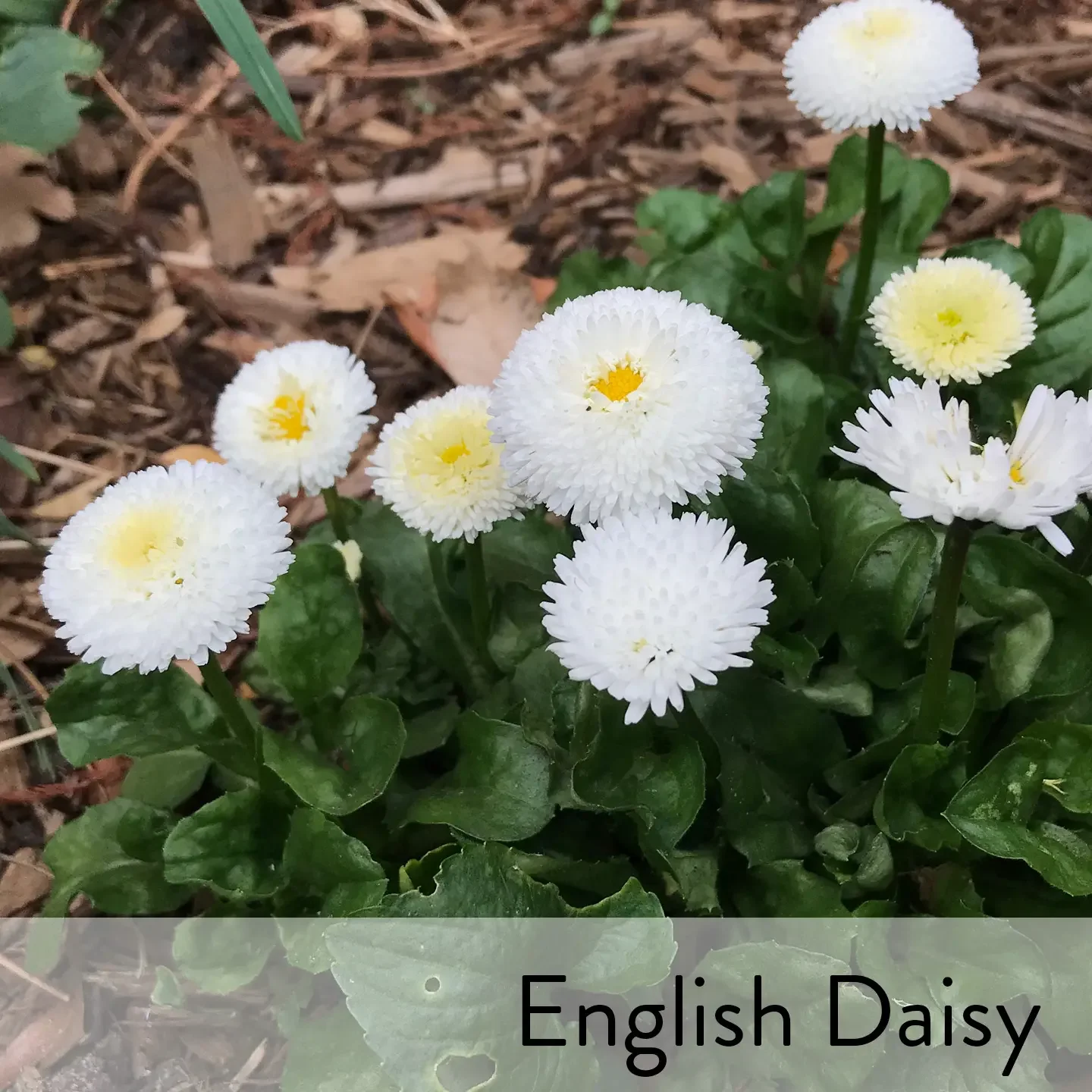
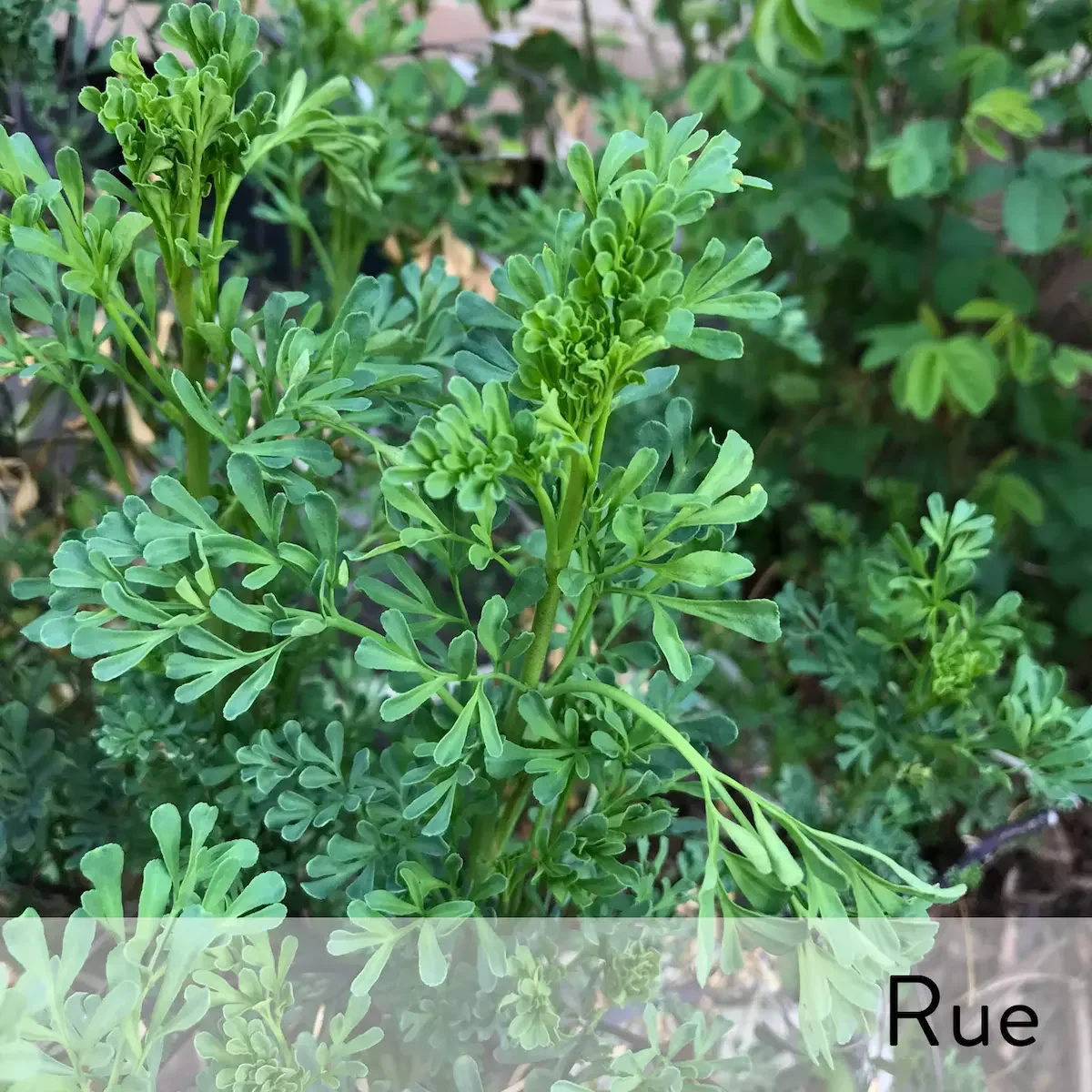
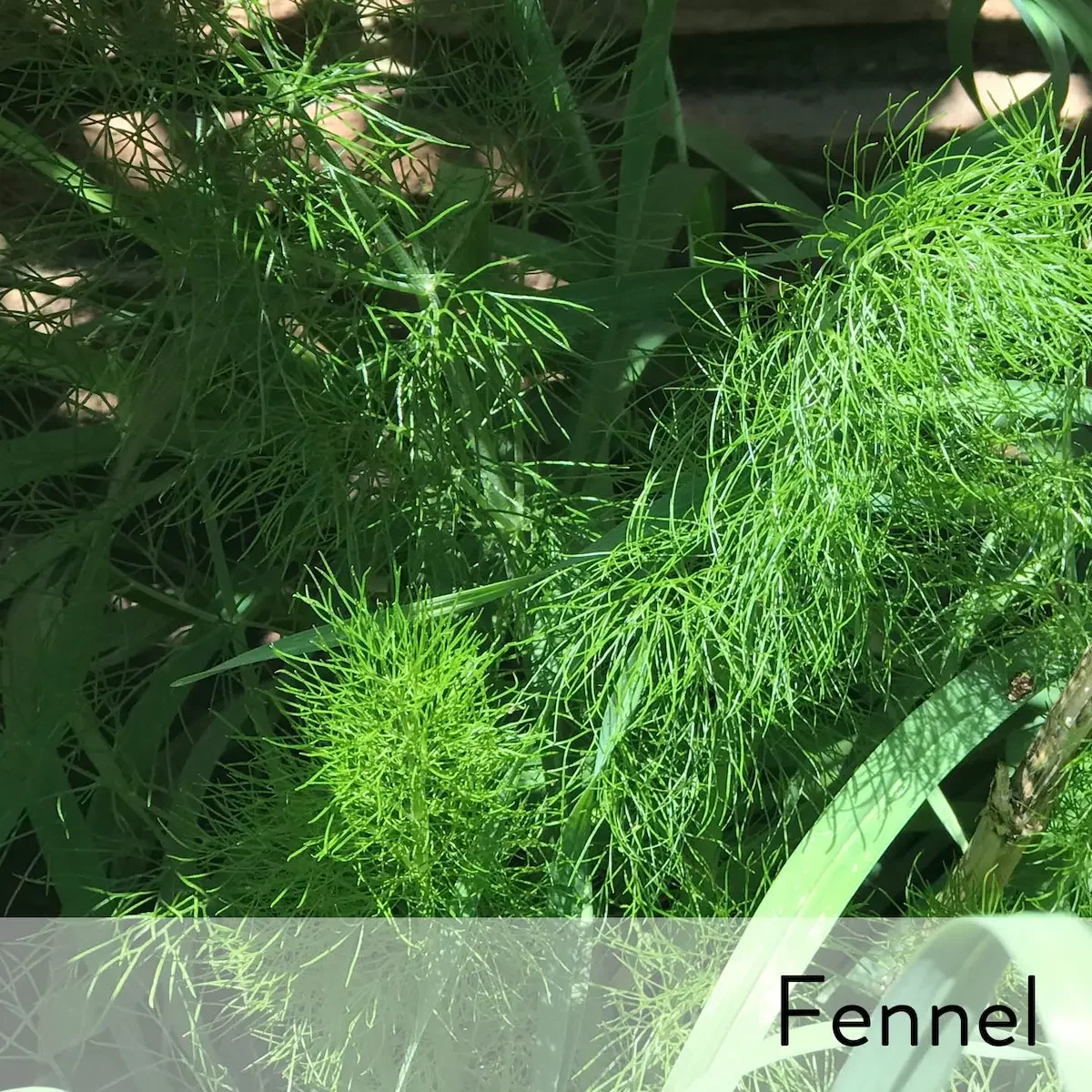
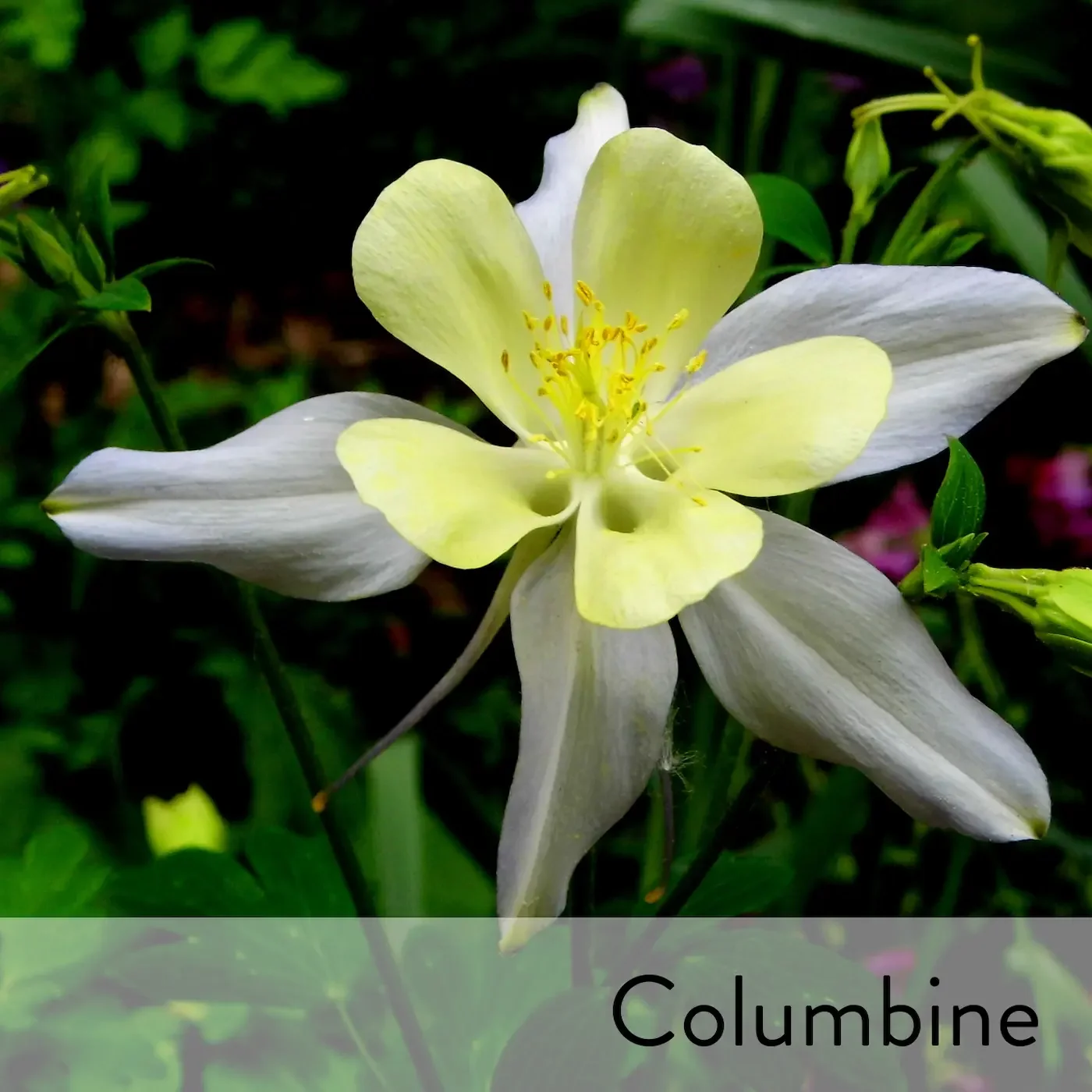
Fennel for flattery, columbine for ingratitude, rue for regret. She gives daisies (innocence) to no one—because there's no innocence left in Denmark. The violets"withered all when my father died." When she drowns, she's covered in wildflowers—crow-flowers, nettles, daisies—beautiful and doomed.
Even Hamlet sees it. He tells Ophelia, Get thee to a nunnery, but the word also meant brothel. He calls Denmark
an unweeded garden
That grows to seed; things rank and gross in nature
Possess it merely.
The kingdom is a garden gone to weeds. The plants aren't symbols—they're symptoms. Denmark is dying from the root.
The Story, Told in Plants
Hamlet's Denmark is an unweeded garden — and the plants know it. Poison in an orchard kills a king. Ophelia's flowers indict the living. Even the violets wither when her father dies.
This video was created by members of the Colorado Shakespeare Gardens and narrated by longtime CSF actor Chuck Wilcox
For more information on (CC) artwork in this video, click here.
Not every plant Shakespeare mentioned will grow in Colorado.
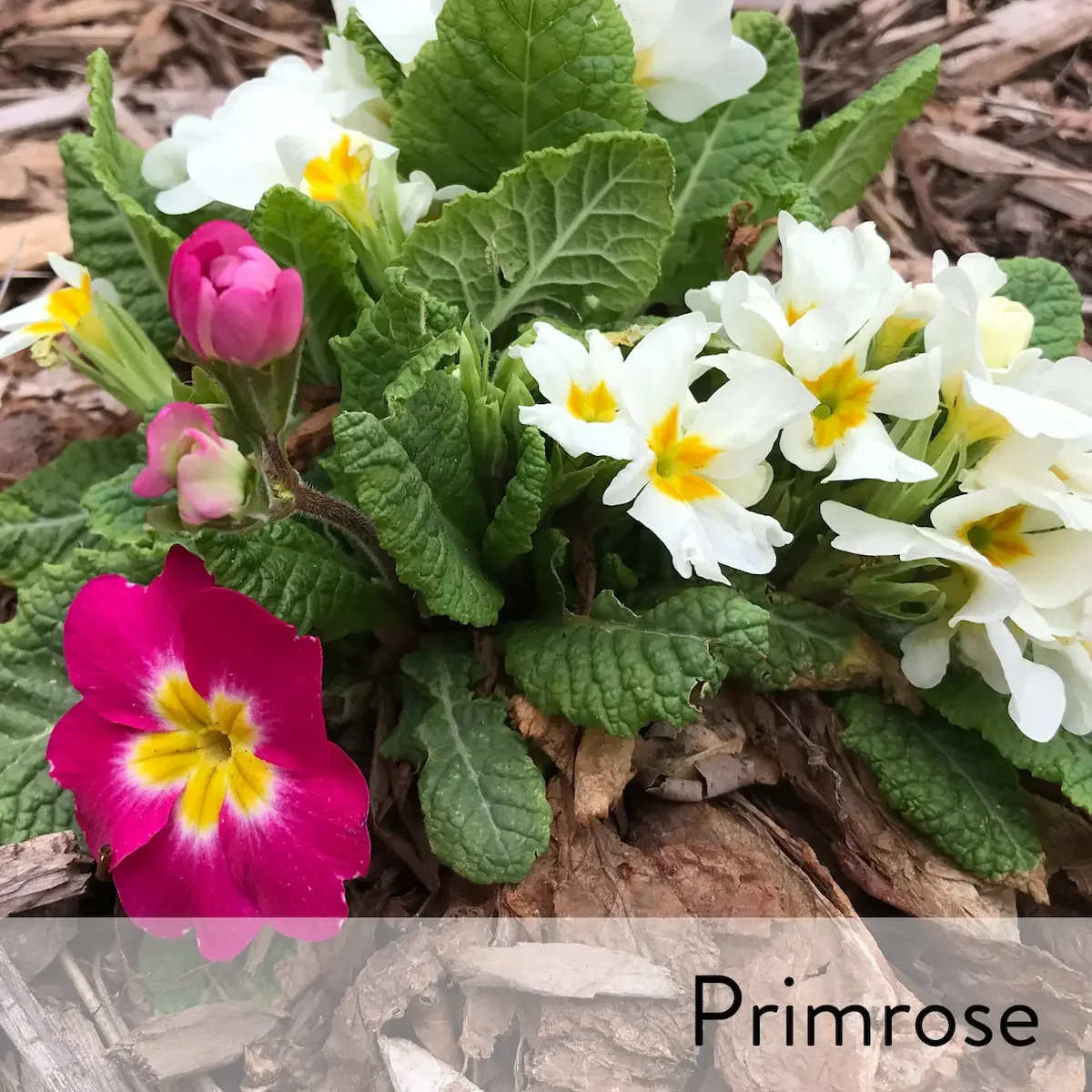
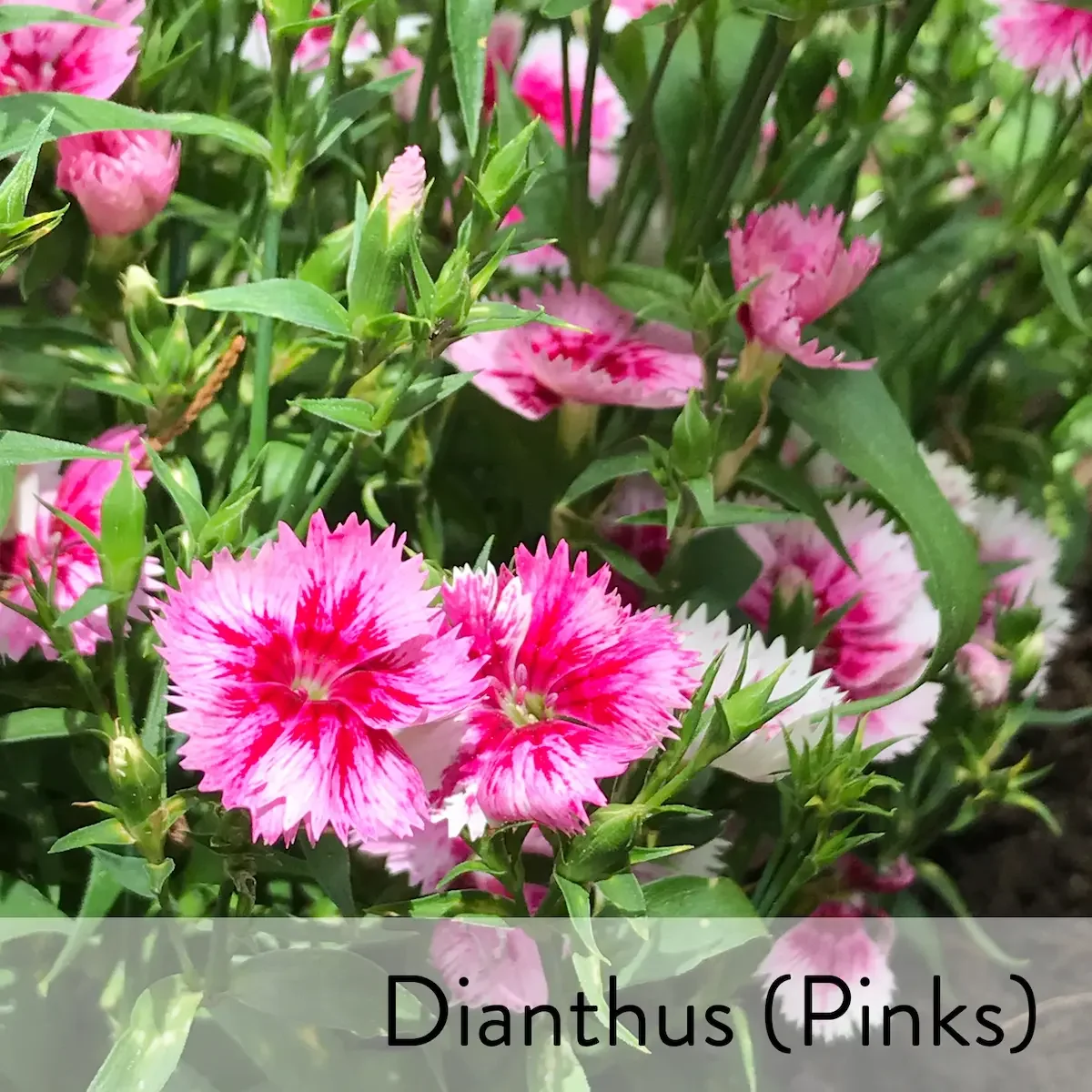
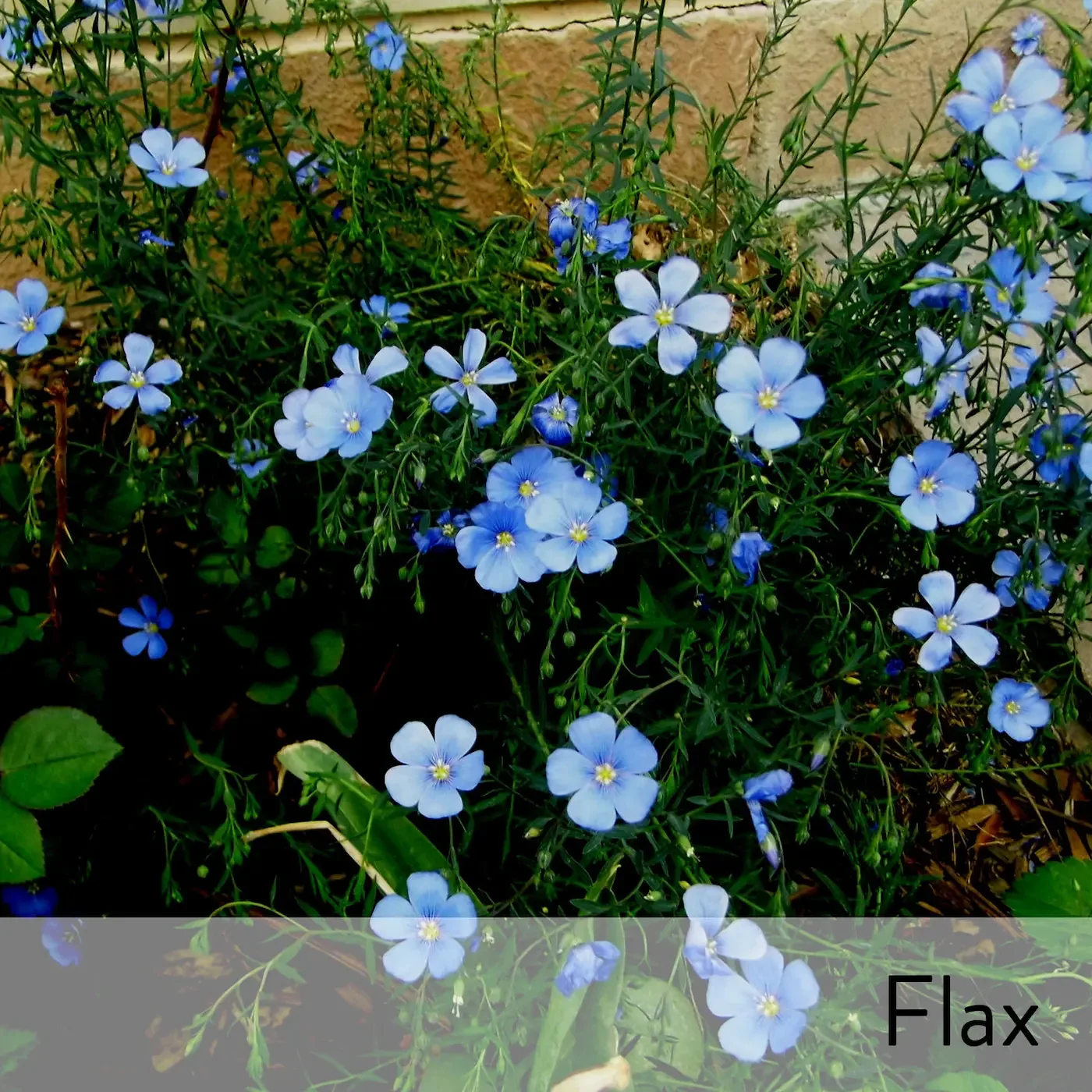
These are the ones that do; currently growing in our Hamlet garden.
Curious about a specific plant? Visit our Plant Library for the full story.