Cymbeline
This is one of Shakespeare's strangest plays—ancient Britain, wicked stepmothers, a faithfulness test gone wrong, princes raised in a Welsh cave—but the plants ground it. And they tell you exactly what kind of story this is.
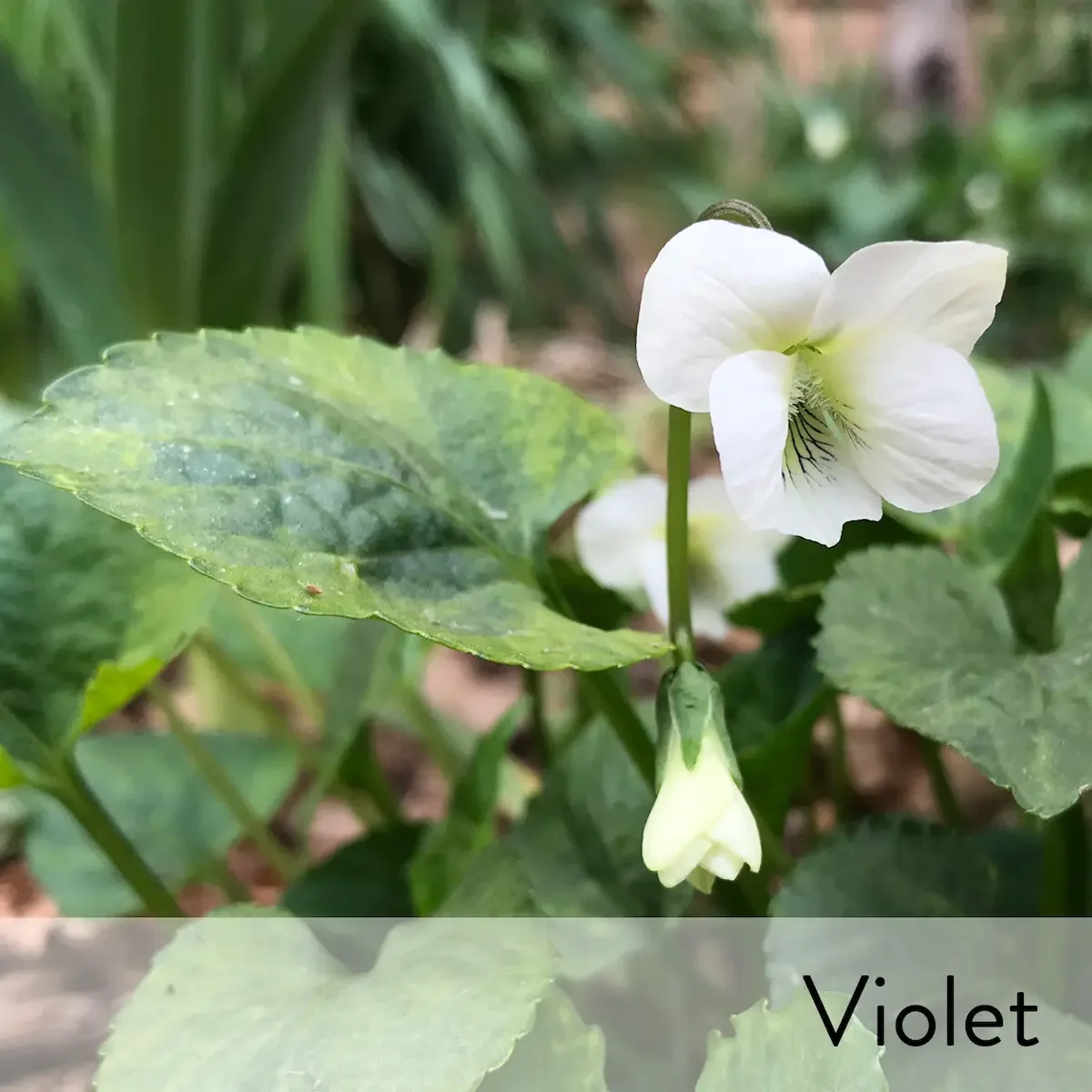
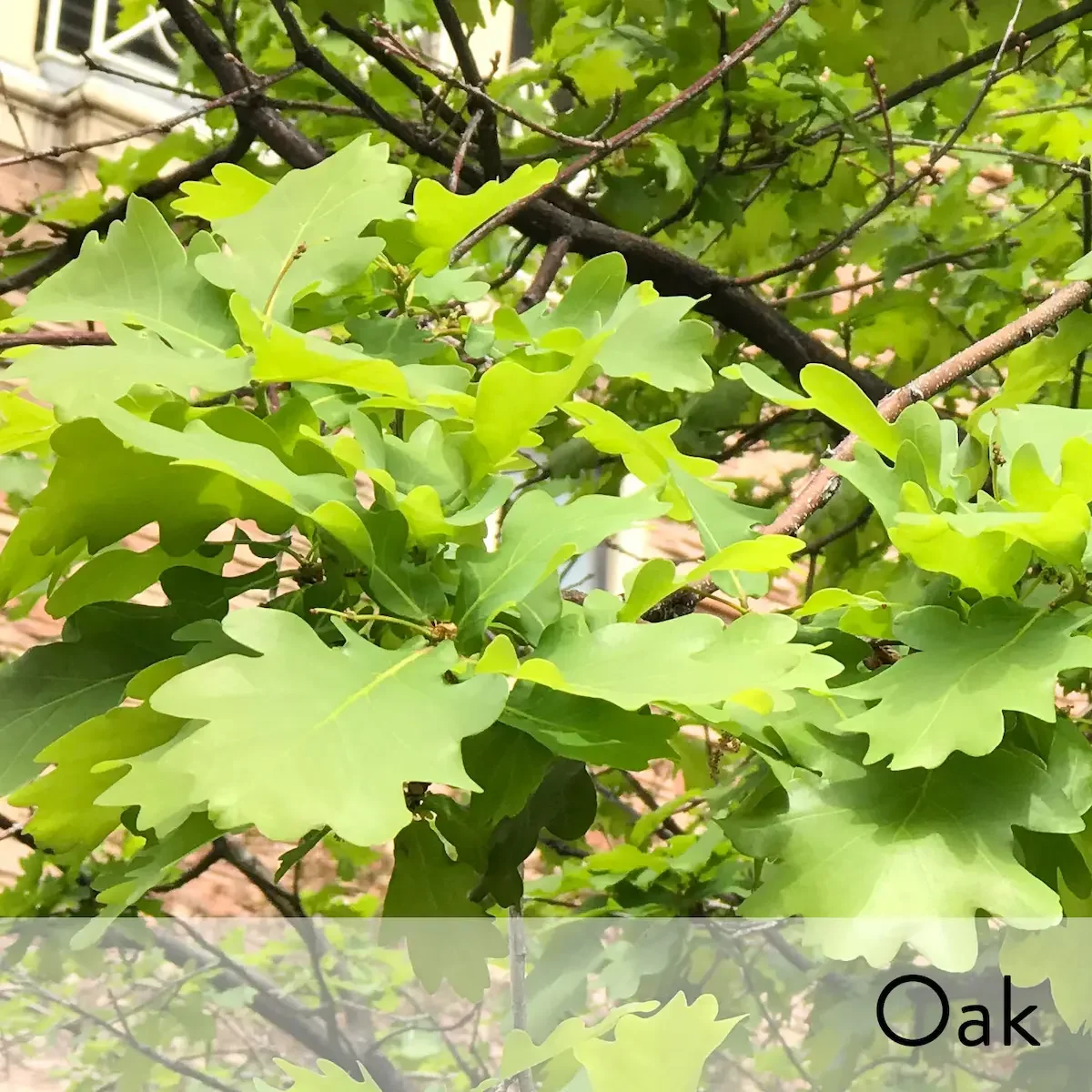
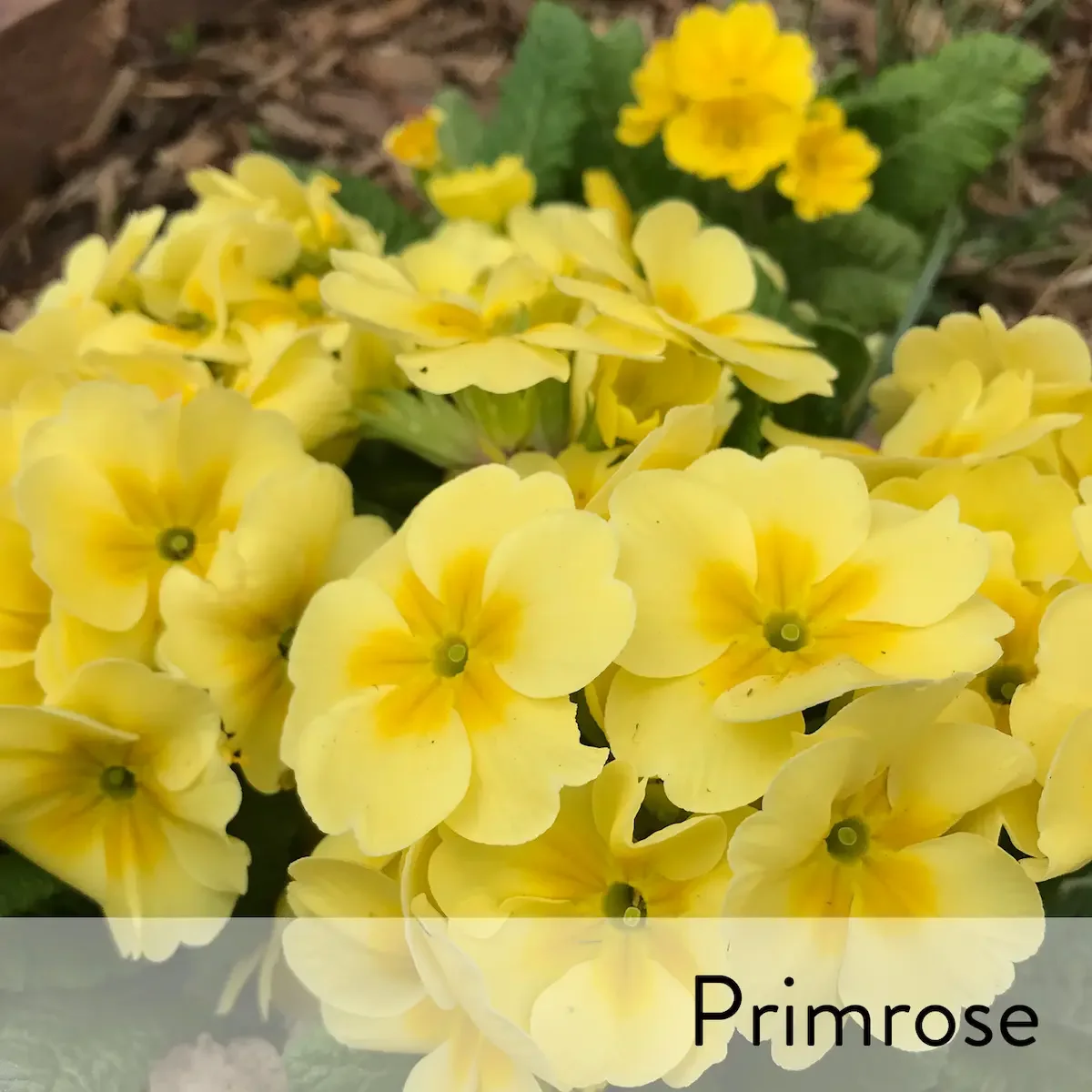
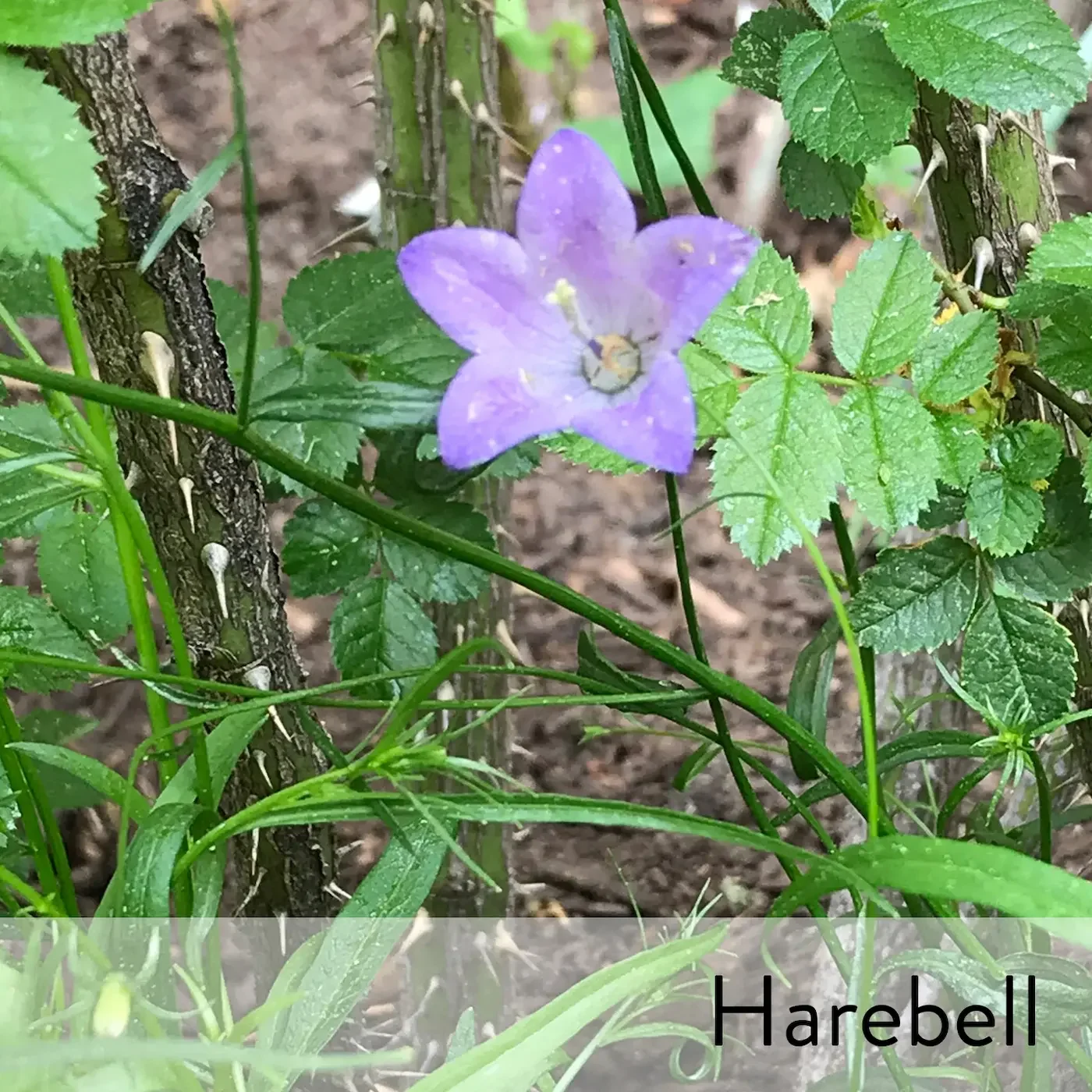
The king's sons, stolen as babies, grow up in the wilderness under oak and pine and cedar, learning courage and loyalty without knowing they're royal. When Imogen (disguised as a boy) stumbles into their cave, they mourn her supposed death with wildflowers:
With fairest flowers,
Whilst summer lasts and I live here, Fidele,
I'll sweeten thy sad grave. Thou shalt not lack
The flower that's like thy face, pale primrose, nor
The azured harebell, like thy veins.
The plants root these boys in virtue before anyone waves a crown at them. They become worthy first. The recognition comes after.
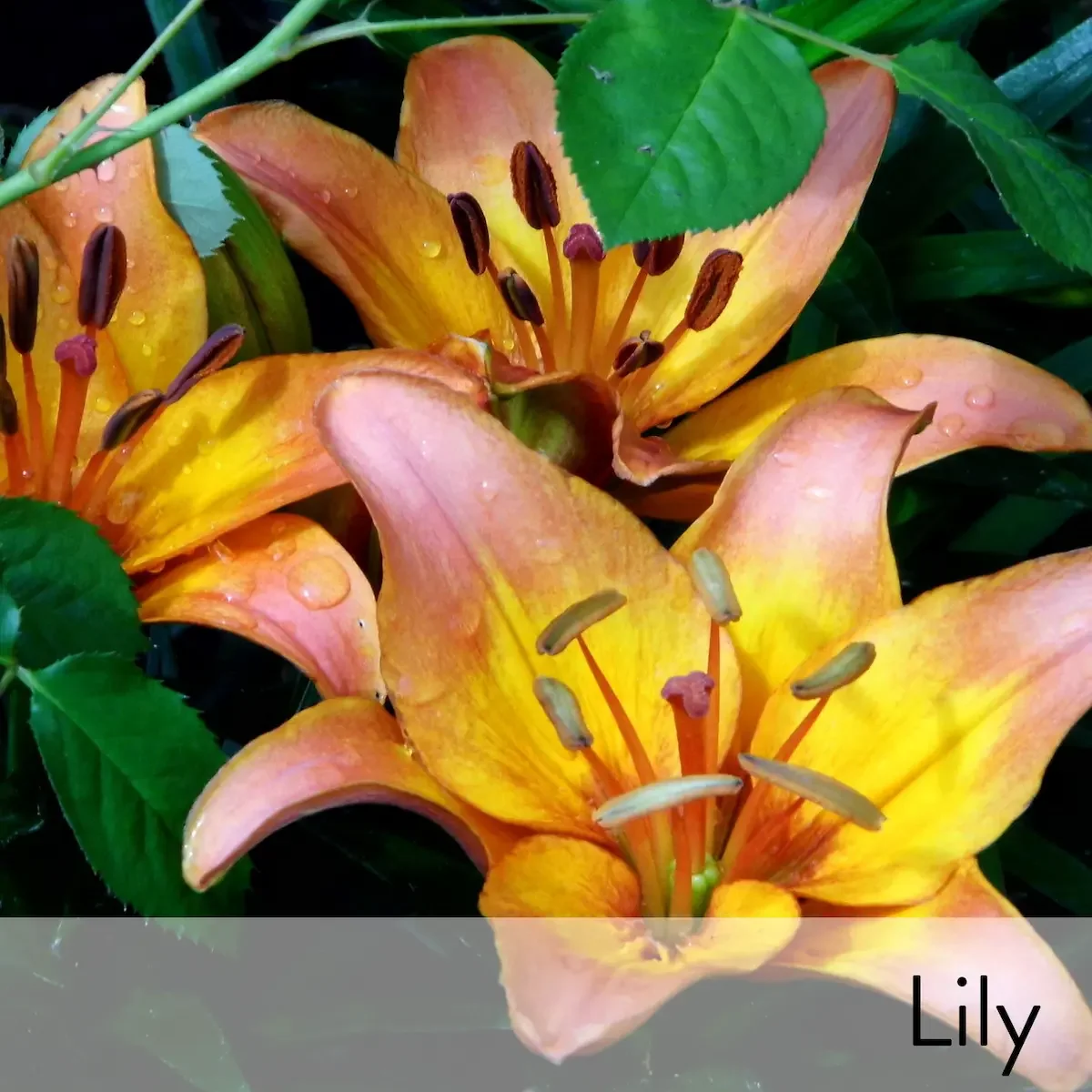
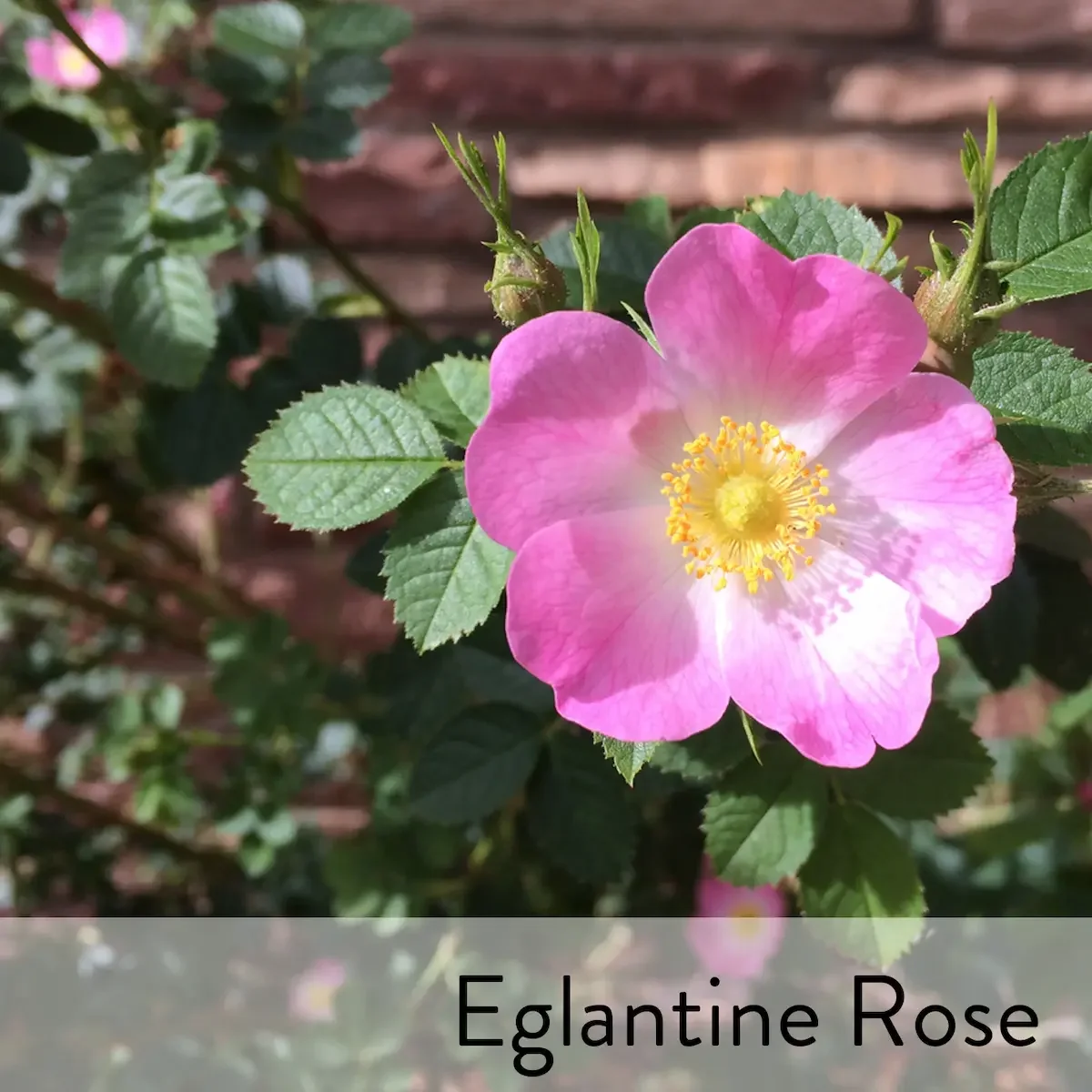
Meanwhile, back at court, there's deception and poison. The wicked Queen gathers herbs—not for healing, but for harm. But even her poisonous plot gets transformed: what should kill instead heals. Eglantine grows throughout, thorny and resilient, like Imogen herself. The lily marks her innocence; the oak marks the princes' strength.
By the end, when everyone's identity gets revealed and the family reunites, the plants have done their work: they've shown us that what lasts isn't spectacle or deceit—it's what grows slowly, rooted in the wild, tested by hardship.
The Story, Told in Plants
In Cymbeline, every character is a tree or a flower. The king is a cedar, lopped of his branches. The banished soldier is a fruit tree stripped bare by storm. Imogen — wronged by nearly everyone who claims to love her — is a lily, which Shakespeare's audience knew as the emblem of both purity and resurrection.
This video was created by members of the Colorado Shakespeare Gardens and narrated by longtime CSF actor Chuck Wilcox.
For more information on (CC) artwork in this video, click here.
Not every plant Shakespeare mentioned will grow in Colorado.
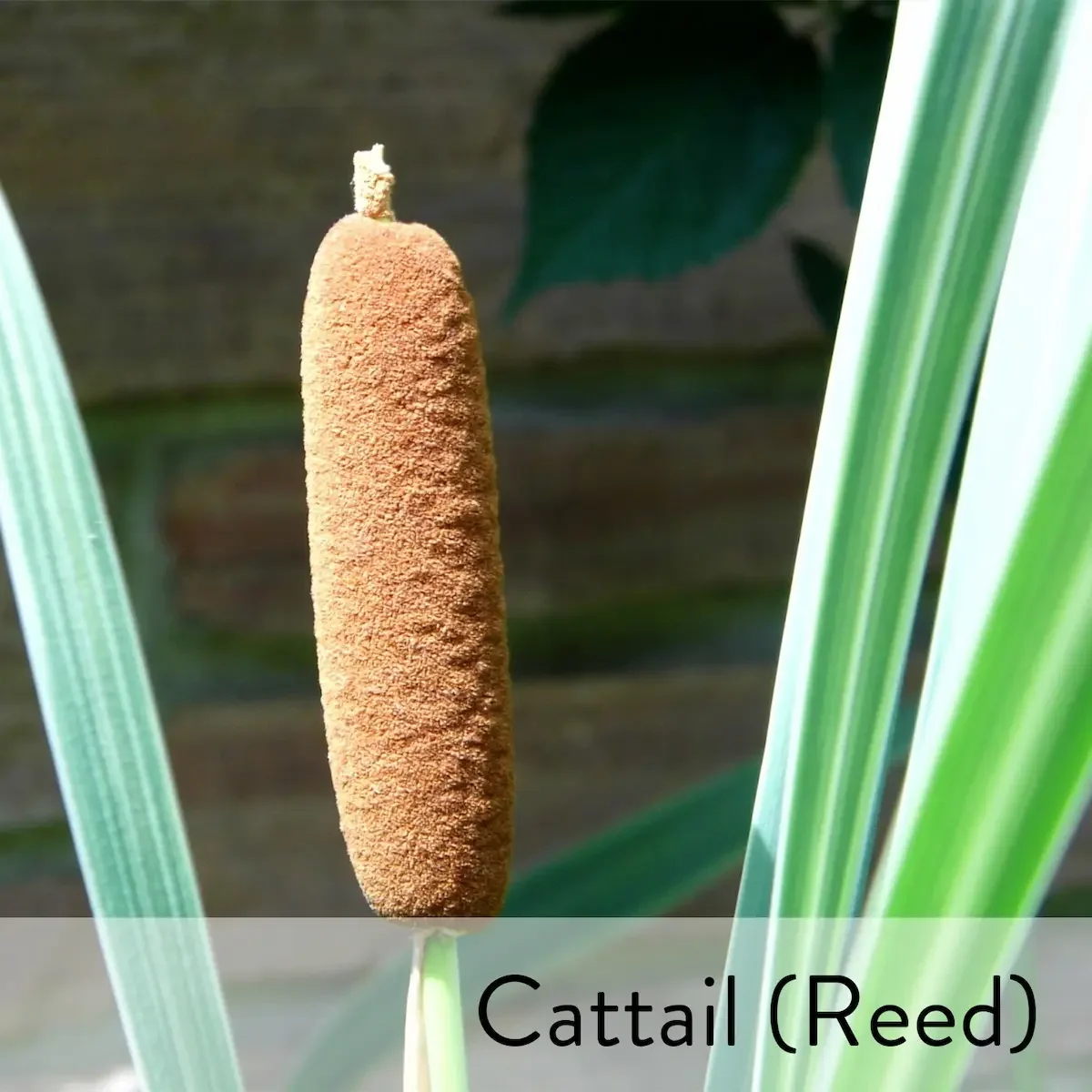
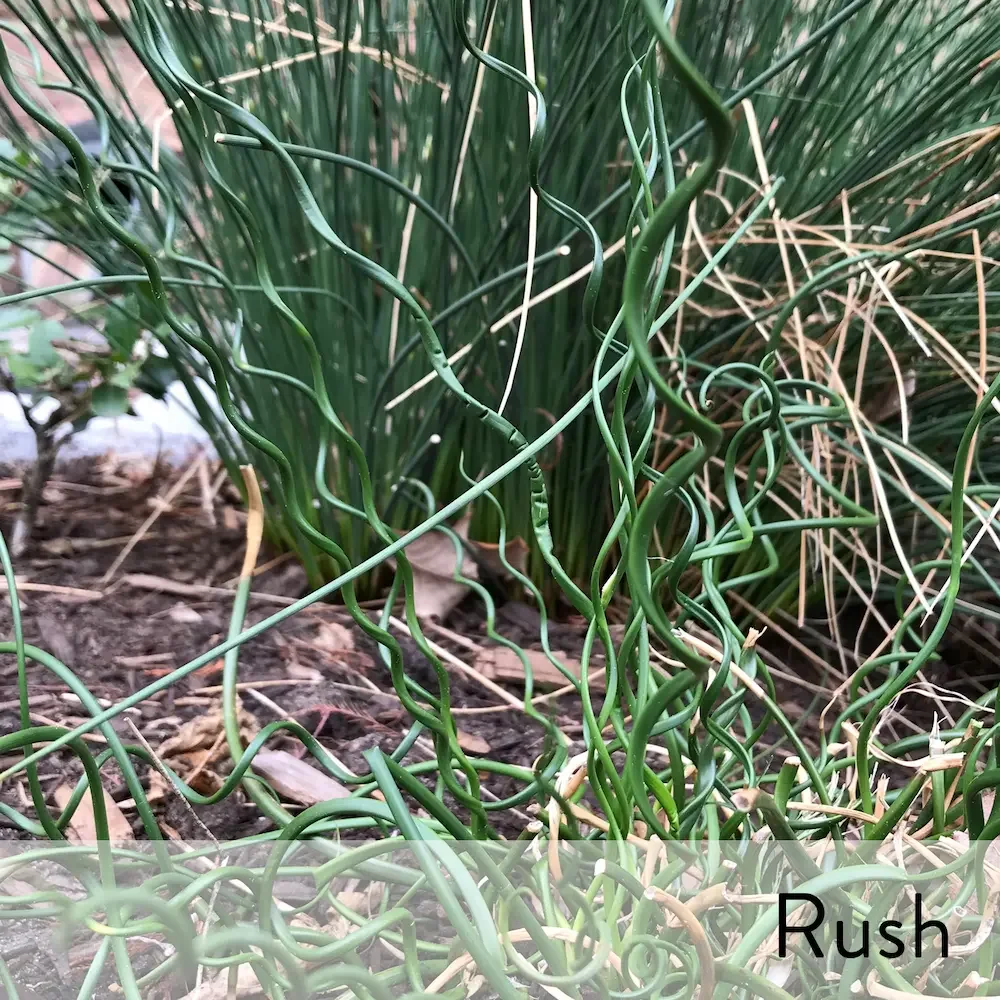
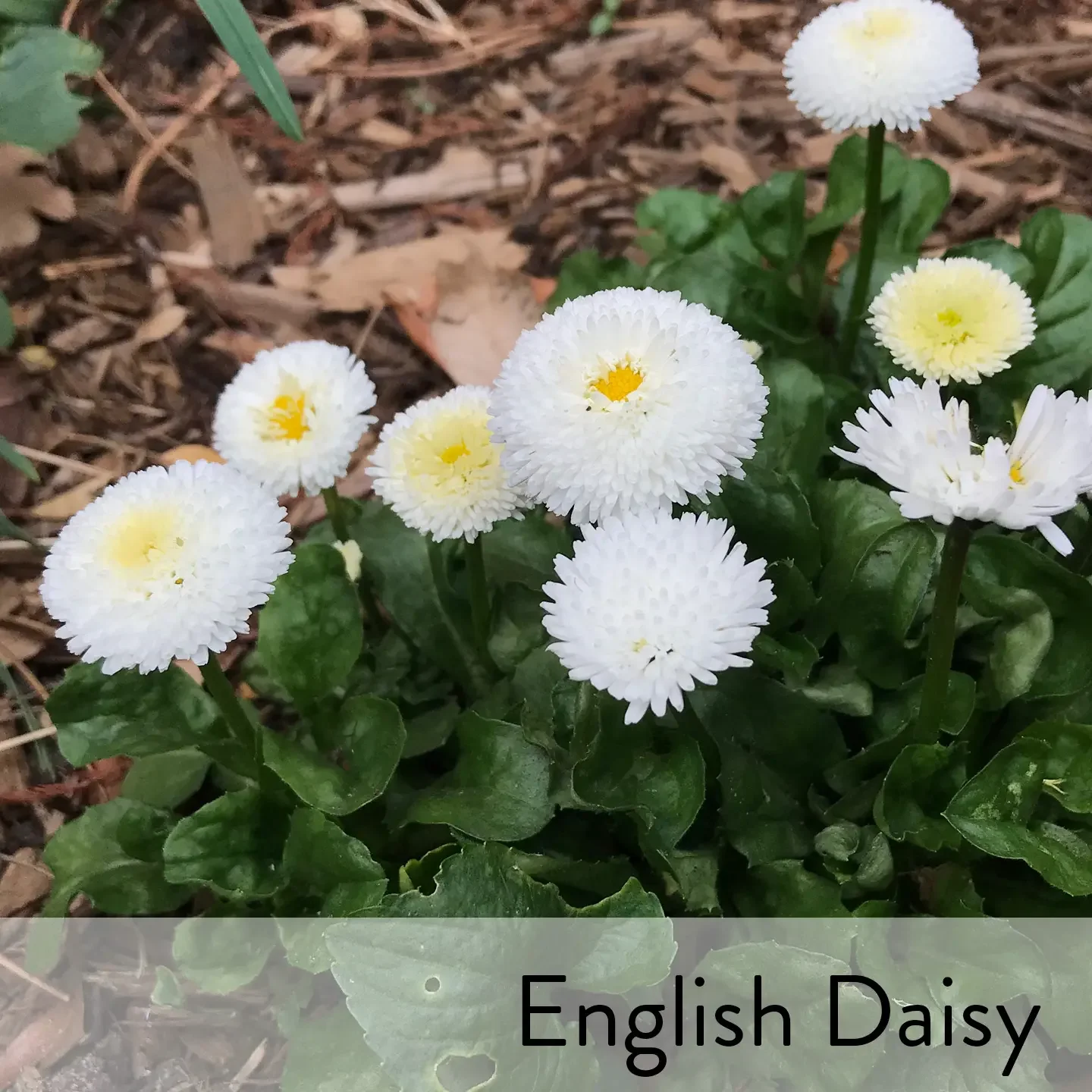
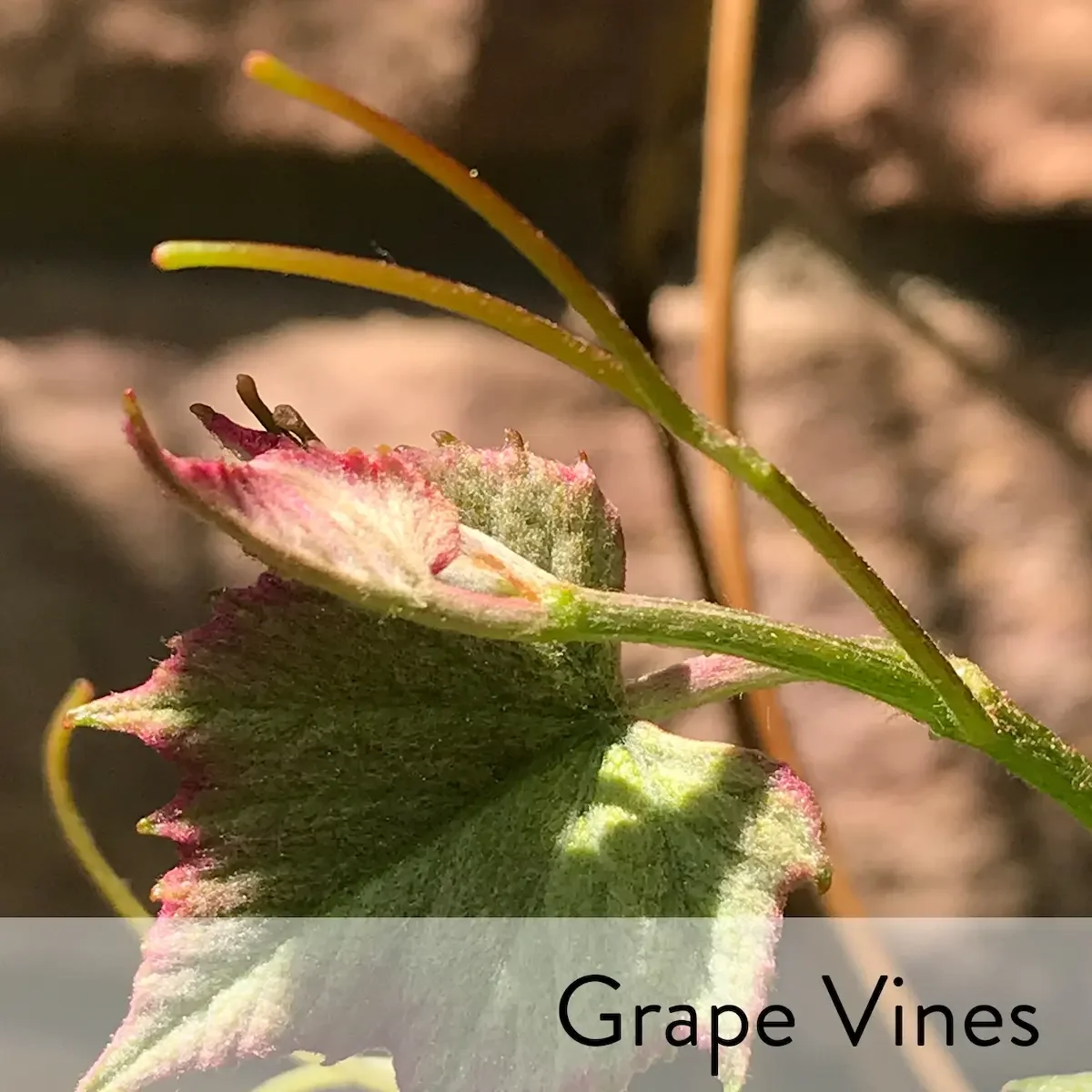
These are the ones that do; currently growing in our Cymbeline garden.
Curious about a specific plant? Visit our Plant Library for the full story.